
Following a widespread outbreak that saw an estimated one-third of the Cuban population infected with mosquito-borne viruses this year [[2]], Cuban health officials are reporting a positive trend in the nation’s epidemiological situation. Cases of both dengue and chikungunya,which have collectively impacted over 42,000 Cubans with at least 33 deaths reported as of December 2025 [[1]] and [[3]], are decreasing as the country prioritizes public health responses and scientific research. President Díaz-Canel recently met with health experts to review the latest data, signaling a focused effort to combat these ongoing public health challenges.
Cuban health officials are reporting a positive trend in the country’s ongoing epidemiological situation, with a decrease in fever syndromes and cases of both dengue and chikungunya. These developments come as the nation continues to prioritize public health responses, from primary care to scientific monitoring and protocol implementation, offering a glimmer of hope amid persistent challenges.
During a meeting on Tuesday, December 16, President Miguel Díaz-Canel Bermúdez convened with health experts and scientists to review the latest data. Dr. Carilda Peña García, Deputy Minister of Public Health, presented an update indicating improvements in the epidemiological landscape as of the end of the previous week (week 50 of the year).
According to the Ministry of Public Health, reported fever syndromes decreased by 21.1% compared to the prior seven-day period. Officials highlighted this decline as a sign of improving conditions over recent weeks.
While improvements are being seen nationally, seven provinces – Las Tunas, Guantánamo, Pinar del Río, Mayabeque, Ciego de Ávila, Havana, and Santiago de Cuba – continue to report dengue rates higher than the national average.
Chikungunya cases also saw a reduction, with a 12.3% decrease in reported cases and 13 fewer patients requiring intensive care compared to the previous week. This easing of the burden on intensive care units is a welcome sign for the country’s healthcare system.
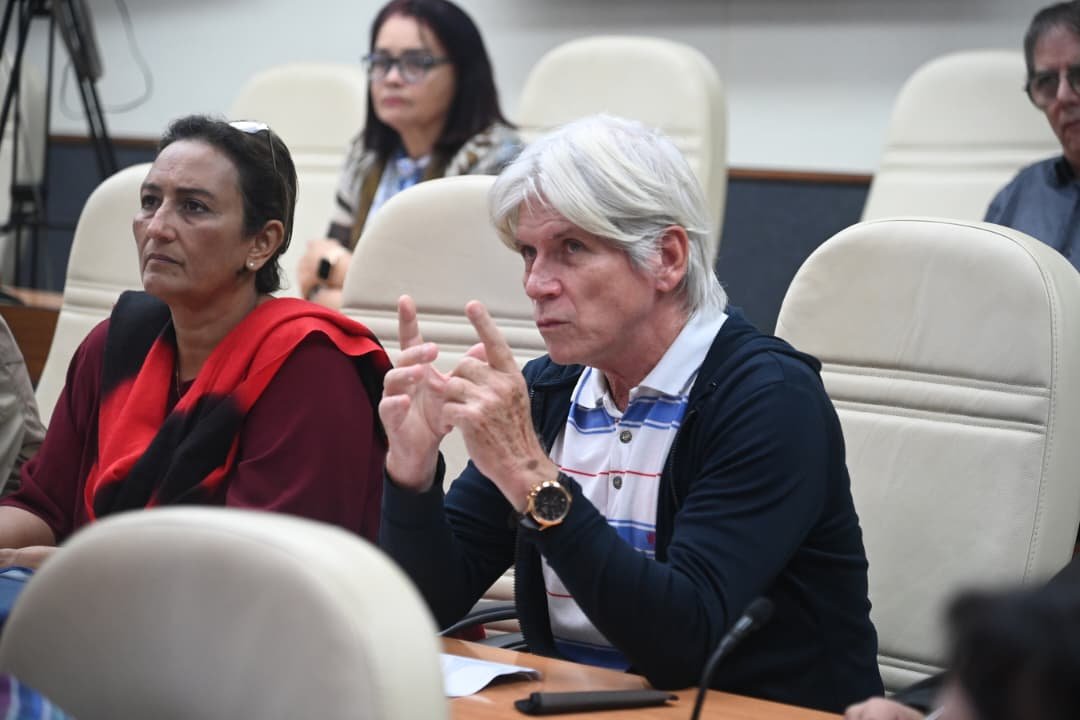
Mathematical models used to analyze the spread of arboviruses in Cuba align with the observed improvements, according to Dr. Raúl Guinovart Díaz, an expert in Mathematics and Director of Science and Technology at the University of Havana. However, he cautioned that transmission is still expected to continue in various regions of the country in the coming weeks.
Researchers are also actively investigating potential treatments for chikungunya. Two clinical trials are currently underway, evaluating the effectiveness of Jusvinza in patients diagnosed with the disease.
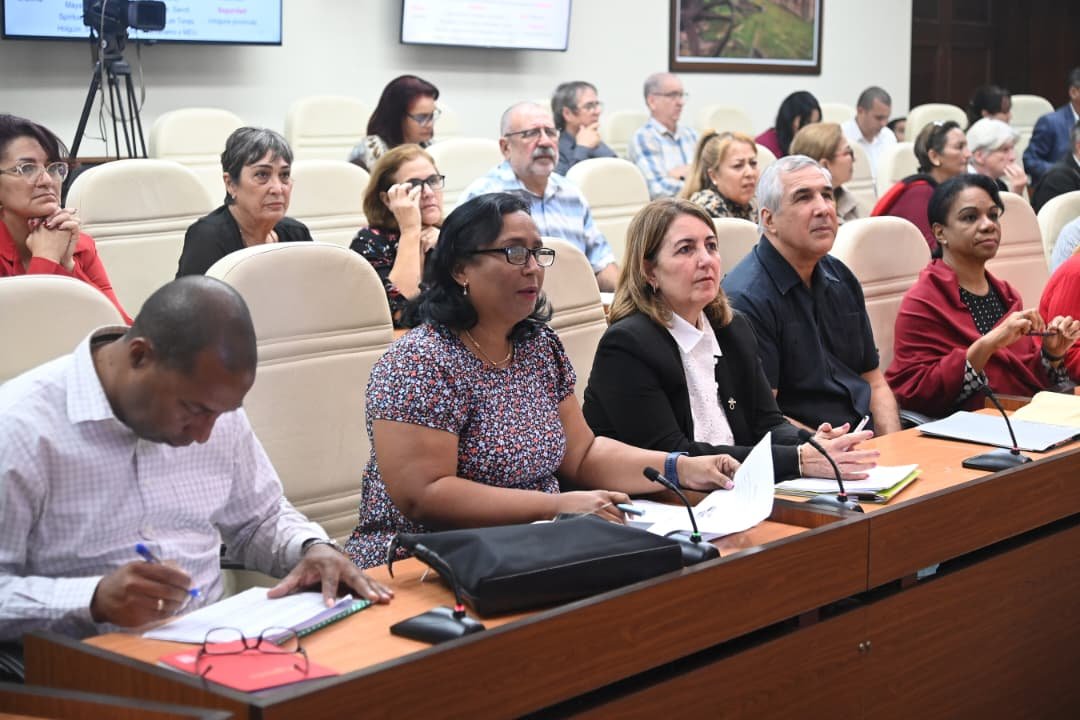
Dr. Julio Baldomero Hernández, Director of Clinical Research at the Genetic Engineering and Biotechnology Center (CIGB), explained that one trial, initiated on December 2, is being conducted at the “10 de Octubre” Clinical-Surgical Hospital in Havana. This study focuses on patients experiencing joint pain and aims to demonstrate the safety and therapeutic effect of subcutaneous Jusvinza administration in those with post-acute and chronic phases of the illness. Initial findings indicate good patient adherence and acceptability, with 174 patients currently enrolled.
The primary objectives of this trial are to assess the drug’s therapeutic effect and its long-term durability, preventing the progression to chronic chikungunya. A second study, involving 120 patients in the chronic stage of the disease, is being carried out at the “Faustino Pérez” Clinical-Surgical Hospital in Matanzas. Preliminary results also suggest a favorable safety profile, with clinical outcomes being evaluated over time.
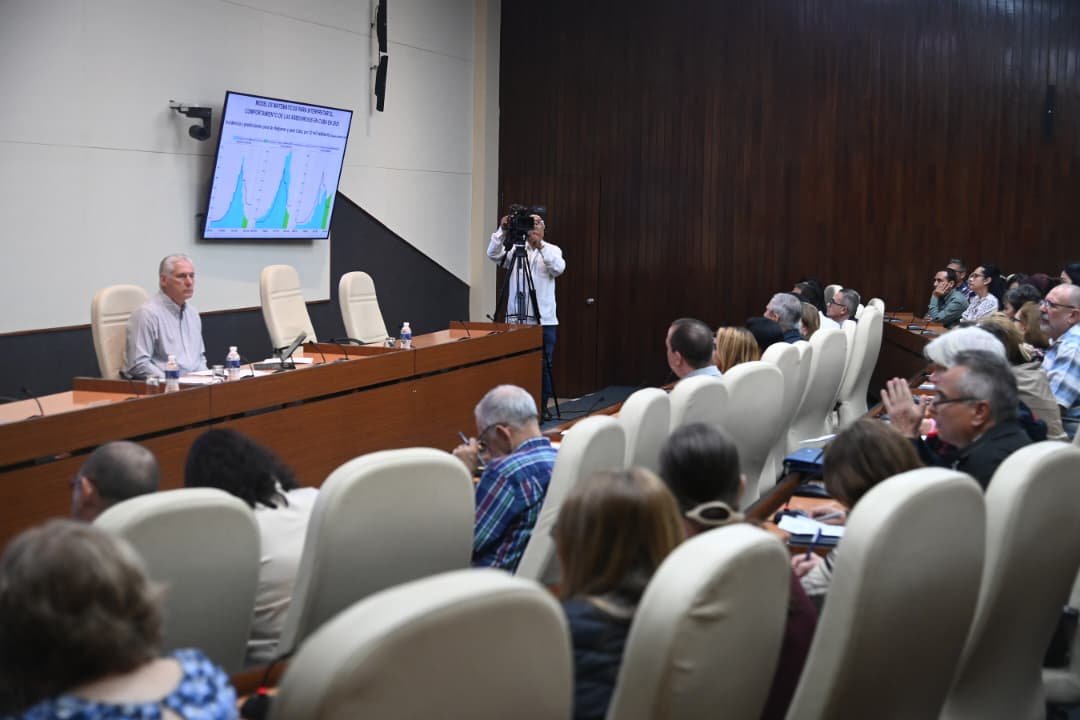
Researchers are leveraging existing scientific evidence demonstrating Jusvinza’s effectiveness in treating rheumatoid arthritis, as chikungunya often presents with similar arthritic symptoms, albeit of a post-viral origin. These clinical trials are designed to determine how Jusvinza can improve clinical symptoms in chikungunya patients.
