
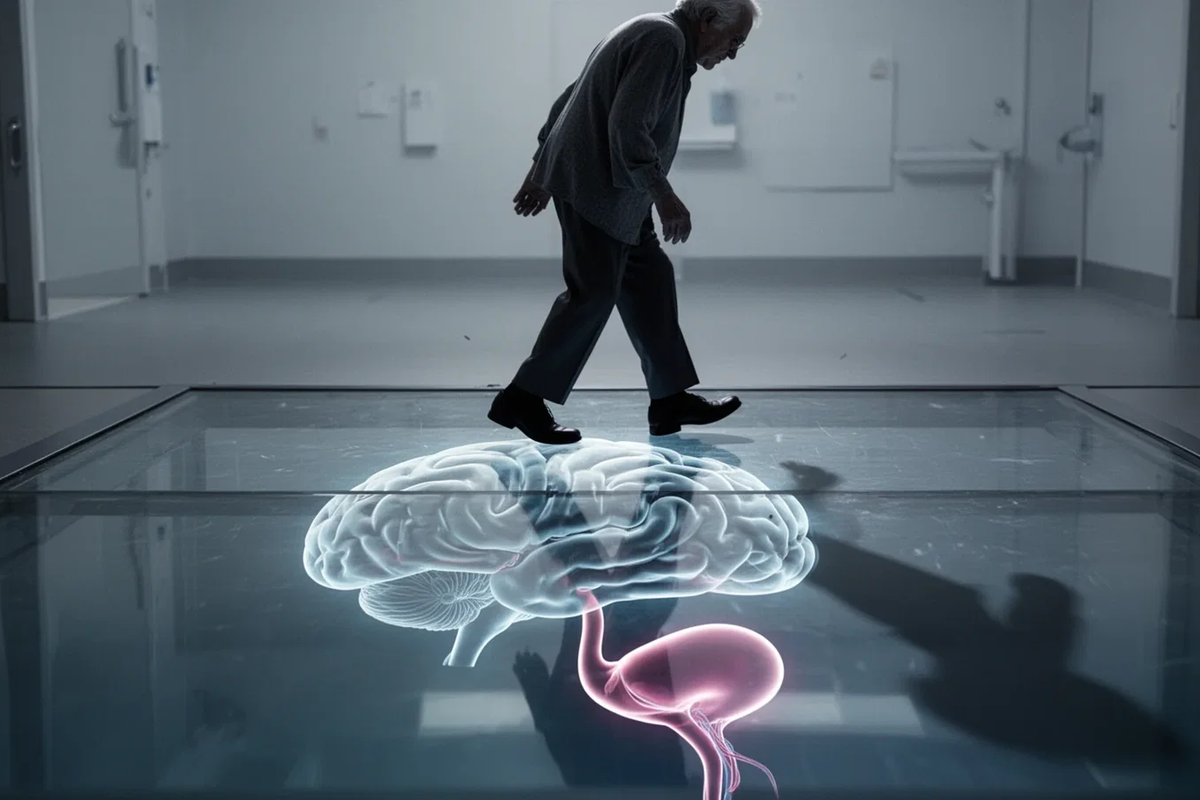
Novel research indicates that the sudden urge to urinate can significantly impair balance in older adults, effectively doubling their risk of falling. This discovery suggests that the physical act of rushing to a restroom is not the only danger; rather, the sensory signal itself acts as a critical cognitive distraction.
The Cognitive Cost of an Overactive Bladder
According to clinical gait analyses conducted by researchers at the University of Alberta, an overactive bladder creates a substantial mental burden that interferes with physical stability. The study found that when seniors experience a sudden urge to urinate, their walking patterns change noticeably—they start to walk more slowly and take narrower steps.
These alterations in gait are nearly identical to the patterns observed when individuals attempt to solve complex mental tasks while walking. This suggests that the brain treats the urgent demand to urinate as a competing priority, diverting essential resources away from motor control.
Understanding “Dual-Task Interference”
The mechanism behind this increased risk lies in how the brain manages balance as it ages. For younger individuals, walking is largely an automatic process. However, for older adults, age-related changes in the brain often mean that maintaining balance requires a more conscious cognitive effort.
When an intense, sudden urge to urinate occurs, it competes for the same limited cognitive resources required to keep the body stable. This phenomenon, referred to as “dual-task interference,” increases instability. Crucially, this risk persists regardless of whether the individual is actually rushing to the toilet or moving at a normal pace.
A Paradigm Shift in Geriatric Care
These findings represent a significant shift in how medical professionals view fall prevention in the elderly. Rather than attributing falls simply to the haste of a bathroom trip, the research highlights a complex interplay between bladder signaling and the brain’s balance control systems.

Recognizing this link is vital for public health, as it allows caregivers and physicians to address overactive bladder as a direct contributor to fall risk, potentially leading to safer therapeutic interventions and improved patient safety.
Addressing Additional Risk Factors
While bladder signals are a major factor, the risk of falls is often compounded by other medical issues. Dizziness and the side effects of certain medications remain high-risk factors for senior safety.
To support manage these risks, the Priscus list provides guidance on more than 180 medications that can cause confusion or increase the likelihood of falls in older patients, helping clinicians identify safer alternatives to maintain patient stability and cognitive health.
