
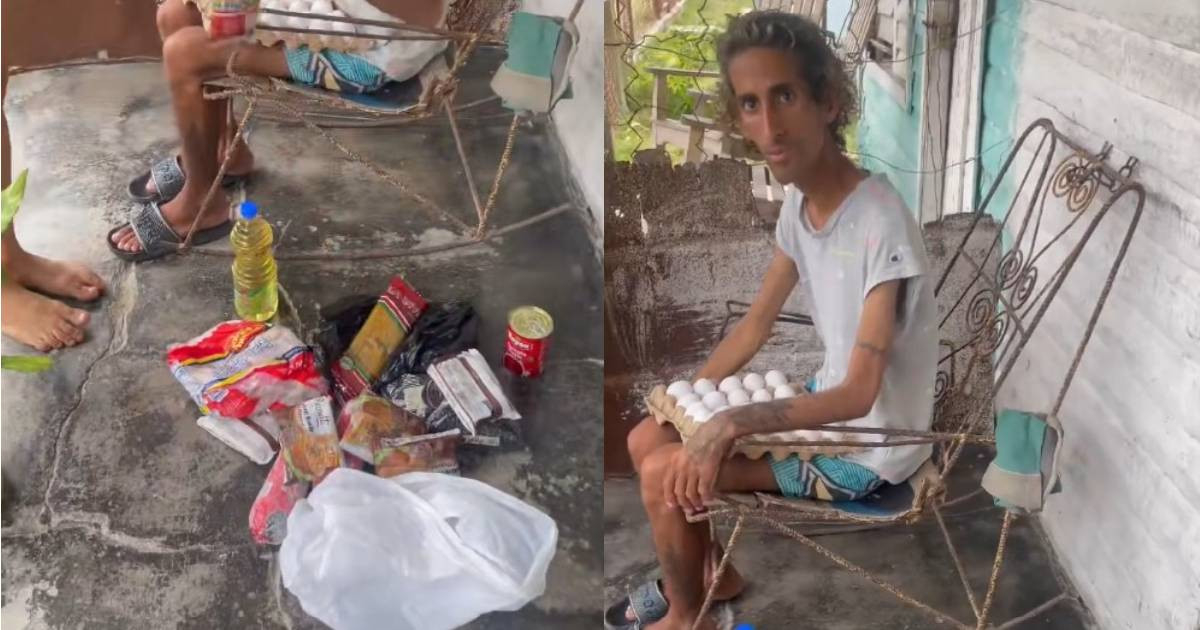
Julito, a young man living with HIV who recently returned home after hospitalization, found his house empty upon his arrival, according to reports from CiberCuba. Friends and members of the Cuban diaspora have since mobilized to send him essential support, including food, medicine, and personal care items, to help him recover in stable conditions.
The situation drew attention after Julito shared his experience publicly, highlighting the challenges faced by people living with HIV in accessing consistent care and social support, particularly following medical discharge. His case underscores the importance of community networks in bridging gaps in healthcare access, especially for vulnerable populations managing chronic conditions.
Those assisting Julito have emphasized that the aid being sent is intended to ensure he has access to antiretroviral treatment, nutritious food, and basic hygiene supplies — all critical components for maintaining health and preventing complications in individuals living with HIV.
While specific medical details about Julito’s condition or treatment regimen have not been disclosed, his story reflects broader concerns about continuity of care and socioeconomic barriers that can affect health outcomes for people with HIV, both in Cuba and globally.
Health experts note that stable housing, access to medication, and social support are key factors in achieving viral suppression and improving quality of life for people living with HIV. Disruptions in any of these areas can increase the risk of treatment interruption and related health complications.
The outpouring of assistance from Cubans both on the island and abroad illustrates how community-driven efforts can play a vital role in supporting individuals navigating health crises, particularly when formal systems fall short.
