
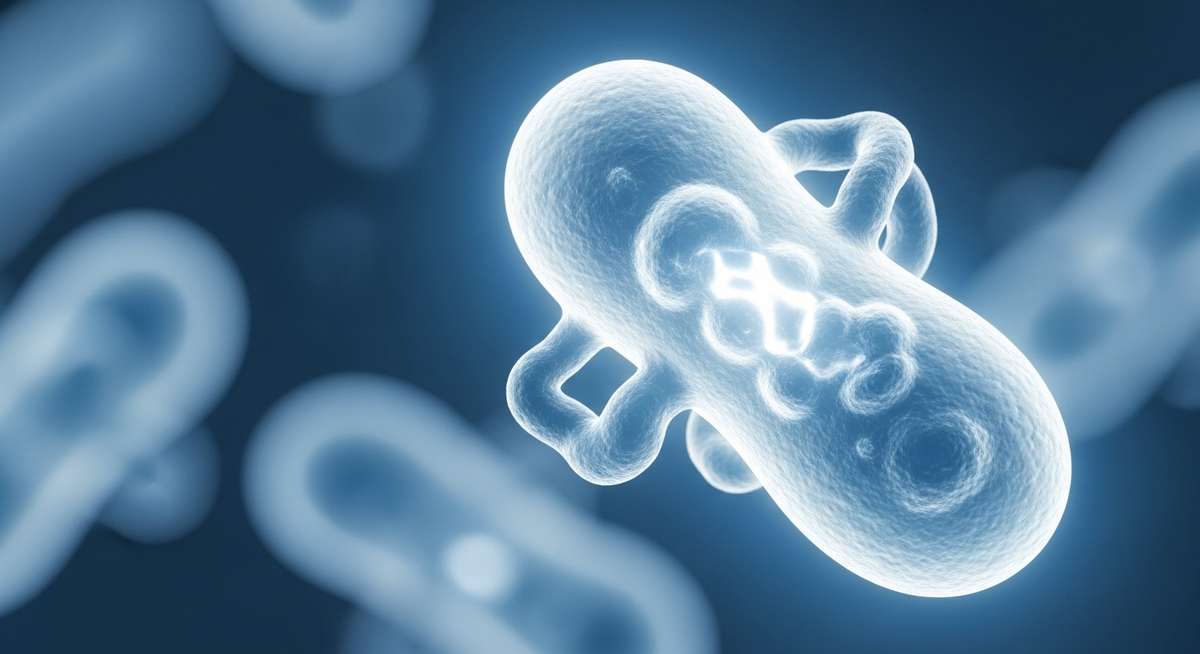
Antibiotic resistance is spreading globally at an alarming rate, with the World Health Organization warning that deaths linked to drug-resistant infections could surpass cancer fatalities by 2050 if current trends continue.
The warning comes as health officials report increasing cases of infections that no longer respond to standard antibiotic treatments, raising concerns about the future effectiveness of modern medicine. Common procedures such as surgeries, cancer chemotherapy, and organ transplants could become significantly riskier without reliable antibiotics to prevent and treat infections.
Experts emphasize that the overuse and misuse of antibiotics in both human healthcare and agriculture are major drivers of this growing crisis. When antibiotics are used unnecessarily or incorrectly, bacteria can evolve to survive exposure, rendering the drugs ineffective over time.
According to the WHO, urgent action is needed to preserve the effectiveness of existing antibiotics through better stewardship, infection prevention, and investment in novel treatments. Without coordinated global efforts, the world risks entering a post-antibiotic era where even minor infections could become life-threatening.
The projection that antibiotic-resistant infections could cause more deaths than cancer by mid-century underscores the severity of the threat. Public health leaders say addressing this challenge requires coordinated action across healthcare systems, policymakers, and the public to ensure antibiotics remain effective for future generations.
