
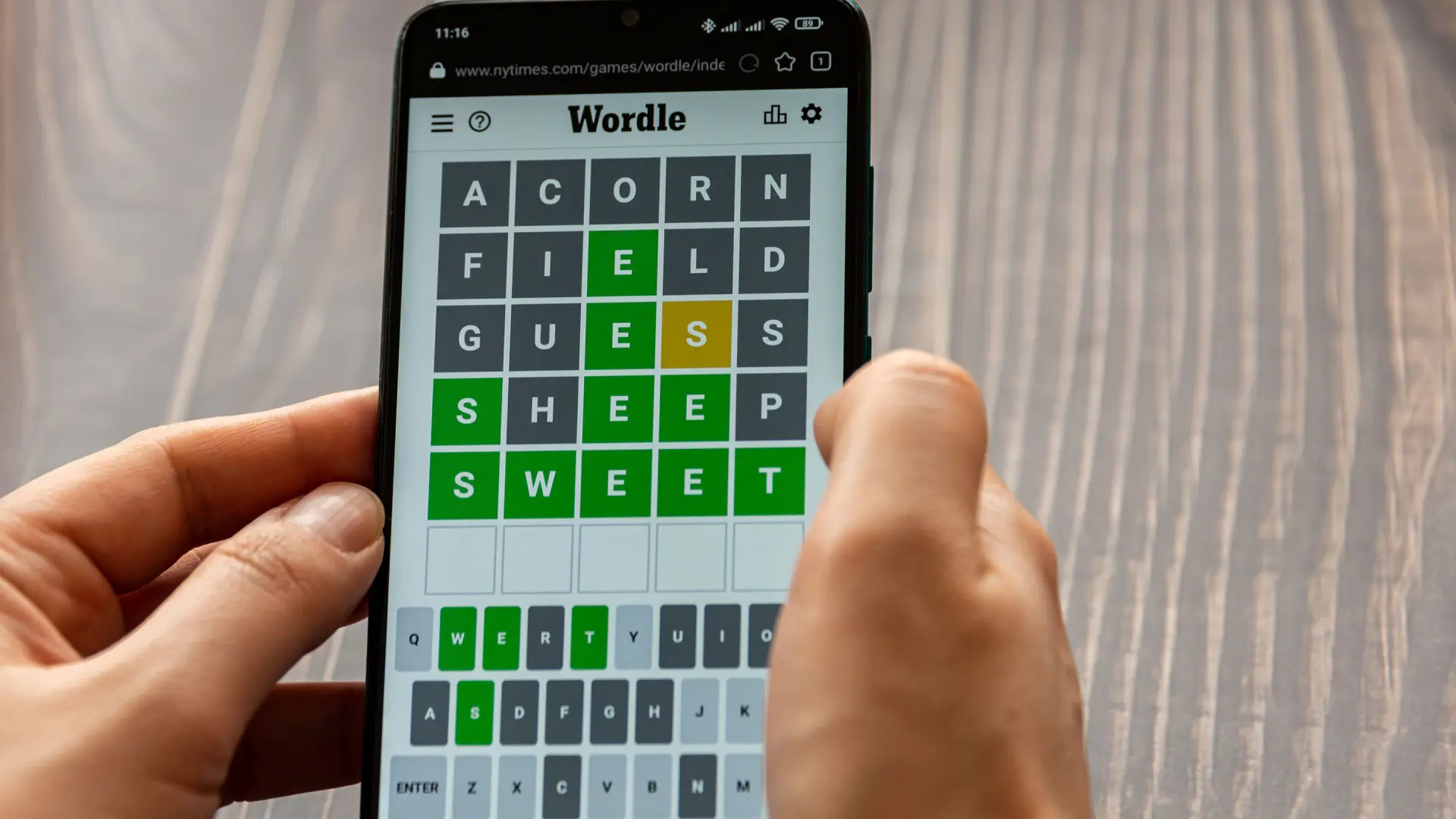
For millions of word-game enthusiasts worldwide, the daily ritual of solving Wordle has become a staple of digital entertainment. But as the game’s popularity continues to soar, its Spanish-language variant—complete with accent marks and regional vocabulary—has introduced a fresh layer of challenge for players. Today, April 27, 2026, the latest puzzle in *Wordle en español* and its *tildes* (accented letters) edition is making waves, offering a twist that tests even the most seasoned linguists.
The Day’s Challenge: A Spanish Wordle with a Linguistic Twist
Unlike the English version of Wordle, which sticks to a straightforward five-letter format, the Spanish adaptation introduces two key variations: *Wordle en español* and *Wordle con tildes*. The latter requires players to account for accented vowels—a feature that can dramatically alter a word’s meaning. For example, “papá” (dad) and “papa” (potato) differ by just one accent, yet the distinction is critical for solving the puzzle correctly.
Today’s hidden word, as revealed by multiple Spanish gaming outlets, is “césar”—a term that refers to both the Roman title for emperor and a type of lettuce. The inclusion of the accent over the “é” adds an extra layer of complexity, forcing players to consider not just letter placement but also diacritical marks. This linguistic nuance reflects the growing demand for culturally adapted digital games that cater to non-English-speaking audiences.
How the Game Works: Rules and Strategies
For those unfamiliar with the mechanics, Wordle’s Spanish editions follow the same core rules as the original. Players have six attempts to guess a five-letter word, receiving color-coded feedback after each try:
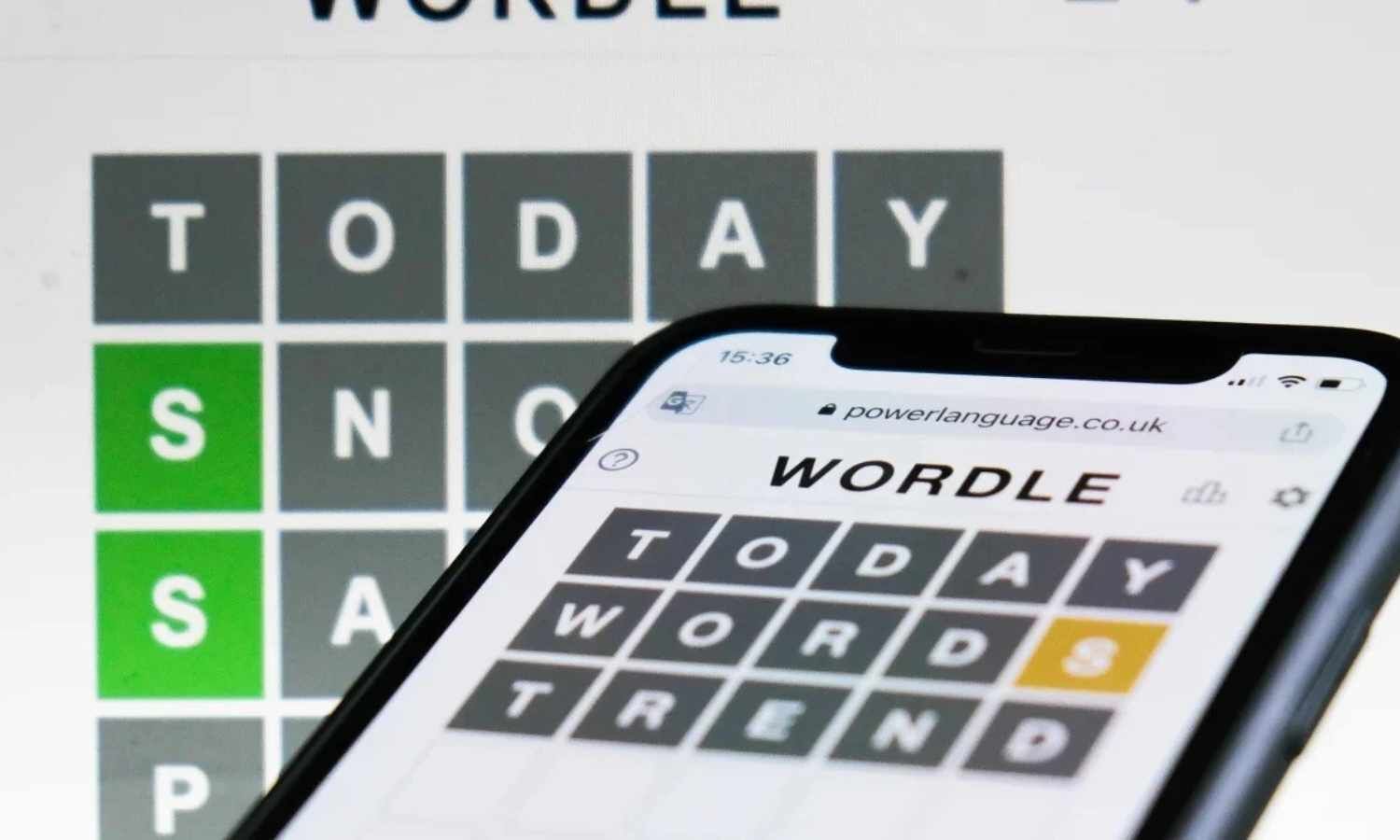
- 🟩 Green: The letter is correct and in the right position.
- 🟨 Yellow: The letter is in the word but misplaced.
- ⬜ Gray: The letter does not appear in the word at all.
The *tildes* version, however, adds an extra rule: accented letters must be guessed along with their diacritical marks. In other words players can’t simply input “cesar” and expect it to count—it must be “césar” to win. The adjustment has sparked discussions about the role of language preservation in digital gaming, particularly as developers seek to create more inclusive experiences for global audiences.
Clues and Community Engagement
For players struggling with today’s puzzle, Spanish gaming sites like *Hobby Consolas* and *Diario AS* have provided subtle hints to nudge solvers in the right direction. One clue suggested focusing on words with a “soft ‘c’ sound,” even as another hinted at a term with historical significance. Such community-driven support highlights how Wordle has evolved beyond a solitary game into a shared cultural phenomenon, where players exchange strategies and celebrate victories together.
In addition to the standard and *tildes* versions, some platforms offer *Wordrow*—a variant that challenges players to guess a word based on its semantic connections rather than letter placement. While today’s *Wordrow* puzzle for April 26, 2026, has already been solved, it underscores the game’s versatility and the creative ways developers are expanding its appeal.
Why Wordle’s Global Adaptations Matter
Wordle’s expansion into Spanish and other languages isn’t just a testament to its viral success—it’s a sign of how digital entertainment is becoming more accessible and culturally relevant. By incorporating regional linguistic features like accent marks, the game acknowledges the diversity of its player base and sets a precedent for other developers to follow. For tech enthusiasts, this shift raises intriguing questions about the future of AI-driven language tools and whether similar adaptations could emerge for languages with even more complex scripts, such as Arabic or Mandarin.

As of now, the daily Wordle puzzle remains a simple yet addictive pastime, but its global iterations are proving that even the most straightforward games can evolve to reflect the richness of human language. Whether you’re a casual player or a competitive solver, today’s *Wordle en español* offers a reminder that words—and the way we play with them—are anything but static.
For those eager to test their skills, the latest puzzle is available now on platforms like Wordle Daily, with latest challenges rolling out every 24 hours. Happy guessing!
