
Innovative Equestrian Center Designs Prioritize Horse Well-being
Architects are increasingly focusing on the specific needs of horses when designing stables, moving beyond traditional layouts to prioritize animal comfort and operational efficiency. Today, November 5, 2025, a growing body of work demonstrates a shift towards designs that consider equine psychology and physiology alongside the practical requirements of caretakers.
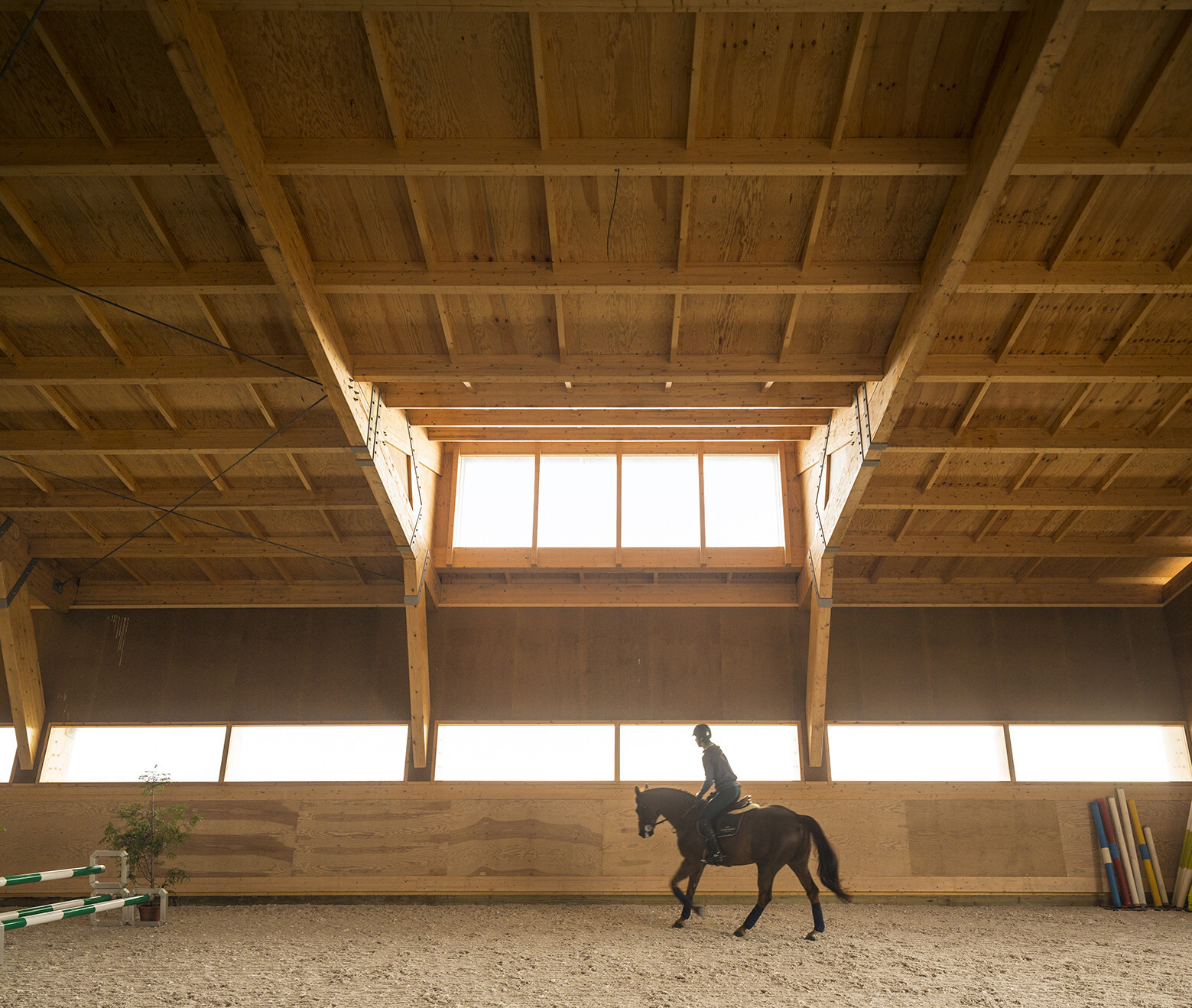
These new designs are characterized by three core principles: equine comfort and well-being, contextual materiality, and operational efficiency. Layouts emphasize clear zoning, separating living areas (stalls) from service spaces (tack rooms, wash areas) and training facilities (arenas, walkers). Recognizing horses as social animals, architects are strategically positioning stables to maximize sightlines between animals and to the outdoors, often utilizing open-frame systems. Careful attention is also paid to lighting, employing diffuse materials to minimize stress-inducing shadows within arenas.
Material choices favor natural, durable options that integrate with rural landscapes and offer passive environmental control. Exposed timber, concrete, and masonry are common, providing longevity and visual honesty. Building forms are often fragmented into smaller units or unified under a single, expressive roofline designed to optimize air exchange and sunlight for hygiene. This focus on thoughtful design can lead to improved animal health and reduced stress levels. For more on innovative architectural trends, explore resources from the American Institute of Architects.
The principles guiding these designs are not merely aesthetic; they reflect a deeper understanding of equine needs, as detailed in recent studies on animal behavior and welfare. This approach represents a growing trend in specialized architecture, as highlighted in discussions about sustainable farm design.
Officials state that further research and collaboration between architects and equine specialists will continue to refine these designs and improve the lives of horses in managed environments.
