
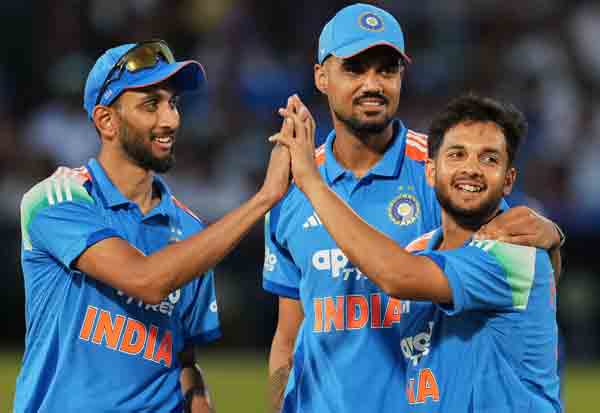
India secured a dominant victory against Afghanistan in a weather-shortened one-day international cricket match held in Dharamsala on June 13, 2026. The match, reduced to 25 overs due to rain, saw the Indian side chase down a target of 195 runs, marking a successful start to the series.
A Rain-Shortened Contest in Dharamsala
The encounter between India and Afghanistan faced significant scheduling adjustments due to inclement weather. According to DinaMani, the match was limited to 25 overs after rain interrupted the proceedings. Despite the reduced timeframe, the intensity remained high as the Indian team, led by captain Shubman Gill, opted to field first after winning the toss. In modern cricket, the Duckworth-Lewis-Stern (DLS) method is typically applied to adjust targets in rain-affected limited-overs matches, ensuring that the team batting second has a mathematically fair objective based on the overs lost and wickets remaining. Dharamsala, known for its picturesque HPCA Stadium, often presents unique challenges for players due to its high altitude and unpredictable mountain weather patterns, which frequently influence toss decisions.
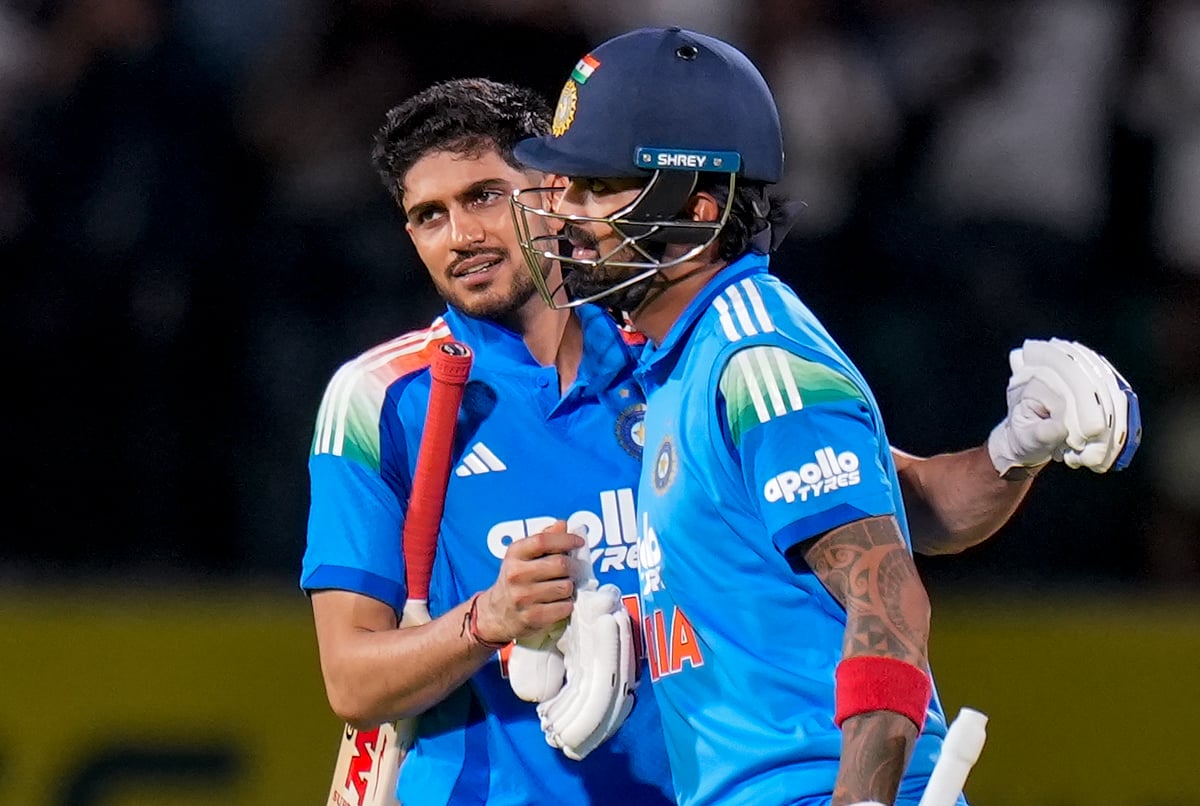
The decision to bowl paid immediate dividends. The Afghan batting lineup struggled to find rhythm against the Indian pace attack. As reported by Dinamalar, the Afghan team faced an early collapse, losing Ibrahim Zadran for 1 run to the bowling of Gurnoor Brar. Arshdeep Singh further dismantled the top order, dismissing Sediqullah Atal for a duck and Rahmat Shah for 3 runs.
Afghan Resilience and Indian Debutants
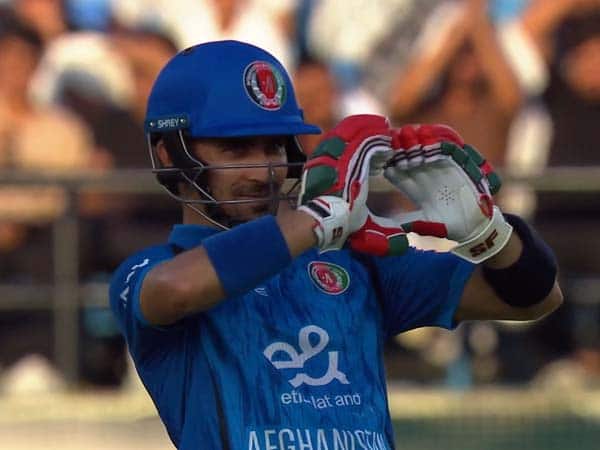
While the top order faltered, Rahmanullah Gurbaz offered a spirited resistance. Gurbaz reached a century in just 48 balls, anchoring the Afghan innings before being dismissed for 102 runs off 51 balls. His knock included 8 sixes and 8 fours, providing the bulk of the scoring before he fell to Nitish Kumar Reddy. Gurbaz’s aggressive approach is characteristic of the modern T20-influenced style of ODI batting, where top-order players look to maximize powerplay restrictions despite early loss of wickets.
Ultimately, Afghanistan concluded their innings at 195 all out in 24.5 overs, with Hashmatullah Shahidi contributing 27 and Azmatullah Omarzai adding 26. Dinamalar noted that the Indian bowling unit was spearheaded by Harsh Dubey and Gurnoor Brar, who each claimed three wickets, while Arshdeep Singh and Nitish Kumar Reddy took two wickets apiece. The ability of the Indian bowling attack to maintain pressure despite the explosive scoring from Gurbaz highlights the depth currently available in the Indian domestic circuit.
This match served as a significant milestone for two young Indian prospects. As highlighted by Daily Thanthi, Harsh Dubey and Gurnoor Brar made their international debuts for the squad, marking a notable transition in the team’s composition. For players transitioning from domestic cricket to the international stage, such debuts are high-pressure environments where selectors evaluate performance against established international opponents to determine long-term roster viability. The Indian team, which frequently rotates its squad across formats to manage player workload, views these series as critical opportunities to integrate emerging talent into the senior setup.
Historical Context and Career Milestones
The match drew attention not only for its immediate result but also for the broader context of longevity in the sport. Puthiyathalaimurai noted that the record for the oldest player to compete in an ODI remains held by Nolan Clarke of the Netherlands, who played against South Africa in 1996 at the age of 47 years and 257 days. Comparing the rapid rise of young debutants like Brar and Dubey against the historical benchmarks of longevity underscores the physical and mental demands of professional cricket.
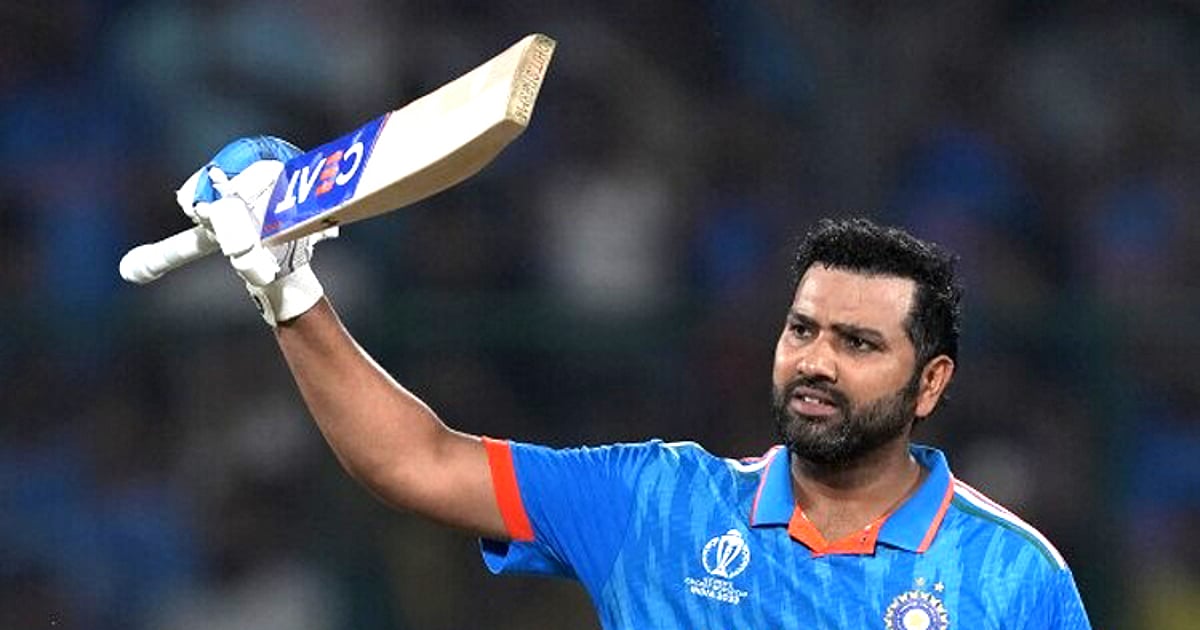
The current series continues to draw focus on individual milestones, with discussions surrounding players like Rohit Sharma, who has accumulated over 11,000 runs in one-day internationals and 20,000 runs in international cricket overall. Statistics in cricket are often used to measure a player’s consistency over a decade-long career, and milestones like the 10,000-run mark are widely regarded as the threshold for elite, world-class standing in the ODI format. As the team moves forward, the integration of new talent like Brar and Dubey—alongside established stars—remains a focal point for the Indian cricket setup. With the next fixtures on the horizon, the team management will likely continue to evaluate the balance between rewarding form in domestic tournaments and maintaining the experience levels required to compete at the highest levels of the ICC rankings.
Find more reporting in our Sport section.
