
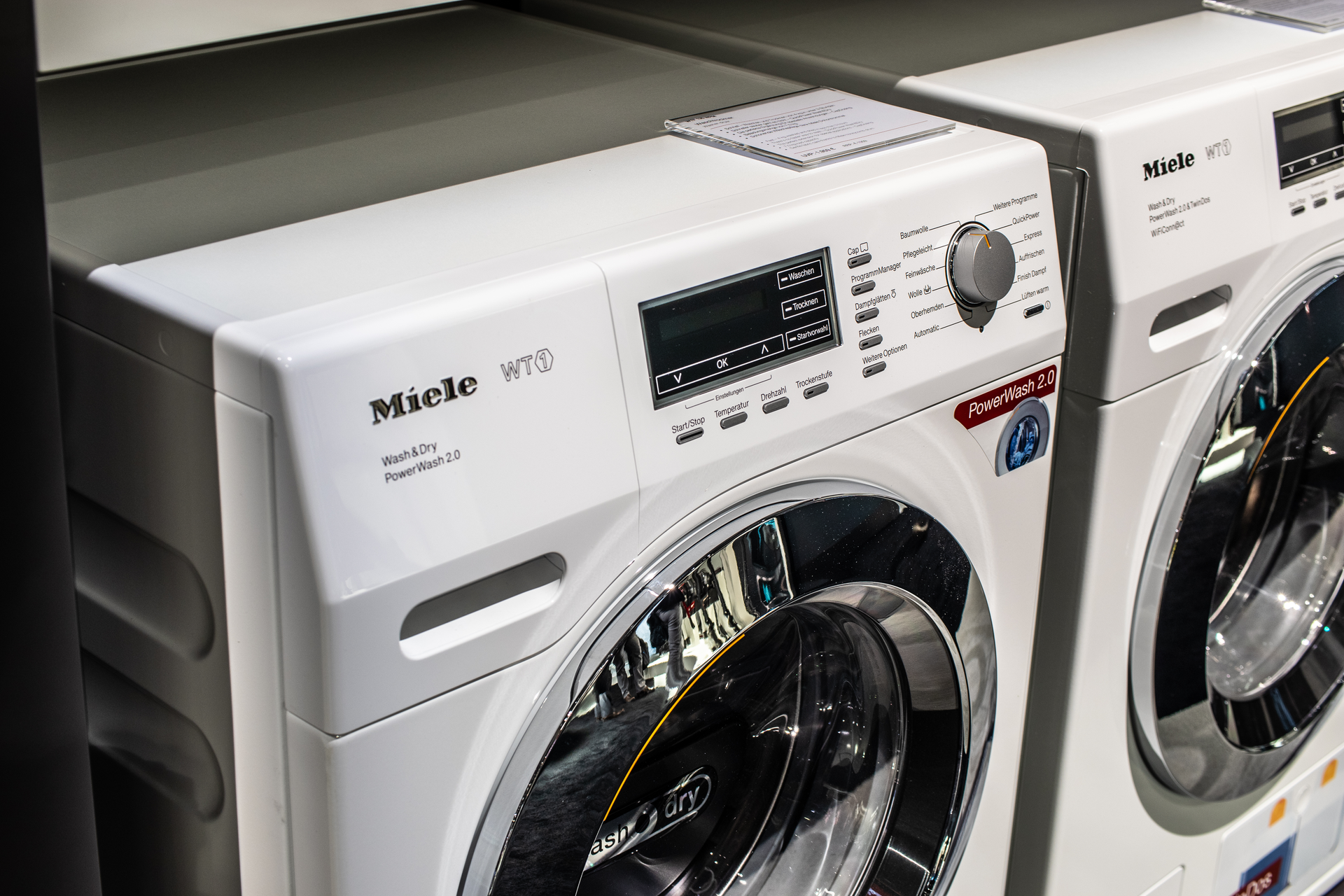
While the initial investment for a Miele washing machine can be daunting—often reaching 40,000 CZK—the brand’s engineering philosophy centers on a stark contrast to the modern culture of planned obsolescence. This pricing strategy has sparked a significant debate among consumers regarding whether the premium cost is justified by the machine’s long-term lifecycle.
Engineering for Longevity: The 20-Year Standard
At the core of Miele’s market positioning is a commitment to extreme durability. The company states that its appliances are rigorously tested to ensure a lifespan of 20 years, a claim that positions the brand as a sustainable alternative to “disposable” white goods. This approach signals a broader shift toward sustainable engineering, where the goal is to reduce electronic waste by creating products that do not require frequent replacement.
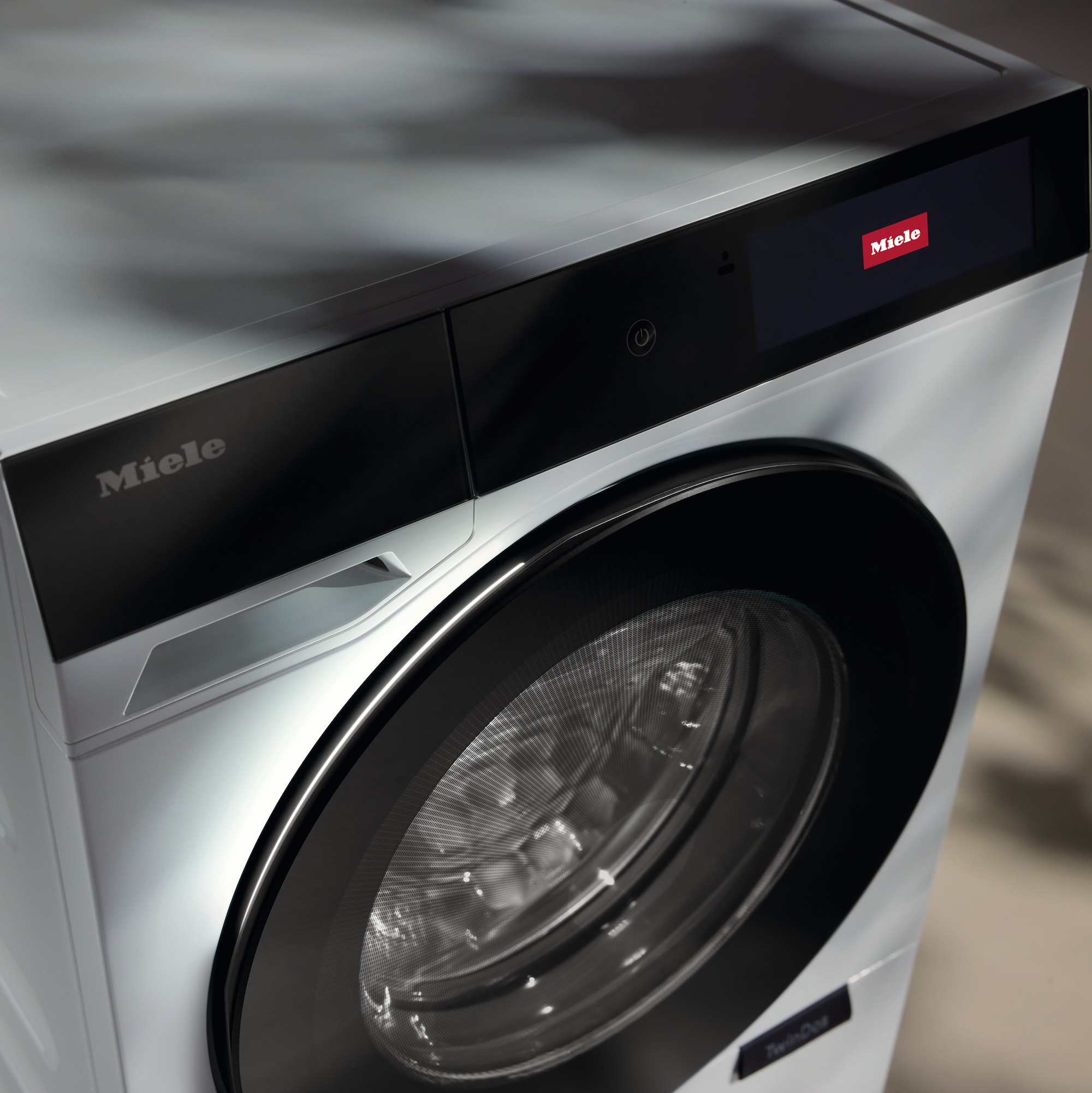
The price disparity between Miele and its competitors is largely attributed to the materials used in construction. While many budget-friendly models rely on plastic components or concrete counterweights to stabilize the drum, Miele utilizes high-grade steel and cast iron weights. These material choices significantly enhance the machine’s stability and resistance to wear and tear over decades of use.
“Češi na pračky za 40 tisíc kejvou hlavou, div si ji nevykejvou”
The Value Proposition: Upfront Cost vs. Total Cost of Ownership
The ongoing consumer discussion highlights a fundamental divide in purchasing logic: the choice between a lower entry price and a lower total cost of ownership over time. Critics of the high price point argue that the initial outlay is excessive, while proponents suggest that buying a single high-end machine is more economical than replacing several cheaper models over a twenty-year period.
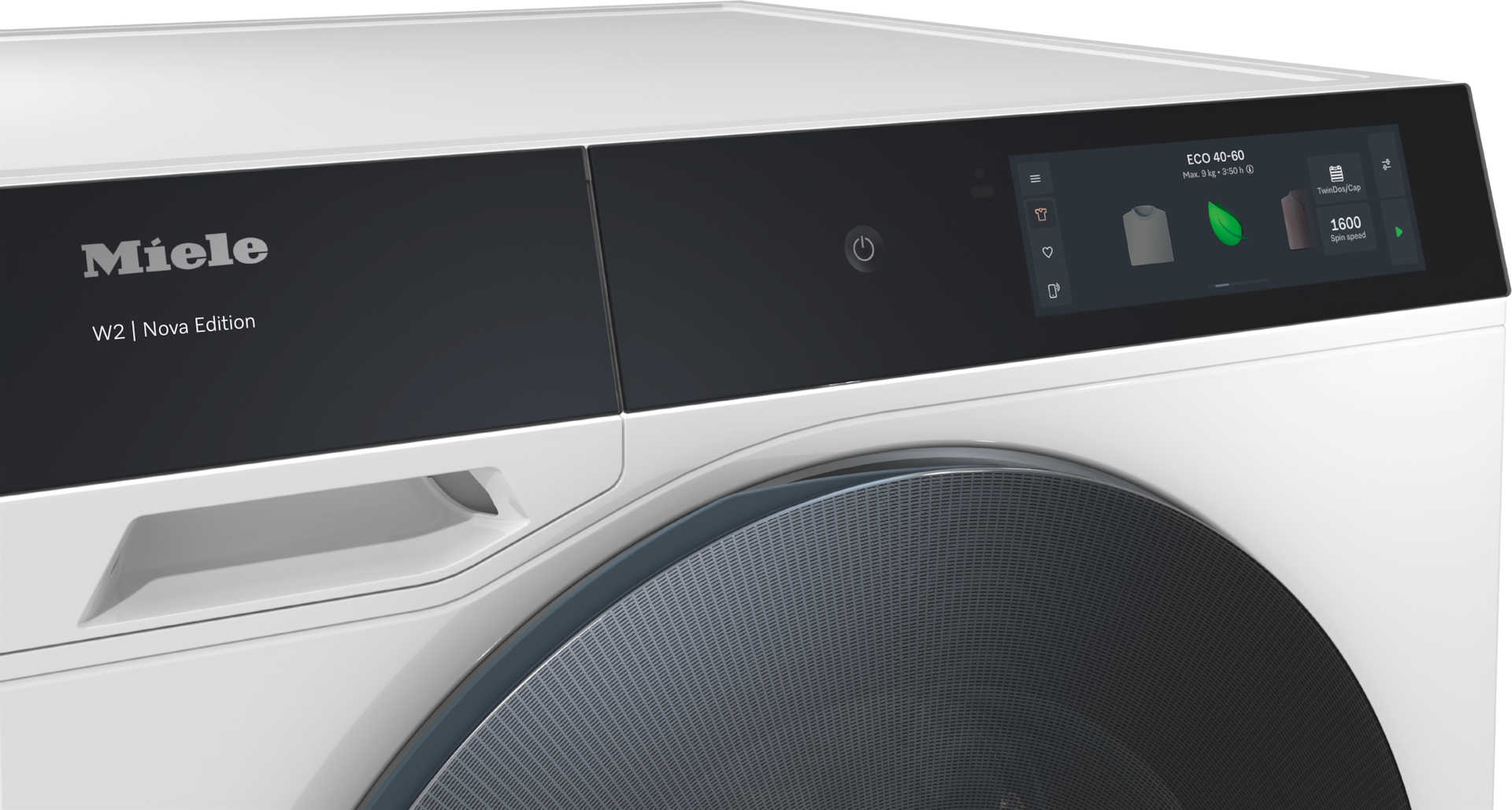
This tension reflects a growing trend in the digital economy where “built-to-last” innovation is becoming a luxury differentiator. By prioritizing industrial-grade components over cost-cutting measures, the company targets a demographic that values reliability and long-term performance over immediate affordability.
The move highlights the continued investment in high-end mechanical engineering within the home appliance sector, suggesting that there remains a strong market for products designed to outlast the typical consumer replacement cycle.
For more detailed perspectives on these discussions, readers can refer to the original community threads via this discussion.
