
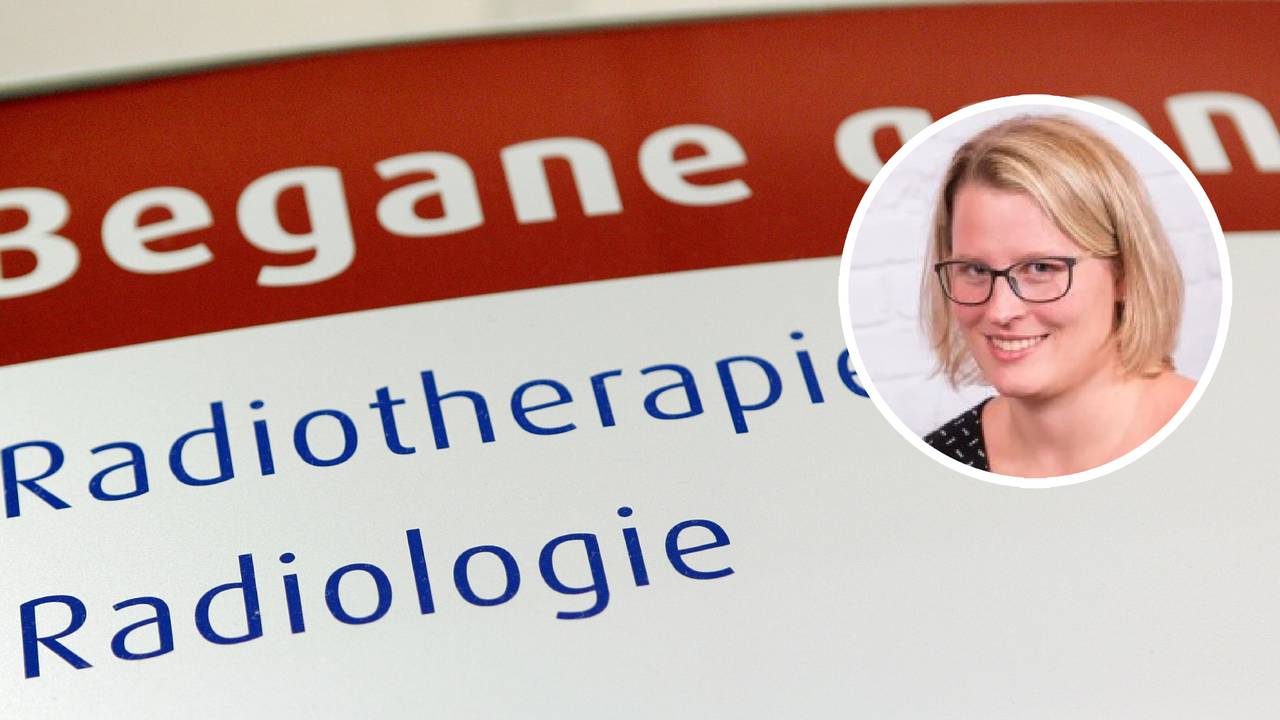
Dutch Health Coach Promotes Quark and Linseed Oil as Alternatives to Chemotherapy
A health coach based in Helmond, Netherlands, is facing scrutiny after advising cancer patients to abandon chemotherapy in favor of a dietary regimen consisting of quark and linseed oil. The claims, which suggest that nutrition and supplements can replace standard medical oncology, have raised significant public health concerns regarding the safety of abandoning evidence-based treatments.
.png?width=675 "Health Anne Ei Johanna Budwig")
Anne Eißfeller, who describes herself as a health coach, provides “targeted support through nutrition and supplements” to those battling cancer. Her approach is reportedly inspired by the theories of Johanna Budwig, a German chemist who claimed that a diet rich in quark and linseed oil could treat cancer. However, as noted by Tim Hofman, presenter of the television program BOOS, there is a complete lack of scientific evidence to support these claims.
The promotion of unverified alternative therapies can lead patients to delay or refuse life-saving medical interventions, creating a critical risk to patient safety and survival rates.
On her website, Eißfeller shares anecdotal accounts to persuade potential clients of the efficacy of her methods. In one instance, she claims a patient with breast cancer saw a significant reduction in tumor size within six weeks. In another case, she asserts that a terminal patient with lymph node cancer returned to health within eight weeks following her dietary advice.
Eißfeller places the responsibility for recovery directly on the patient, stating, “Health is not a coincidence, This proves a choice.” She further claims that “only those who actively cooperate can achieve the best possible results.”
The controversy intensified during an episode of BOOS, where Eißfeller was filmed speaking with a man suffering from lymph node cancer. The man, who had seen his cancer return after an initial round of chemotherapy, was seeking alternatives to traditional treatment. During the discussion, Eißfeller claimed that “chemo treatments are carcinogenic.”
Beyond her coaching practice, Eißfeller has ties to local politics; in March, she was eligible for candidacy with the local branch of the Forum voor Democratie party.
Medical professionals emphasize that while nutrition is a vital component of supportive care during cancer treatment, it cannot replace the targeted efficacy of chemotherapy. The situation underscores the ongoing challenge of combating medical misinformation that targets vulnerable populations during health crises.
