
The pressures on football managers are higher than ever, but how will the role evolve to meet these challenges? This article explores the future of football management, diving into the emerging trends that will redefine success on and off the pitch. From data-driven tactics to prioritizing manager well-being, discover the key predictions shaping the game’s leadership.
The Future of Football Management: Trends and Predictions
Table of Contents
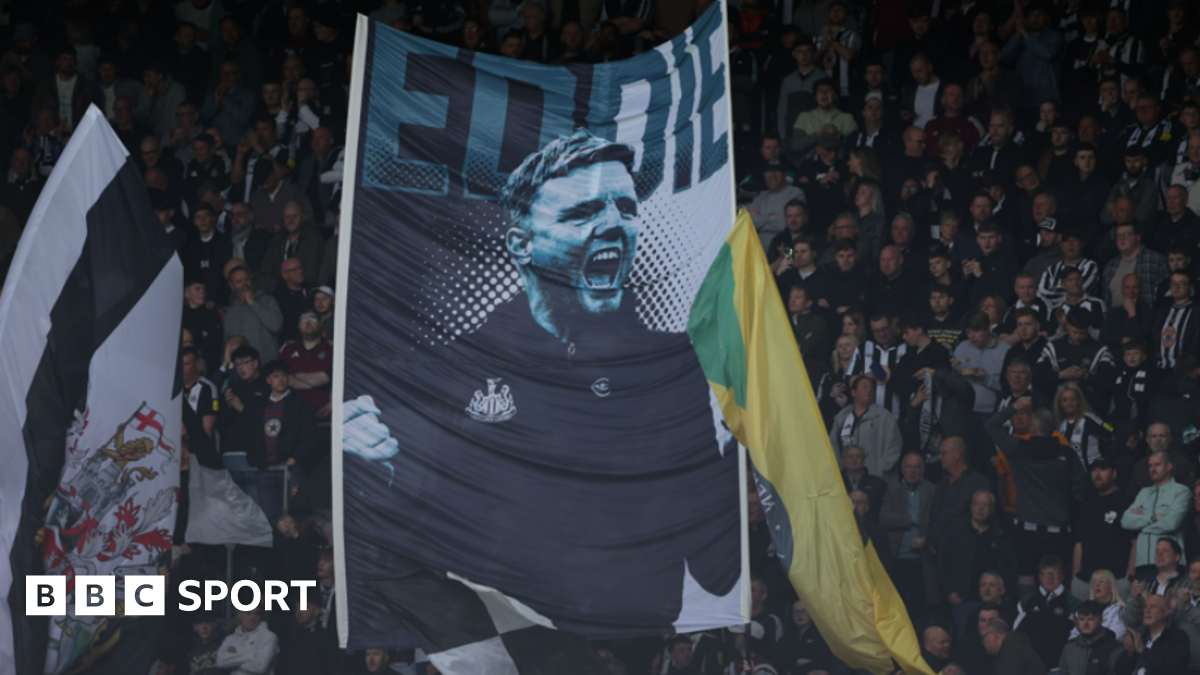
The recent news of Eddie Howe’s hospitalization highlights a critical aspect of modern football: the immense pressure and demands placed on managers. This article delves into the potential future trends shaping the role of football managers, considering factors like player welfare, tactical innovation, and the evolving relationship between managers and their clubs.
The Growing Importance of Managerial Well-being
The physical and mental toll on football managers is undeniable. The constant scrutiny, high-stakes decisions, and relentless travel can lead too burnout and health issues. Eddie Howe’s situation serves as a stark reminder of this reality.
Pro Tip: Clubs will likely prioritize manager well-being more in the future. This could involve providing better support systems, including mental health resources, reduced workloads, and more delegation to coaching staff.
Tactical Evolution and Data-Driven Decisions
Football tactics are constantly evolving.Managers are increasingly reliant on data analytics to inform their strategies, player selections, and in-game adjustments. This trend will onyl accelerate, with clubs investing heavily in data science and performance analysis departments.
Did you know? Some clubs are already using AI to analyze player performance and predict match outcomes. This technology could become commonplace in the coming years.
The Rise of the “Multi-Coach” System
The days of a single manager overseeing all aspects of a team are fading. We’re seeing a shift towards a multi-coach system, with specialized coaches focusing on areas like set-pieces, fitness, and individual player development. This allows for a more complete approach to player and team betterment.
Real-life example: many top European clubs now have dedicated set-piece coaches,leading to significant improvements in their goal-scoring and defensive capabilities from dead-ball situations.
The Manager-Player Relationship: A Changing Dynamic
The relationship between managers and players is also evolving. Modern players are more informed, have greater agency, and expect a more collaborative approach. Managers need to be skilled communicators, motivators, and relationship builders to succeed.
Reader Question: How will the increasing influence of player agents impact the manager’s role?
The Impact of Technology on the Touchline
Technology is transforming how managers operate during matches. from real-time data analysis on tablets to improved communication systems,managers have access to more information than ever before.This trend will continue, with advancements in wearable technology and virtual reality perhaps playing a role in training and tactical preparation.
FAQ: Frequently Asked Questions
Q: Will managers become more specialized?
A: Yes, we’re already seeing this trend with specialized coaches for various aspects of the game.
Q: How will data analytics change football?
A: Data will become even more crucial for tactical decisions, player recruitment, and performance analysis.
Q: What’s the future of manager-player relationships?
A: More collaborative and communicative relationships will be essential for success.
The future of football management is dynamic and complex. By understanding these trends,we can better appreciate the challenges and opportunities facing managers in the years to come. What are your thoughts on the future of football management? Share your comments below!
