
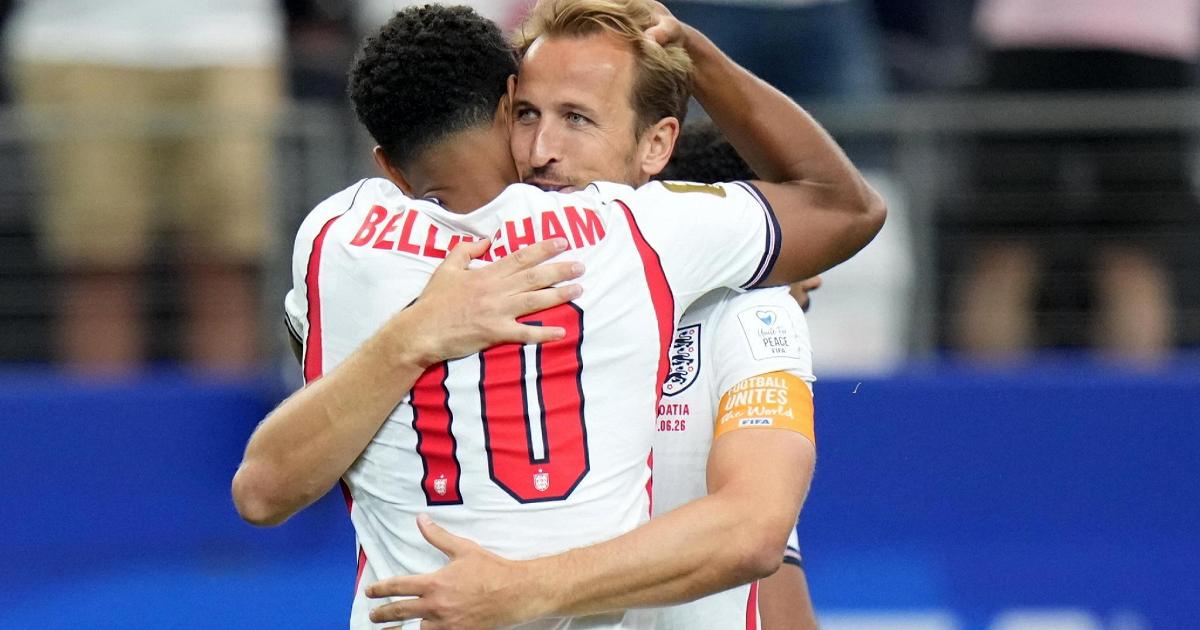
The Portuguese parliament faced a political controversy after the Federação Portuguesa de Futebol (FPF) invited lawmakers to attend the national team’s World Cup match against the Democratic Republic of the Congo, violating rules against gifts exceeding 150 euros. Meanwhile, England secured a 4-2 victory over Croatia in Dallas, with Harry Kane scoring twice, according to ANSA.
Portugal’s Political Controversy Over World Cup Invitations
The FPF’s decision to invite parliamentary leaders to the match in AT&T Stadium on June 18 sparked a constitutional crisis, as Portugal’s Regime Jurídico das Incompatibilidades e Regime de Incompatibilidades dos Titulares de Cargos Políticos explicitly prohibits lawmakers from accepting hospitality valued over €150. The FPF argued the invitations were extended to political parties—not individuals—under Article 12 of the Portuguese Constitution, which permits collective representation in “events of national interest.” However, the Assembleia da República (Portuguese Parliament) ruled the distinction was legally dubious, as the invitations were distributed to individual deputies with no mechanism for collective refusal.
Only José Pedro Aguiar-Branco, the president of the Portuguese Parliament, attended the match, arriving late and without fanfare. His presence was framed as a symbolic gesture rather than official endorsement. The FPF’s justification—that the event was “a matter of national pride”—clashed with parliamentary ethics, where even symbolic gestures risk violating the Lei de Transparência e Prevenção da Corrupção (Transparency and Anti-Corruption Law). The law, strengthened in 2023 after scandals involving public funds, mandates that any hospitality exceeding €150 must be disclosed and justified through a public interest rationale.
Criticism intensified when Fabian Figueiredo, a left-wing deputy from the Bloco de Esquerda, demanded the FPF redirect funds to disaster relief, citing Portugal’s ongoing wildfire recovery efforts. “This is not about football—it’s about prioritizing public resources,” Figueiredo told Público. “The FPF spent €5,000 on these invitations while schools lack textbooks.” The FPF, however, defended the expenditure as a “one-time diplomatic gesture,” noting that similar invitations had been extended to foreign dignitaries in past tournaments without controversy.
The controversy exposed deeper tensions between Portugal’s sports governance and political oversight. The FPF, an autonomous body under the Ministry of Sport, operates with significant financial autonomy, including sponsorship deals and FIFA allocations. However, its recent spending—including a €3 million upgrade to the national team’s training facilities—has drawn scrutiny from the Tribunal de Contas (Court of Auditors), which is investigating whether funds were allocated in compliance with public procurement laws.
For Portugal’s national team, the stakes were high beyond the political fallout. The match against the DR Congo (ranked 102nd in FIFA rankings) was a must-win to secure Group G advancement, with Portugal needing to avoid a repeat of their 2018 World Cup group-stage exit. Coach Roberto Martínez, however, downplayed the political distraction, telling RTP that “the team is focused on football, not politics.” Still, the absence of parliamentary support—beyond Aguiar-Branco’s solitary appearance—may have subtly affected morale, as the FPF’s internal communications suggested some players felt “undervalued” by the government’s stance.
The FPF’s next evaluation of the situation will occur at its July 1 board meeting, where executives will assess whether to issue formal apologies to rejected deputies or face potential legal action from the Procuradoria-Geral da República (Attorney General’s Office). Meanwhile, the Assembleia da República has formed a working group to propose stricter rules on sports-related hospitality, with draft legislation expected by August.
England’s Dominant Win Over Croatia
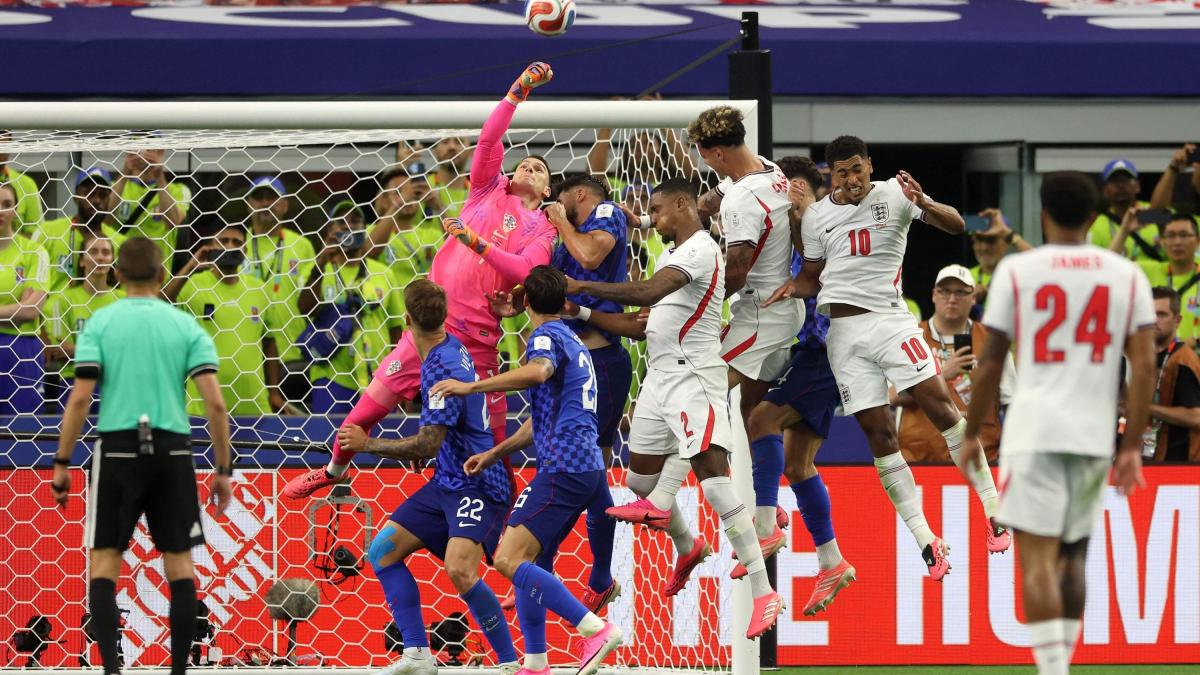
In AT&T Stadium, England’s 4-2 victory over Croatia on June 18 showcased the team’s depth and tactical evolution under Thomas Tuchel, who has overhauled the squad’s structure since taking charge in November 2023. The match, played in 90°F (32°C) heat, saw England dominate possession (62% to Croatia’s 38%) while Croatia relied on counterattacks and set pieces—a strategy that nearly paid off when Petar Musa (18) and Martin Baturina (22) tested England’s defense.
Harry Kane’s double—including a 23rd-minute penalty after a handball by Domagoj Vida—set the tone, but it was Jude Bellingham’s 57th-minute solo goal that stunned the Croatians. The midfielder, playing in his 12th World Cup match, collected the ball 60 yards out, dribbled past three defenders, and slotted it past Ivan Vargić with a left-foot strike. “That was the moment we knew we were in control,” Tuchel said in a post-match press conference. “Jude’s composure under pressure is what separates him from others.”
England’s attack thrived on Raheem Sterling’s pace and Bukayo Saka’s creativity, with the latter providing the assist for Marcus Rashford’s 89th-minute winner. However, the match also exposed vulnerabilities. Croatia’s defensive midfielder, Josip Juranović, intercepted Declan Rice’s long passes three times, while Nikola Vlašić’s header in the 68th minute nearly equalized. Tuchel admitted the defense “lacked sharpness in transition,” a concern given Croatia’s #14-ranked FIFA attack.
The win propelled England to the top of Group L, with three points from two matches. Their next fixture—against Ghana (June 24)—is critical, as a loss could see them finish behind Croatia on goal difference. Tuchel has emphasized a three-game plan: maintain defensive solidity, exploit Ghana’s high press, and limit counterattacks. “We’ve shown we can score, but we must stop giving away free points,” he said.
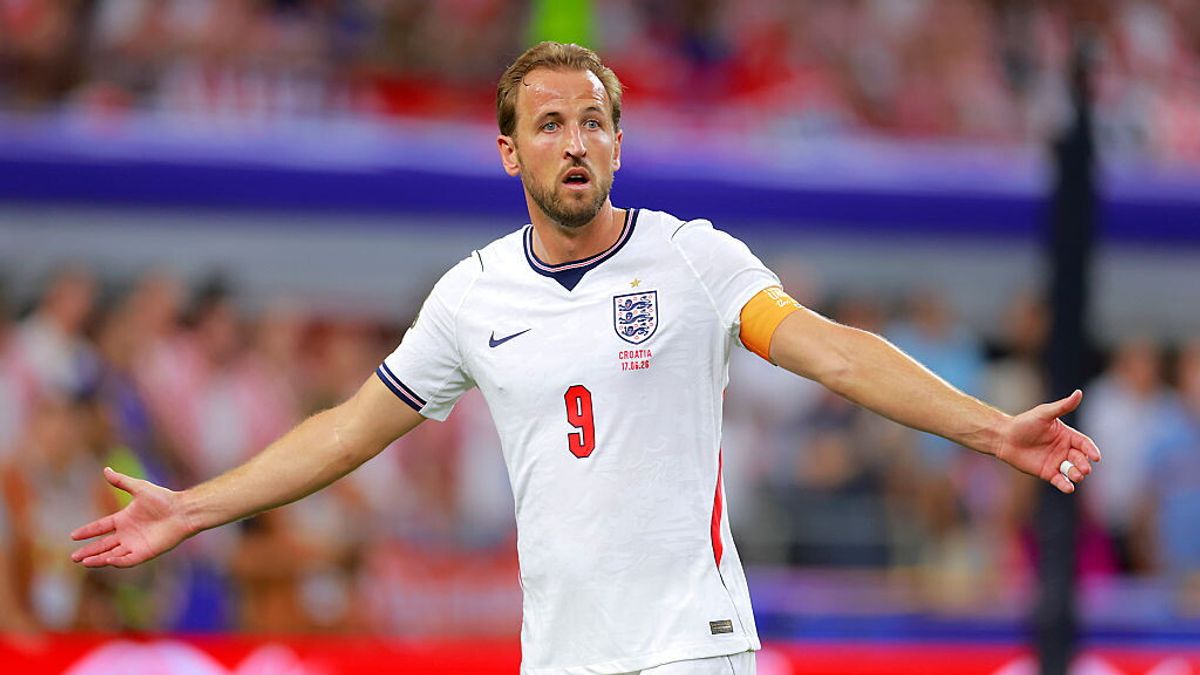
Individually, Kane’s performance—his 11th World Cup goal—reinforced his status as England’s all-time leading scorer, but his reliance on penalties (3/11 in this tournament) has sparked debate. Phil Foden, who missed the match due to a hamstring strain, remains sidelined until at least July 2, per BBC Sport. His absence forces Tuchel to rotate Cole Palmer and Jack Grealish in midfield, though neither has matched Foden’s creativity.
Croatia, meanwhile, faces an existential crisis. Their #16-ranked team enters the final group match against Panama needing a win to advance. Manager Zlatko Dalić has criticized his players’ “lack of aggression,” while Luka Modrić (38) admitted, “We played below our standard.” Their next game—June 24 vs. Panama—could determine whether they qualify for the knockout stage or face an early exit.
Broader Context: World Cup Stakes and Political Football
The intersection of sports and politics at this World Cup extends beyond Portugal. In Canada, the Government of Alberta faced backlash after inviting MLS players to a $20,000-per-ticket gala, violating provincial lobbying laws. Meanwhile, Qatar has used the tournament to soften its image, hosting diplomatic delegations from 32 nations—including Portugal’s—despite ongoing labor rights controversies. The FPF’s invitation controversy underscores how even neutral-seeming sports events can become political battlegrounds.
For England, the tournament is a referendum on Tuchel’s tenure. His £97 million annual budget (the highest in European football) has yielded results, but fan frustration over Foden’s injury and Kane’s penalty reliance persists. The Football Supporters’ Association has launched a petition demanding Tuchel’s contract be tied to knockout-stage progress, arguing that his £12 million annual salary is excessive given recent underperformance in Euros 2024 qualifiers.

Portugal’s political fallout may have long-term consequences. The Assembleia da República is considering a permanent ban on sports-related hospitality for lawmakers, a move that could strain relations between the FPF and government. The FPF’s €80 million annual budget, funded by FIFA and commercial sponsors, is under scrutiny, with critics arguing it should prioritize grassroots development over high-profile events.
The next critical dates:
- June 24: England vs. Ghana (7:00 PM ET, AT&T Stadium) – A win secures top spot; a draw risks a Croatia upset.
- June 24: Portugal vs. Switzerland (1:00 PM ET, NRG Stadium) – Switzerland’s #11-ranked defense could expose Portugal’s attack.
- June 29: England vs. Croatia (Group L decider) – A win advances England; a draw could see them finish second.
- July 1: FPF board meeting – Decision on parliamentary apology or legal defense.
What’s Next for England and Portugal?
England’s path to the knockout stage hinges on three factors:
- Defensive solidity: Croatia’s late goals exposed gaps in England’s backline. Tuchel may rotate John Stones and Reece James to bolster the center.
- Midfield balance: Without Foden, England risks losing creative spark. Bellingham’s versatility will be tested in a deeper role.
- Kane’s penalty record: If Ghana’s Joseph Attamah (a former England U-21 teammate) forces another spot-kick, England’s momentum could stall.
Portugal, meanwhile, must navigate two crises:
- Political: The FPF’s legal exposure could lead to fines or restricted access to public venues, complicating future tournaments.
- Football: A loss to Switzerland would force Portugal into a do-or-die match against DR Congo, where Martinez’s 4-3-3 formation may struggle against Switzerland’s 5-2-3 shape.
The World Cup’s early stages have already redefined narratives. For England, the focus shifts to sustaining dominance while addressing defensive frailties. For Portugal, the controversy may overshadow their footballing ambitions—unless they secure a Group G win, which could force the FPF to reconsider its political strategy.
The next 10 days will determine whether these stories become footnotes or defining moments of the tournament.
Find more reporting in our Sport section.
