

El Salvador Puts 486 MS-13 Gang Leaders on Trial in Historic Mass Prosecution
SAN SALVADOR — In one of the largest criminal proceedings in Latin American history, El Salvador has launched a mass trial against 486 alleged leaders and senior members of the notorious MS-13 gang, accusing them of orchestrating more than 47,000 crimes—including nearly 29,000 murders—over an 11-year period.

The unprecedented legal action, which began in late April 2026, marks a dramatic escalation in President Nayib Bukele’s aggressive crackdown on organized crime. The trial comes as El Salvador continues to tout record-low homicide rates, though human rights groups warn the proceedings may sacrifice due process for speed and spectacle.
Prosecutors allege the defendants—many of whom are being tried via video link from the country’s maximum-security Terrorism Confinement Center (CECOT)—played key roles in MS-13’s violent operations between 2012 and 2022. The charges span murder, extortion, arms trafficking, kidnapping, and even attempted insurrection for allegedly seeking to establish a “parallel state.” If convicted, individual defendants could face sentences of up to 245 years in prison.
A Decade of Bloodshed
According to the Attorney General’s Office, the 486 defendants are collectively responsible for a staggering 47,000 criminal acts, with homicides accounting for more than 60% of the total. The indictment cites a particularly brutal weekend in March 2022, when 87 people were killed in a single spasm of gang violence—a turning point that prompted Bukele to declare a “war on gangs” and impose a state of emergency that remains in effect today.
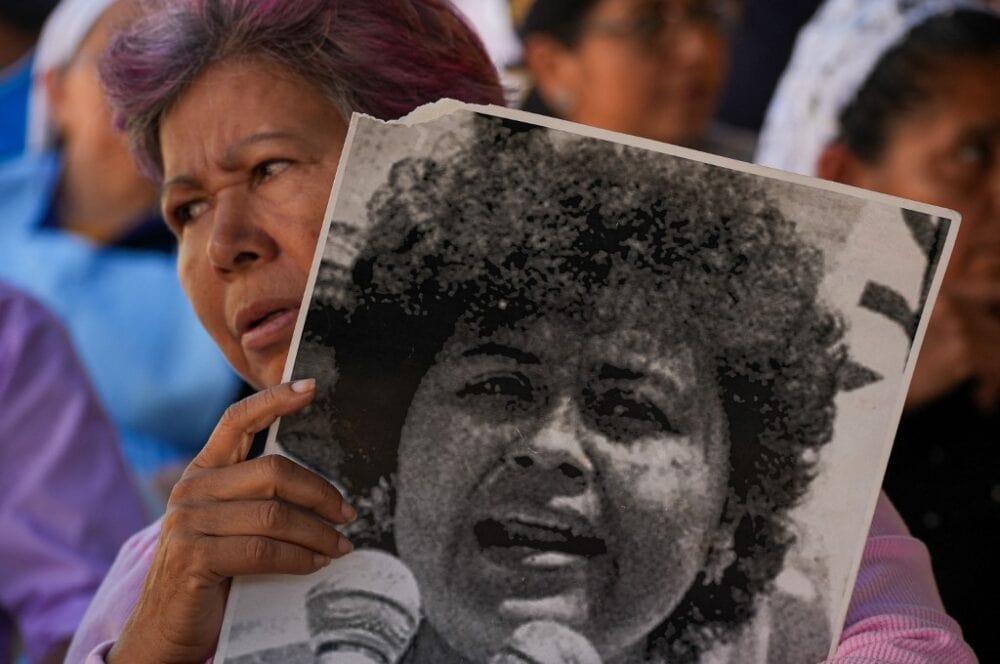
President Bukele has framed the trial as long-overdue justice. “We will punish them and settle a historic debt,” he said in a statement last week. “They are being held accountable for every crime MS-13 committed over the past 11 years.” The government claims the gang is responsible for 200,000 deaths over three decades, with an additional 80,000 people reported missing due to gang-related violence.
MS-13, or Mara Salvatrucha, originated in Los Angeles in the 1980s among Salvadoran immigrants fleeing civil war. The gang later expanded into a transnational criminal network, with cells operating across Central America and the U.S. In 2025, the U.S. Designated MS-13 a terrorist organization, citing its role in drug trafficking, human smuggling, and brutal enforcement tactics—including a chilling motto: “Kill, rape, control.”
Controversy Over Mass Trials
While the government touts the proceedings as a triumph of law and order, human rights organizations have raised alarm over the trial’s scale and methods. Critics argue the mass format—permitted under a 2023 legal reform—risks convicting innocent people by lumping defendants together without individualized scrutiny.
“These trials prioritize speed over fairness,” said a joint statement from Human Rights Watch and Cristosal, a Salvadoran rights group. “When hundreds of people are prosecuted en masse, the likelihood of wrongful convictions skyrockets.” The organizations also condemned the anonymity of the judges, a measure intended to protect them from gang retaliation but which they say violates international judicial standards.
The state of emergency, in place since March 2022, has led to the arrest of more than 91,000 people, though the government acknowledges that at least 8,000 detainees have since been released after being found innocent. Rights groups report over 500 deaths in custody during the crackdown, raising further concerns about conditions in El Salvador’s overcrowded prisons.
Security Gains vs. Human Costs
The trial underscores the stark trade-offs in Bukele’s security strategy. Since the crackdown began, El Salvador’s homicide rate has plummeted from 106 per 100,000 residents in 2015 to just 1.3 per 100,000 in 2025—a statistic the government cites as proof of success. The country now boasts the lowest murder rate in the Americas, a dramatic reversal from its former reputation as one of the world’s most violent nations.
Yet the mass arrests and expedited trials have drawn sharp rebukes from the United Nations and international observers, who warn of a broader erosion of civil liberties. “The ends cannot justify the means,” said a UN spokesperson in a recent report, noting that arbitrary detentions and due process violations risk undermining long-term stability.
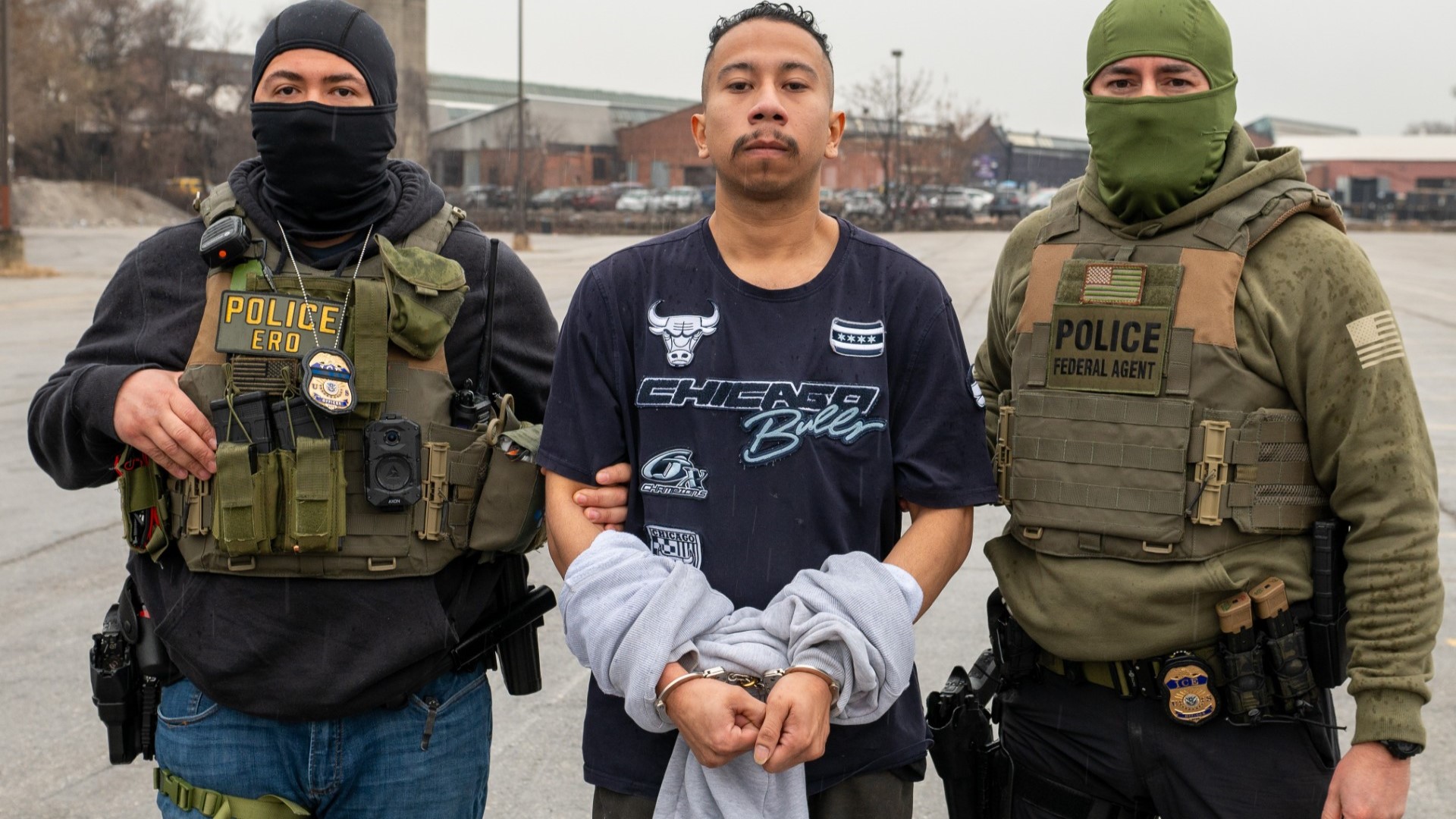
For now, public support for Bukele’s policies remains overwhelmingly high within El Salvador, where many citizens—exhausted by decades of gang terror—view the crackdown as a necessary evil. But as the trial unfolds, the global community is watching closely to see whether the country’s hard-won security gains can be sustained without sacrificing the rule of law.
El Salvador begins mass trial of 486 MS-13 gang members, accused of 47,000 crimes including 29,000 murders. Prosecutors seek sentences up to 245 years per defendant. https://t.co/abc123
— BBC News (@BBCNews) April 26, 2026
What’s Next?
Prosecutors have not disclosed how long the trial will last, but they claim to possess “overwhelming evidence” against the defendants. The proceedings are being held in a high-security courtroom, with most defendants appearing via video from CECOT, a prison designed to hold 40,000 inmates and currently operating at near capacity.
The outcome could set a precedent for how El Salvador—and potentially other nations grappling with gang violence—balances justice with human rights. For now, the trial stands as a stark reminder of the country’s transformation: from a battleground of gang warfare to a laboratory for extreme anti-crime measures, with consequences that will reverberate far beyond its borders.
