
European regulators are intensifying their focus on gasoline engine emissions as the continent accelerates its transition too electric vehicles. A key vote on the future of internal combustion engines is slated for December 10th, though important divisions remain among EU member states [1]. While diesel engines have faced scrutiny for years, new research indicates that gasoline direct injection technology-despite improving fuel efficiency-produces higher levels of particulate matter and nitrogen oxides, prompting a broader reevaluation of gasoline vehicle pollution standards.
European regulators are increasingly scrutinizing gasoline engine technology, citing environmental concerns as the continent pushes for wider adoption of electric vehicles. The move comes as member states prepare to vote on December 10 regarding the future of internal combustion engines less than a decade from now, though significant disagreement remains among them.
The shift away from traditional combustion engines has been gaining momentum in Europe in recent years, with a growing focus on phasing out gasoline and diesel vehicles. This has extended to questioning the viability of synthetic fuels and hydrogen technologies, despite potential benefits. Regulators have already targeted diesel engines and are now focusing on plug-in hybrids, whose future is uncertain due to evolving emissions standards, with gasoline cars now in the crosshairs.
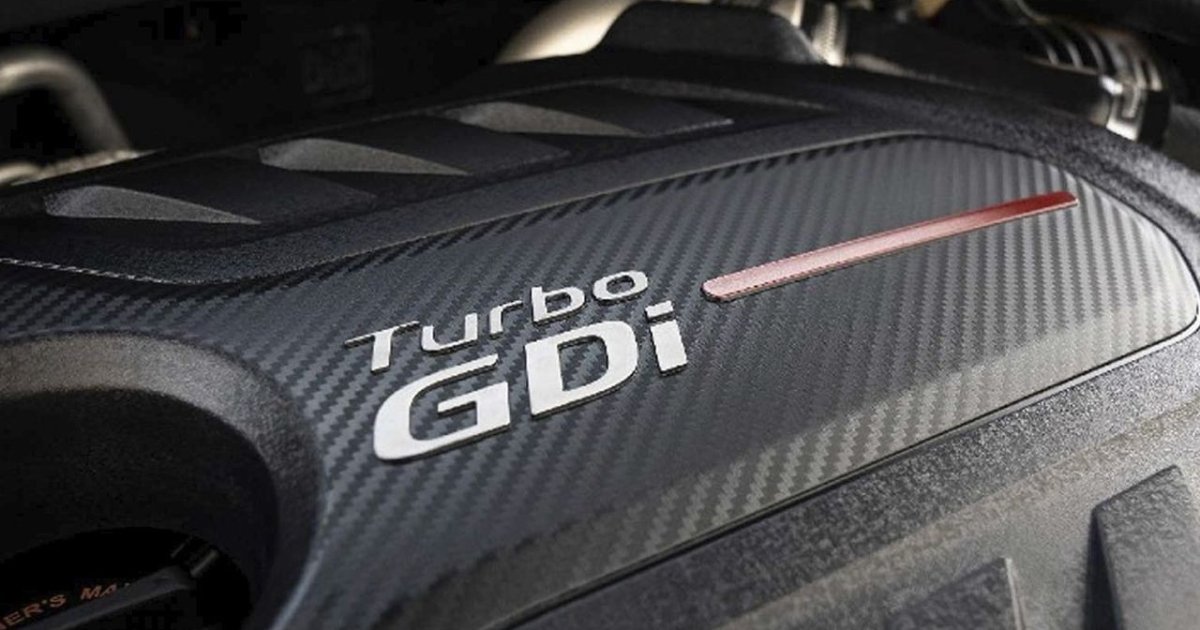
The current scrutiny stems from independent research indicating that gasoline car emissions, while lower in CO2, are worse than diesel vehicles in terms of particulate matter and nitrogen oxides. These emissions are linked to gasoline direct injection technology, which improves fuel efficiency and reduces CO2 output but increases other harmful pollutants.
Why Europe is also targeting gasoline engines
Automakers have widely adopted this technology due to its potential for significant fuel savings – up to 20% in optimal conditions, particularly at lower and medium engine speeds. However, direct injection is less common in naturally aspirated gasoline engines and is primarily used in turbocharged engines to enhance performance across a broader range of engine speeds. The high pressure used in direct gasoline injection contributes to increased particulate matter, or soot, production.
European authorities highlight the increased toxicity of these particles, which undergo chemical reactions when exposed to sunlight, creating pollutants more harmful to health. This poses a challenge for automakers unable to prevent these reactions or effectively neutralize them with existing particulate filters, leading to increased regulatory pressure on gasoline engines with direct injection. The goal is to phase them out, potentially through mandatory anti-pollution systems.
Dual fuel injection offers a solution, but at a cost
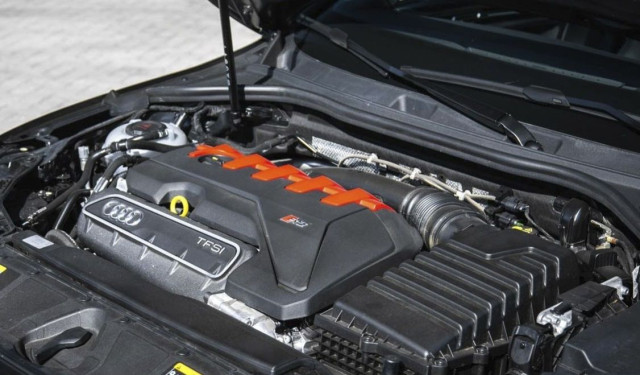
Automakers recognize a potential solution: implementing a dual indirect fuel injection system. This technology, used in models like the Toyota GT86 and Audi’s 2.5-liter engine, operates at lower pressures than direct injection, injecting gasoline into the intake manifold instead of the combustion chambers. This creates a more homogenous air-fuel mixture and reduces particulate emissions.
In practice, indirect injection is used during startup and initial acceleration phases, when emissions are highest, while direct injection is employed for maximum power output at higher engine speeds. However, these dual systems are expensive to install in mass-produced vehicles, impacting the overall cost of the car. Automakers focused on electrification and hybrid technologies are hesitant to invest further in a technology they believe is nearing obsolescence.
Още по темата:
-

Cheaper cars are the biggest polluters, scientists claim
-

Germany to address key issue with plug-in hybrids
-

PHEVs as polluting as gasoline cars, experts say
