
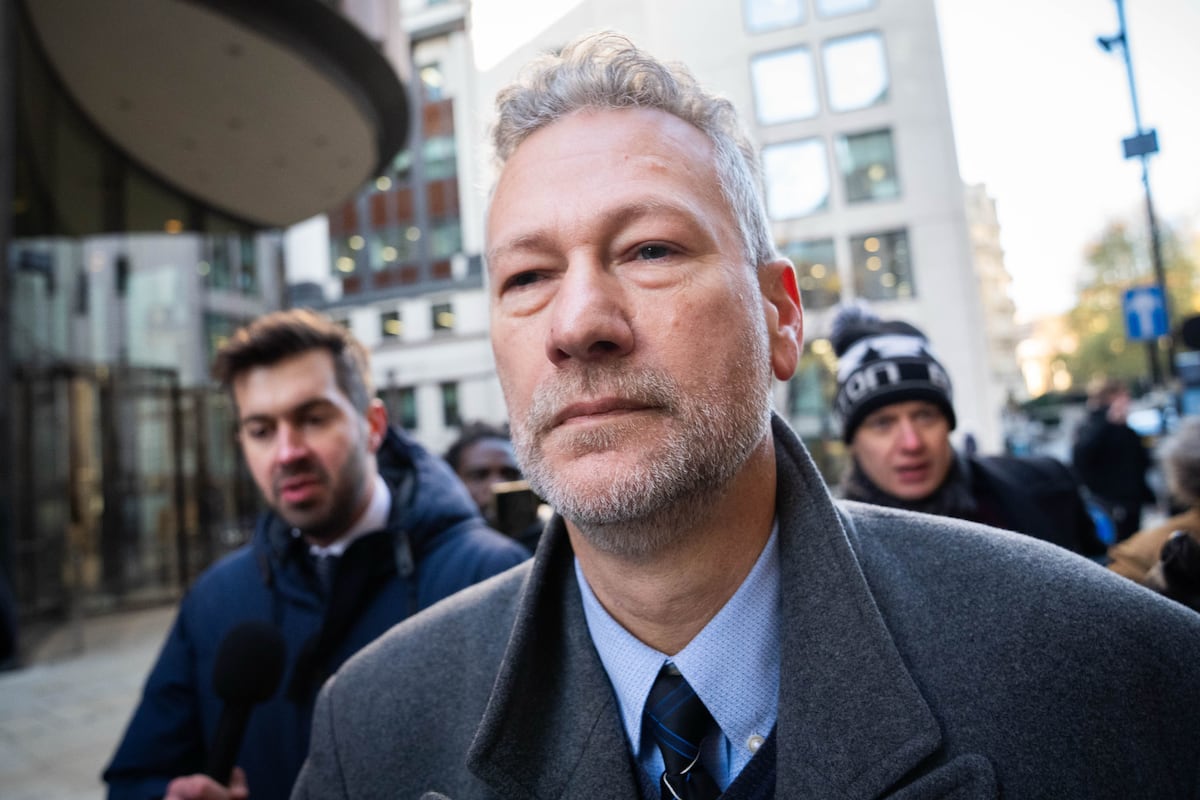
A former top aide to British politician Nigel Farage has been sentenced to over a decade in prison for accepting bribes linked to the Kremlin, raising serious questions about potential foreign influence within the UK’s rising Reform Party. Nathan Gill, a former leader of reform UK in Wales and a Member of the European Parliament, admitted to accepting over 45,000 euros from an ally of vladimir Putin between 2018 and 2019. The case, triggered by an FBI investigation, comes as Farage and his party are gaining momentum ahead of upcoming elections, prompting calls for greater scrutiny of their connections and vetting processes.
A former aide to Nigel Farage, the British politician who spearheaded the Brexit movement, has been sentenced to over ten years in prison for accepting bribes from a Ukrainian oligarch with ties to the Kremlin. The case raises serious questions about Farage’s connections and potential vulnerabilities to foreign influence as he gains political momentum in the United Kingdom.
Nathan Gill, who once led Reform UK – Farage’s current political party – in Wales, admitted to eight counts of bribery between December 2018 and July 2019, totaling more than 45,000 euros. He received the payments from Oleg Voloshin, an ally of Russian President Vladimir Putin who intelligence agencies now believe is based in Moscow. The sentencing follows an investigation by the Metropolitan Police’s Counter Terrorism Command, which determined Gill’s actions represented a threat to national security.
Gill used his position as a Member of the European Parliament, a role he held through UKIP and the Brexit Party before joining Reform UK, to disseminate arguments dictated by Voloshin. These arguments were designed to justify potential Russian aggression against Ukraine, mirroring the Kremlin’s narrative. He ultimately secured a seat in the UK’s House of Commons through Reform UK.
The investigation into Gill was initially prompted by the FBI, which intercepted communications between Voloshin and the then-Member of the European Parliament, revealing clear evidence of bribery.
Farage, who has previously collaborated with Russian state-funded media outlet Russia Today, has publicly expressed admiration for Putin and blamed NATO’s eastward expansion for Russia’s invasion of Ukraine. He quickly distanced himself from Gill following the sentencing. Reform UK has issued a statement condemning Gill’s actions as “treacherous and unforgivable,” expressing satisfaction with the court’s decision.
The sentencing comes as Reform UK is experiencing a surge in popularity, currently leading in some polls and challenging both the Labour and Conservative parties. The party has capitalized on populist rhetoric, particularly regarding immigration, and is attempting to reshape the UK’s political landscape.
The UK’s Secretary of State for Security, Dan Jarvis, described the actions as “a betrayal of our country, our people, and our national security” during a parliamentary session. The Labour Party is now demanding an internal investigation into Reform UK’s vetting processes and potential connections to foreign influence.
Judge Bobby Cheema-Grubb, of England and Wales’ Central Criminal Court, stated during sentencing, “Allowing money to corrupt your moral compass constitutes a grave betrayal of the trust placed in you by the electorate. Your criminal behavior has ramifications that extend beyond your own honor, which has been irreparably tarnished.”
While Farage has sought to downplay his relationship with Gill, sources within Reform UK have confirmed to British media that the two have been friends since the early days of their political careers and frequently collaborated during their time in the European Parliament. Gill, a devout Mormon, was known for his unwavering loyalty to Farage, and sources suggest this made him susceptible to manipulation by individuals connected to the Kremlin.
The development underscores the scrutiny facing Farage as he seeks to position himself as a leading figure in British politics, and raises concerns about the potential for foreign interference in the UK’s democratic processes.
