
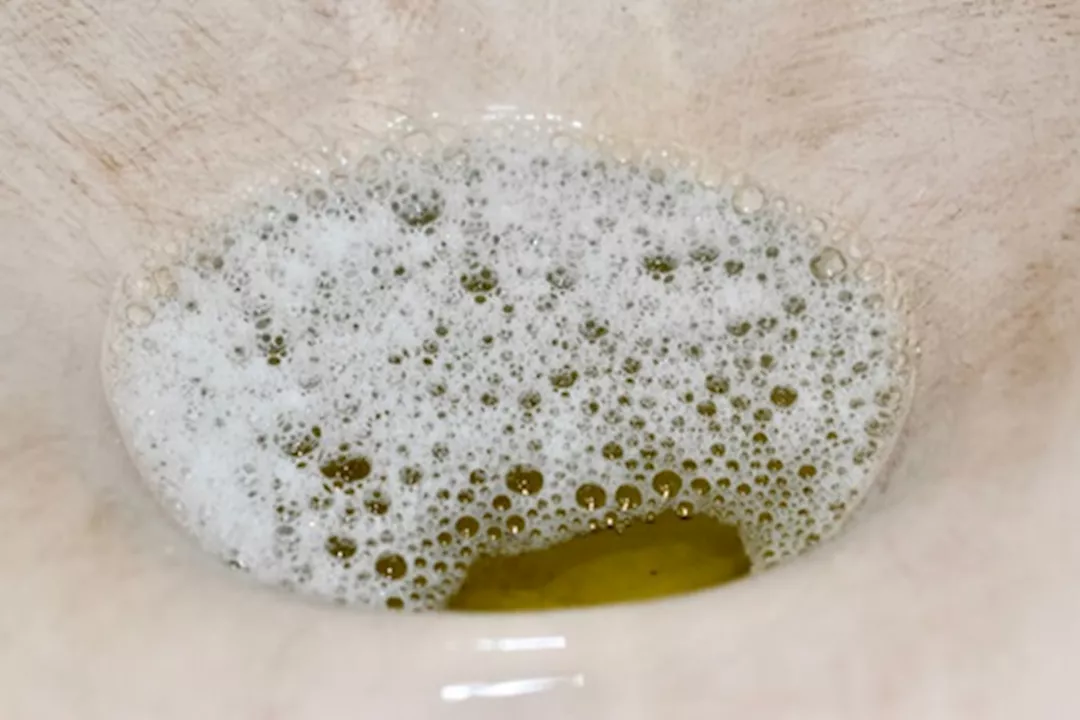
When Foamy Urine Becomes a Warning Sign: Expert Insights on Kidney Health
Not every bubble in the toilet is a cause for alarm, but persistent foamy urine can be a critical warning sign of kidney dysfunction, according to medical experts.

Dr. Hossam Mowafi, a professor of internal medicine and nephrology at Cairo University, explains that while occasional foam is common, certain patterns indicate a need for urgent medical attention. Understanding the distinction between harmless bubbles and pathological foam is essential for early detection of renal issues.
According to Dr. Mowafi, foamy urine often results from benign factors. For instance, the speed and force of the urine stream hitting the water can create temporary bubbles. Similarly, dehydration can lead to more concentrated urine, which may appear frothy.
However, the situation becomes concerning when the foam is persistent and takes on a thick, soap-like consistency. In these cases, Dr. Mowafi warns that it may be a sign of proteinuria—a condition where the kidneys leak protein into the urine.
Under normal conditions, the kidneys act as a sophisticated filtration system, keeping essential proteins within the blood while removing waste products. When this filtration system is compromised, protein escapes into the urine, creating a characteristic frothy appearance. This leakage is often a primary indicator of kidney damage or failure.
The presence of persistent proteinuria underscores the importance of monitoring urinary changes, as it can guide the timely diagnosis of underlying kidney conditions. Patients noticing consistent changes in the appearance of their urine are encouraged to consult a healthcare provider for proper diagnostic testing to preserve long-term renal function.
