
Despite advancements in modern food systems, a surprising trend is emerging: the disappearance of highly nutritious fruits from store shelves. These native species, once vital to local communities, are being replaced by varieties selected for their ability to withstand long-distance travel and maintain a uniform appearance, potentially impacting nutritional intake for consumers.
Why Are Nutritious Native Fruits Vanishing from Markets?
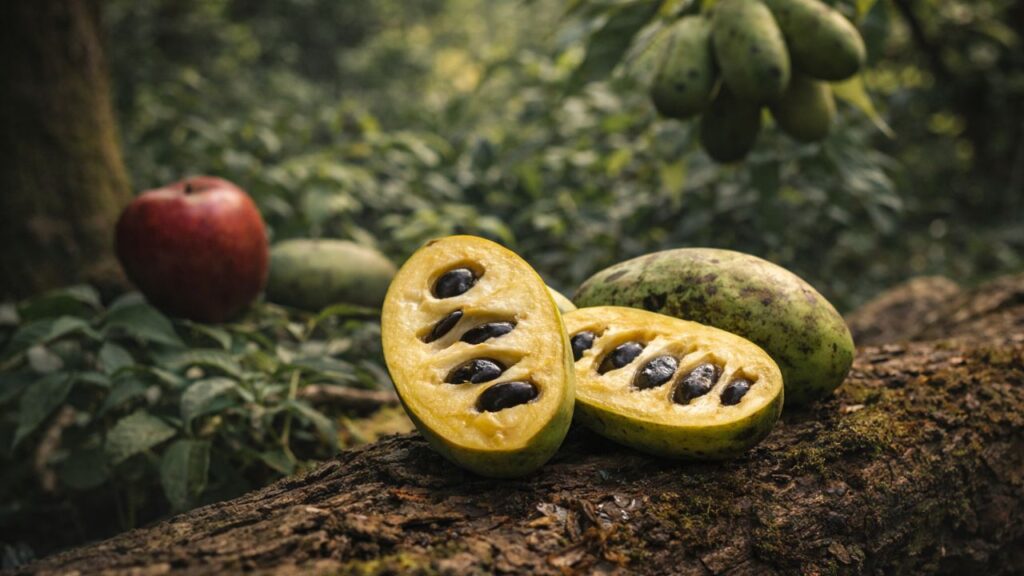
The pawpaw (Asimina triloba), a fruit native to temperate regions of North America, serves as a prime example. It can contain up to 10 times more calcium than an apple and 20 to 70 times more iron, depending on its ripeness. Despite its impressive nutritional profile, the pawpaw is rarely found in urban grocery stores, having been largely supplanted by more “commercial” and visually standardized varieties.
Historically, pawpaws were a staple food in rural areas and for populations reliant on forest resources. Today, while still present in natural areas, the fruit is primarily maintained by small-scale farmers, rare fruit collectors, and conservation projects, with limited availability in mainstream supermarkets. This shift highlights a potential disconnect between agricultural practices and optimal nutritional access.
Nutritional Benefits of Calcium- and Iron-Rich Native Fruits
These native fruits are particularly notable for their calcium and iron content. From a nutritional standpoint, these fruits boast a high mineral density, with calcium being crucial for bone health, muscle function, and nerve transmission, and iron being essential for red blood cell formation and oxygen transport.
Some of these fruits, like the pawpaw in its native ecosystems, contain all nine essential amino acids – a relatively uncommon trait among fruits. They also often concentrate soluble fibers, antioxidant compounds, and B vitamins, further contributing to a well-rounded and locally-sourced diet.
How Does Logistics Impact the Availability of Native Fruits?
However, logistical factors often outweigh nutritional value when determining what appears on store shelves. Many native fruits, including the pawpaw, ripen quickly, have a creamy pulp, delicate skin, and a short shelf life once harvested – characteristics that clash with long supply chains and extensive storage requirements.
In a system reliant on lengthy transportation, prolonged refrigeration, and large distribution centers, these qualities present significant challenges. The calcium- and iron-rich fruit often loses out to varieties that can withstand weeks in boxes, endure rough handling, and maintain a standardized appearance throughout the journey to the consumer.
The Cultural and Ecological Role of Native Fruits
Throughout history, calcium- and iron-rich native fruits have been integral to the traditional diets of various communities. Before the widespread expansion of supermarkets, food choices were primarily guided by local availability and accumulated knowledge of the environment.
These fruits also play a vital ecological role, as native fruit trees provide shelter and food for insects, birds, and small mammals. In the case of the pawpaw, its growing areas support specific pollinators and wildlife dependent on its fruits. The decline in cultivation of these fruits impacts not only nutrition but also biodiversity, food security, and the resilience of ecosystems across different biomes.
Throughout history, many native fruits were part of local diets and offered a surprising amount of nutrients. Yet, some have nearly disappeared from modern shelves, despite being exceptionally rich in essential minerals.
In this video from the TV Aparecida channel, with over 4.6 million subscribers and approximately 3.6 thousand views, the story of one of these fruits draws attention to how nutritious foods can be excluded from the current food system:
How Does the Food Supply System Define “Better Than an Apple”?
In the current food system, being “better than an apple” in terms of calcium or iron isn’t enough to guarantee shelf space. Criteria often invisible to shoppers – such as post-harvest durability, response to refrigeration, resistance to transport, and predictable maturation – often carry more weight.
The journey of food to the supermarket typically follows steps that favor this pattern, placing sensitive native fruits at a disadvantage:
- Selection of varieties prioritizing firm skin, uniform size, and predictable ripening.
- Early harvesting to ensure the fruit can withstand storage and reach optimal ripeness on shelves.
- Transportation and storage focused on large volumes, stacking, and prolonged refrigeration.
- Standardized display, valuing a homogeneous appearance and low loss rates from damage or bruising.
Is There Room for a Return of Mineral-Rich Native Fruits?
Whereas largely absent from major retail chains, calcium- and iron-rich native fruits are beginning to reappear in small-scale initiatives. Projects focused on agroforestry, regenerative agriculture, community gardens, and local farmers’ markets see these species as an opportunity to strengthen short supply chains, bringing producers and consumers closer together. In some of these projects, the pawpaw is highlighted as a highly nutritious native fruit that could regain space in local markets, artisanal processing (ice cream, pulps, jams), and gastronomic tourism.
As interest grows in natural nutrition, essential minerals, and locally-sourced foods, strategies like planting in agroforestry systems, direct sales, artisanal processing, and applied research are gaining momentum. In these contexts, a shorter shelf life becomes less of a barrier, and the discussion expands to include not only what is most nutritious but also what preserves culture, biodiversity, and autonomy in food systems – creating space for fruits like the pawpaw to become better known, cultivated, and consumed on a larger regional scale.
