
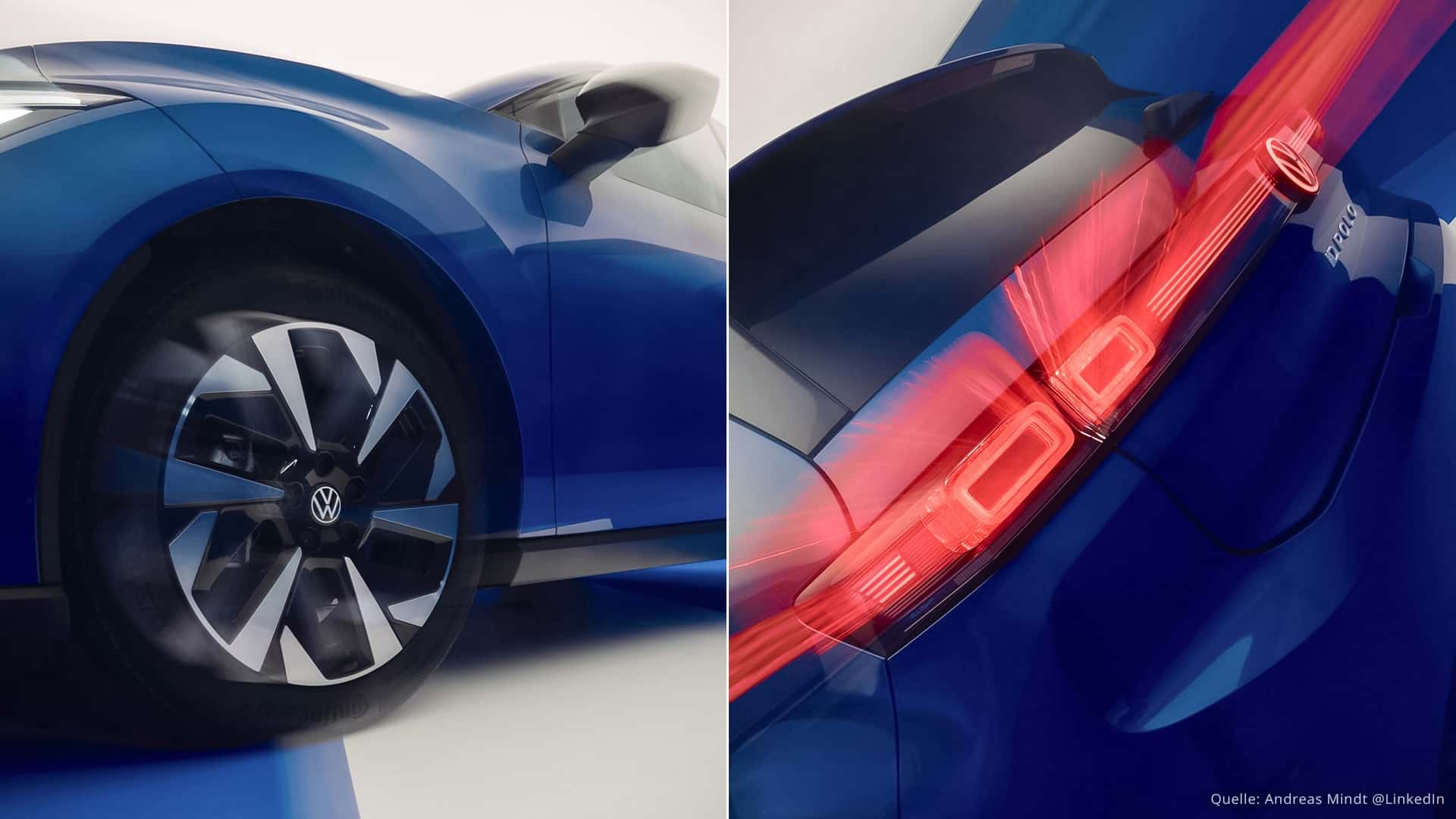
Volkswagen Unveils Affordable Electric ID. Polo Ahead of April 29 World Premiere Wolfsburg, Germany — Volkswagen is set to reveal its most accessible electric vehicle yet, the ID. Polo, marking a pivotal step in the automaker’s push to democratize EV adoption. The compact hatchback, slated for its official debut on April 29 at noon Central European Time, will enter production later this year as Volkswagen’s answer to growing demand for budget-friendly electric mobility. The ID. Polo will launch in Europe with three trim levels—Trend, Life, and Style—each offering two battery options: a 37 kWh pack and a larger 52 kWh variant. According to Volkswagen’s French website, the higher-capacity models will reach dealerships first, with deliveries beginning in September 2026, even as the smaller-battery versions follow in November. The entry-level Trend model starts at €24,990, a price point Volkswagen has emphasized as critical to attracting cost-conscious buyers. The vehicle’s development reflects Volkswagen’s broader strategy to expand its ID. Family, which has already seen success with models like the ID.3 and ID.4. The ID. Polo will be the first production car built on the company’s updated MEB+ platform, an evolution of its modular electric architecture designed to improve efficiency, space utilization, and software integration. With front-wheel drive and a range of up to 450 kilometers (280 miles) on a single charge, the Polo aims to balance affordability with practicality for urban and suburban drivers. Production will grab place at the SEAT and Cupra factory in Martorell, Spain, where battery systems are already in assembly. The facility, which has historically produced combustion-engine Polos, underscores Volkswagen’s commitment to repurposing existing infrastructure for electric vehicle manufacturing. A performance-oriented GTI variant is also in the pipeline, with an expected launch in March 2027, according to Volkswagen’s French configurator. The ID. Polo’s arrival comes as automakers face intensifying competition in the small EV segment, where price sensitivity remains a key hurdle. Volkswagen’s decision to prioritize an entry-level model signals its intent to capture a broader market share, particularly among first-time EV buyers. The company has previously stated that the Polo will serve as a gateway vehicle, introducing drivers to its electric ecosystem while maintaining the brand’s reputation for reliability and value. In recent months, Volkswagen has teased glimpses of the ID. Polo through camouflaged prototypes and partial reveals, building anticipation ahead of the April 29 unveiling. The final production version will shed its test livery, offering the first full look at a car poised to play a central role in Volkswagen’s electric transition. With pre-sales set to begin immediately after the premiere, the ID. Polo could soon turn into a benchmark for affordable EVs in Europe. The automaker’s focus on cost efficiency extends beyond pricing. The ID. Polo’s interior has been designed for intuitive operation, with a streamlined layout and digital interfaces aimed at reducing driver distraction. Volkswagen has also emphasized the vehicle’s spaciousness, noting its 435-liter luggage capacity—an advantage derived from its front-wheel-drive architecture. As the electric vehicle market continues to evolve, the ID. Polo represents Volkswagen’s bet on mass-market adoption. With production ramping up and pricing positioned to undercut many competitors, the model could accelerate the shift away from internal combustion engines in the compact segment. Industry observers will be watching closely to see whether the Polo’s blend of affordability, range, and practicality resonates with European consumers in the coming months.
VW ID. Polo 2026: Price, Range & Release Date Revealed
1
