
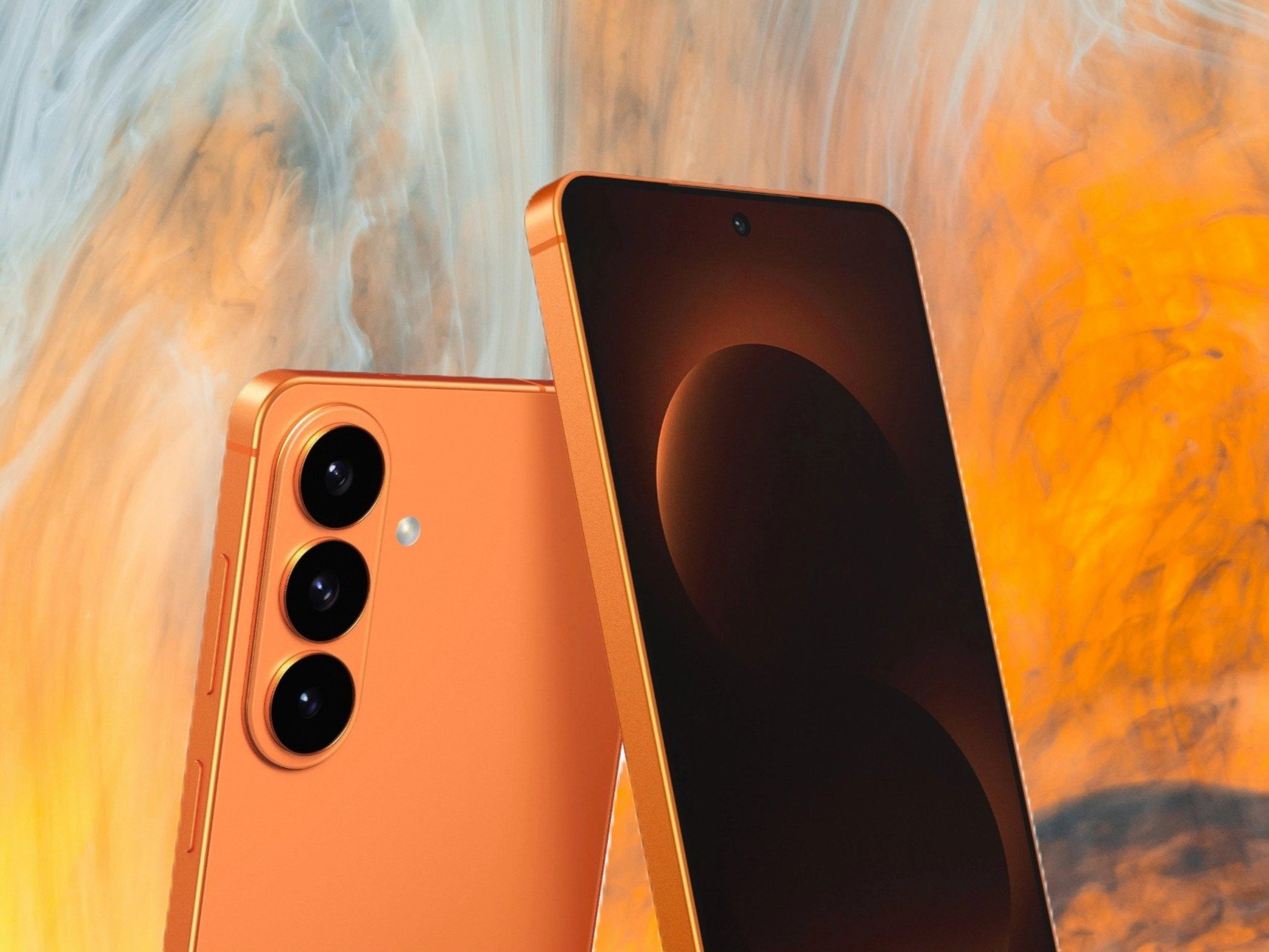
Samsung’s next generation Galaxy S26 series is expected to carry over the display brightness of its predecessors, a move that diverges from the industry trend of increasingly vibrant screens [[2]]. All models – the S26, S26+, and S26 Ultra – are currently projected to peak at 2,600 nits, a level already found in the Galaxy S24 and S25 lineups. While the company plans to utilize updated M14 OLED panels offering gains in efficiency and thickness [[1]], this decision signals a potential shift in priorities toward thermal management and power efficiency as smartphone capabilities expand.
Samsung’s upcoming Galaxy S26 series is expected to maintain the peak brightness levels of its predecessors, according to recent reports. The Galaxy S26, S26+, and S26 Ultra are all anticipated to reach a maximum brightness of 2,600 nits, a figure also found in the Galaxy S24 and S25 lines.
This decision to hold steady on brightness comes as display technology continues to advance, and as consumers increasingly demand vibrant screens, especially for outdoor use. While 2,600 nits remains a more than adequate level for visibility in bright conditions, the move has prompted speculation about the underlying reasons.
Some analysts suggest Samsung may be constrained by the capabilities of the AMOLED panels used in the devices. However, others believe the limitation is related to thermal management. Maintaining peak brightness can generate significant heat, and Samsung may be prioritizing temperature control to ensure stable performance. This is particularly relevant as the Galaxy S26 series is expected to push boundaries in other areas, such as design and processing power.
Despite the capped brightness, Samsung is still expected to utilize the latest M14 OLED panels in the Galaxy S26 series. According to sources, the primary benefits of these new panels lie in their reduced thickness, improved energy efficiency, and potentially, enhanced color accuracy. Ice Universe first reported on the expected brightness levels.
The choice to prioritize thermal performance over increased brightness highlights the complex engineering trade-offs involved in smartphone development. As devices become more powerful and feature-rich, managing heat dissipation is crucial for maintaining reliability and user experience. The Galaxy S25 already features a high-quality display, and Samsung appears to be focusing on refining existing technology rather than pursuing incremental gains in peak brightness. Details about the Galaxy S26 Ultra suggest it will also adhere to the 2,600 nit peak brightness.
