
The Ghanaian government has postponed the evacuation of hundreds of its citizens from South Africa, originally scheduled for Thursday, May 21, 2026, amid escalating xenophobic violence and logistical hurdles. With over 800 Ghanaians now registered for repatriation—up from the initial 300—officials cited mandatory passenger screening, flight permits, and coordination challenges as the reason for the delay. The first batch of evacuees was expected to depart on a chartered flight, but the Foreign Ministry now says the process will take “a few days” longer to ensure all legal requirements are met.
Why the Evacuation Was Pushed Back
The delay stems from a sharp increase in the number of Ghanaians seeking evacuation, from the originally planned 300 to over 800, according to the Ministry of Foreign Affairs. The government’s statement explained that South Africa’s legal requirements—including passenger screening, flight permits, and multi-institutional coordination—demanded additional time to ensure a smooth operation. “Considering the numbers involved and the South African legal conditions that have to be met,” the ministry said, “the planned evacuation has been deferred by a few days to enable our High Commission meet these evacuation conditions.”
South Africa’s Department of Home Affairs confirmed that the evacuation process requires compliance with its immigration protocols, including biometric verification and documentation checks for all passengers. A spokesperson for the department stated that while the government is committed to facilitating the repatriation, “the scale of this operation necessitates adherence to established procedures to avoid disruptions.” The Ghanaian High Commission in Pretoria, led by Ambassador Kwame Addo, has been coordinating with local authorities to expedite the process, though officials acknowledge that bureaucratic delays are inevitable.
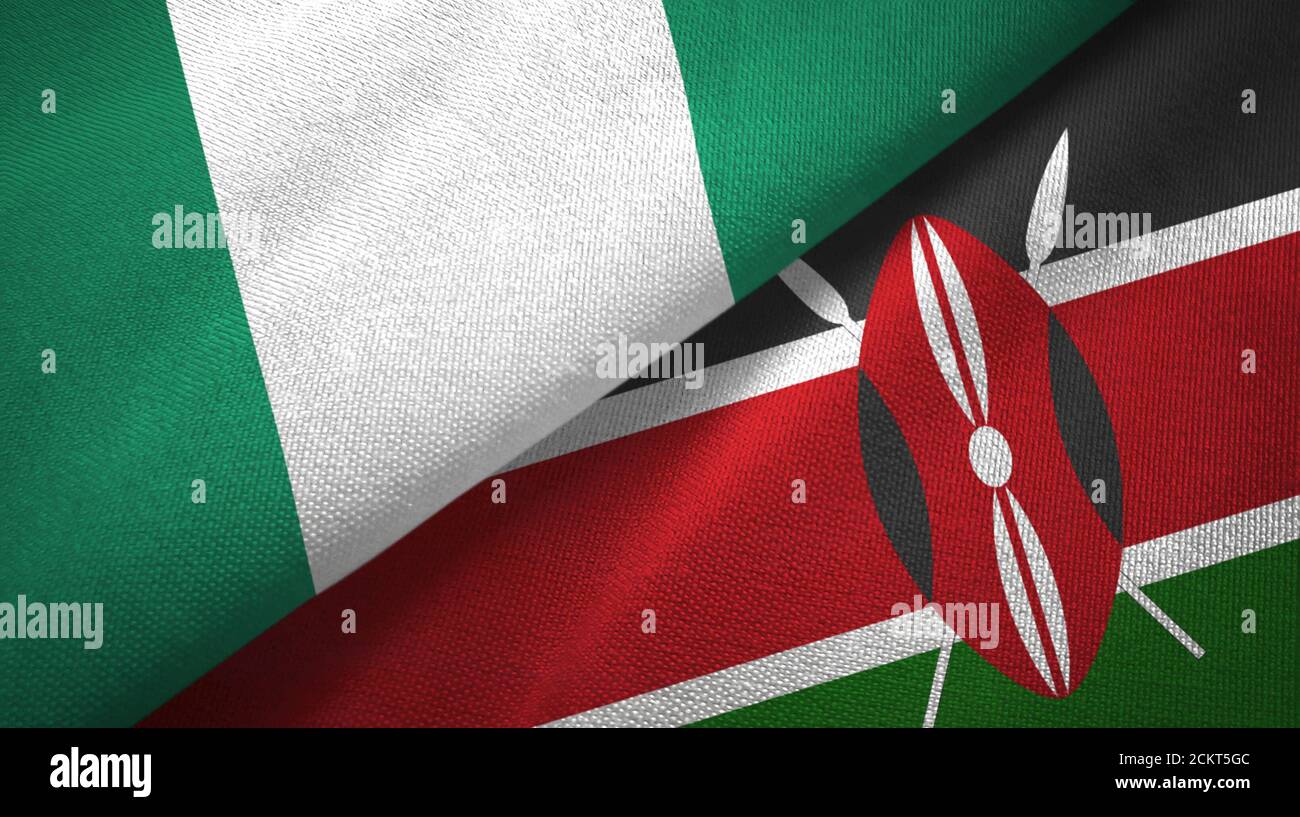
This is not the first time Ghana has faced such a crisis. Since early April, xenophobic attacks in South Africa have targeted African migrants, including Ghanaians, with reports of harassment, threats, and even violence. The most recent wave of violence has strained diplomatic relations, prompting Ghana to demand that the African Union address the issue at its upcoming summit in Niamey, Niger, scheduled for June 2026. Meanwhile, other African nations like Nigeria and Kenya have also issued travel advisories and begun repatriating their citizens.
In a statement released on May 18, 2026, the African Union Commission condemned the attacks, calling them “a violation of human rights and regional solidarity.” The AU’s Special Envoy for Migration, Amani Abou-Zeid, urged South Africa to take “decisive action” to protect African migrants. However, the situation remains volatile, with reports from the United Nations High Commissioner for Refugees (UNHCR) indicating that at least 12 African migrants, including three Ghanaians, have been killed in the latest wave of violence since May 10.
The Human Toll: Ghanaians Left Waiting
For many Ghanaians in South Africa, the delay has been a source of frustration. One barber, who had traveled to O.R. Tambo International Airport on Wednesday night in anticipation of the evacuation, found no officials or fellow travelers. “I even came to sleep at the airport so I could get a chance for the flight,” he told Newzroom Afrika. “But since I came here, I haven’t found anybody.” His story reflects the uncertainty faced by hundreds of Ghanaians who had hoped to return home amid the violence.
The barber, who operates a barbershop in Johannesburg and renews his asylum permit every three months, said he decided to join the evacuation after the Ghanaian government announced plans to repatriate citizens. “When the Ghana government said they would carry us out because of what’s happening, I decided to join,” he explained. His experience highlights the urgency felt by many Ghanaians who have faced harassment and threats from vigilante groups demanding their departure.
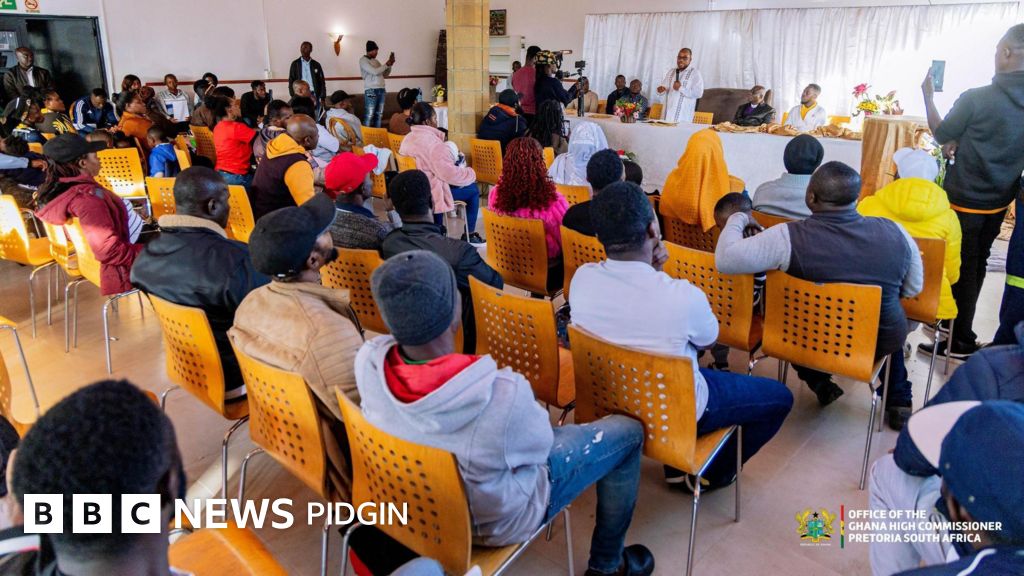
Another evacuee, a university student named Kwame Boateng, shared his frustration with the delay. “I had already packed my bags and taken time off from my studies, only to be told the flight was postponed,” Boateng said in an interview with GhanaWeb. “I’m worried about my safety, but now I’m also worried about my tuition fees and whether I’ll miss my exams.” Boateng, who has been in South Africa for two years, added that he had faced multiple incidents of discrimination, including being denied service at local businesses.
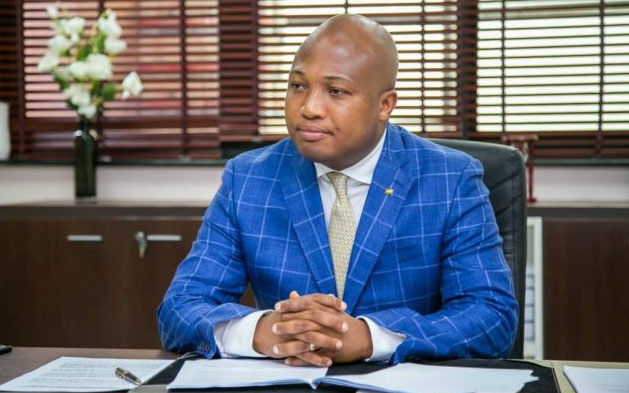
Ghana’s Foreign Ministry has set up a dedicated hotline, 0800-GHANA-1, for citizens seeking assistance. Minister of Foreign Affairs Samuel Ablakwa assured citizens that the government is working around the clock to resolve the logistical issues. “We understand the urgency of the situation, and we are doing everything possible to ensure that our citizens are safely repatriated,” Ablakwa said during a press briefing on May 20. However, some Ghanaians have expressed skepticism, with social media posts circulating under the hashtag #GhanaEvacuationCrisis highlighting the lack of clear communication from authorities.
In the meantime, the Ghanaian High Commission has advised citizens to avoid traveling to affected areas and to stay in contact with local officials. The commission has also partnered with local NGOs, including the Africare Foundation, to provide temporary shelter and support for those waiting for evacuation.
South Africa’s Xenophobic Crisis: A Broader Context
The violence targeting African migrants in South Africa is not new. Periodic outbreaks of xenophobic attacks have occurred over the years, often fueled by economic frustrations, unemployment, and tensions over service delivery. South Africa’s Ministry of International Relations and Cooperation has acknowledged that undocumented migration exacerbates these tensions, with employers sometimes favoring cheaper labor from illegal migrants. However, the current wave of violence has drawn international condemnation, including from Ghana, which has demanded action from the African Union.
South Africa’s government has condemned the attacks, but the crisis has strained diplomatic relations with neighboring countries. Nigeria, for instance, summoned South Africa’s High Commissioner in Abuja, Babatunde Olugboji, on May 15 and demanded an investigation into the death of two Nigerian citizens allegedly killed by Pretoria’s security forces last month. The Nigerian government also announced the immediate repatriation of 200 of its citizens from South Africa, citing “escalating insecurity.”
Kenya has taken similar steps, issuing a travel advisory urging its citizens to take precautions and avoid hostile areas. The Kenyan High Commission in Pretoria has also opened a 24-hour hotline for its nationals in distress. Meanwhile, the Zimbabwean government has recalled its ambassador to South Africa, Ambassador Tonderai Ndlovu, for consultations amid rising tensions.
In response, South Africa’s President, Cyril Ramaphosa, addressed the nation on May 19, condemning the violence and announcing a crackdown on illegal migration. “The government will take all necessary measures to ensure the safety of all residents, regardless of their nationality,” Ramaphosa stated. However, critics argue that the government’s response has been slow and inadequate, with reports from the South African Human Rights Commission indicating that police have failed to protect many migrants from mob violence.
A recent report by the United Nations highlights that xenophobic violence in South Africa has displaced over 5,000 African migrants since January 2026. The report also notes that the majority of victims are from Ghana, Nigeria, and Somalia, with women and children being particularly vulnerable.
What Comes Next: Evacuation Plans and Uncertainty
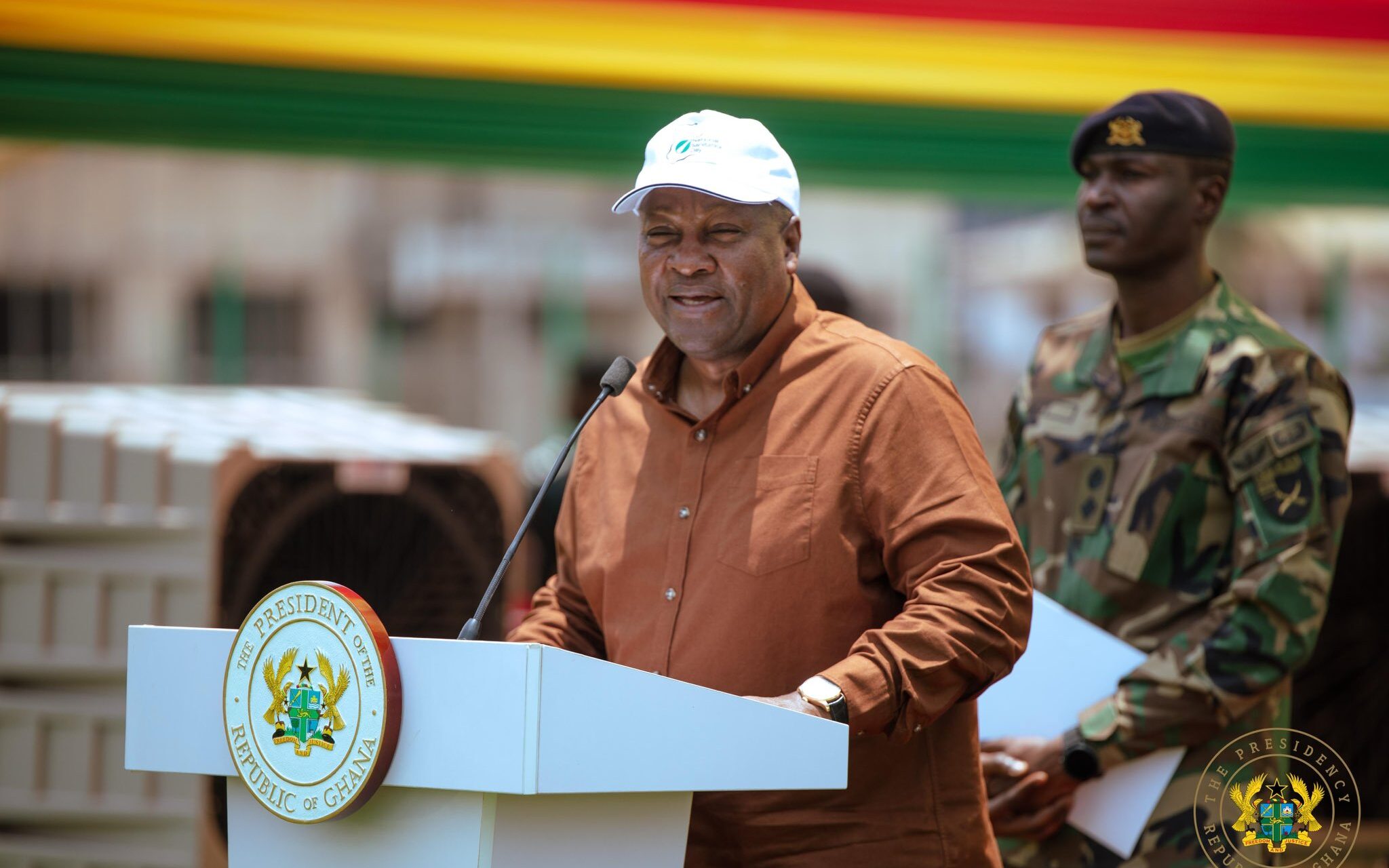
While the evacuation has been postponed, Ghana’s Foreign Ministry has assured citizens that their safety remains a priority. “The welfare and safety of all Ghanaians is a non-negotiable priority of the Mahama Administration,” Minister of Foreign Affairs Samuel Ablakwa said in a statement. He added that the government would continue to provide updates as arrangements progress. The first batch of 300 Ghanaians was originally set to depart on Thursday, but the delay means no new date has been announced.
The postponement also raises questions about the broader impact on Ghana’s diaspora in South Africa. With over 800 Ghanaians now registered for evacuation, the government faces the challenge of coordinating with South African authorities to ensure a safe and orderly return. The Ghanaian High Commission has begun verifying documentation for all registered citizens, a process that is expected to take at least three additional days.
In the meantime, the humanitarian crisis continues, with reports of harassment and threats against African migrants, including Ghanaians, persisting in some communities. The International Committee of the Red Cross (ICRC) has expressed concern over the lack of safe havens for migrants in affected areas. “We are seeing a growing number of migrants seeking refuge in overcrowded shelters, which poses significant health risks,” said ICRC spokesperson Pierre Krähenbühl in a statement.
For now, Ghanaians like the barber who spent the night at the airport remain in limbo, waiting for a resolution that may take days—or even weeks—to materialize. The delay underscores the complexities of repatriating citizens amid a humanitarian crisis, where legal requirements and diplomatic negotiations often take precedence over immediate needs.
Ambassador Kwame Addo of the Ghanaian High Commission acknowledged the challenges but reiterated the government’s commitment. “We are working tirelessly with South African authorities to resolve these issues,” Addo said. “Our priority is to ensure that every Ghanaian who wishes to return home does so safely and without further delay.”
Key Takeaways: What This Means for Ghana and South Africa
1. Diplomatic Tensions Escalate: Ghana’s demand for the African Union to address xenophobic attacks reflects growing frustration with South Africa’s handling of the crisis. The postponement of the evacuation also signals the challenges of coordinating large-scale repatriations amid legal and logistical hurdles. South Africa’s response has been criticized by regional leaders, with calls for a unified approach to address the root causes of xenophobia.
2. Humanitarian Concerns Persist: The delay has left hundreds of Ghanaians in a state of uncertainty, with some facing continued harassment. The government’s assurance of safety must now be matched with concrete action to avoid further distress. Reports from local NGOs indicate that some Ghanaians have resorted to hiding in safe houses due to the ongoing threats.
3. Broader Regional Impact: The crisis has prompted other African nations, including Nigeria and Kenya, to take similar steps to repatriate their citizens. This could further strain South Africa’s diplomatic relations and highlight the need for a coordinated regional response. The African Union’s upcoming summit in Niamey is expected to address the issue, but no concrete solutions have been proposed yet.
4. Legal and Logistical Challenges: The postponement underscores the complexities of evacuating citizens from a foreign country, where legal requirements, flight permits, and coordination between governments play a critical role in the process. South Africa’s immigration protocols, while necessary, have slowed the repatriation efforts, leaving many Ghanaians in limbo.
As the situation unfolds, the focus remains on ensuring the safe return of Ghanaians while addressing the root causes of xenophobic violence in South Africa. The delay may buy time for negotiations, but it also raises questions about how long the humanitarian crisis will continue to affect African migrants in the region. The Ghanaian government has pledged to keep citizens informed through regular updates and the dedicated hotline, but the uncertainty persists for those waiting to return home.
