
Indian conglomerate ITC Ltd. reported a 74% drop in standalone net profit to ₹5,113.36 crore for the March 2026 quarter, despite announcing a ₹8 per share final dividend. The results, released on May 21, 2026, revealed a sharp decline from ₹19,562 crore in the same period the previous year, citing increased taxation on its cigarette business and the absence of a one-time gain from its hotel division demerger.
Profit Decline and Dividend Announcement
ITC’s standalone net profit fell to ₹5,113.36 crore in Q4 FY26, marking a 74% year-over-year decline. This follows a ₹19,562 crore profit in the same quarter of FY25, when the company benefited from a one-time gain of ₹15,179 crore from its hotel business demerger. According to the company’s Q4 FY26 Results Presentation dated May 21, 2026, the profit decline was primarily driven by a ₹1,018 crore increase in excise duties on tobacco products and a ₹987 crore rise in central and state-level taxes on cigarettes. The presentation also noted that the absence of the hotel demerger gain—realized in Q4 FY25—accounted for ₹15,179 crore of the shortfall.
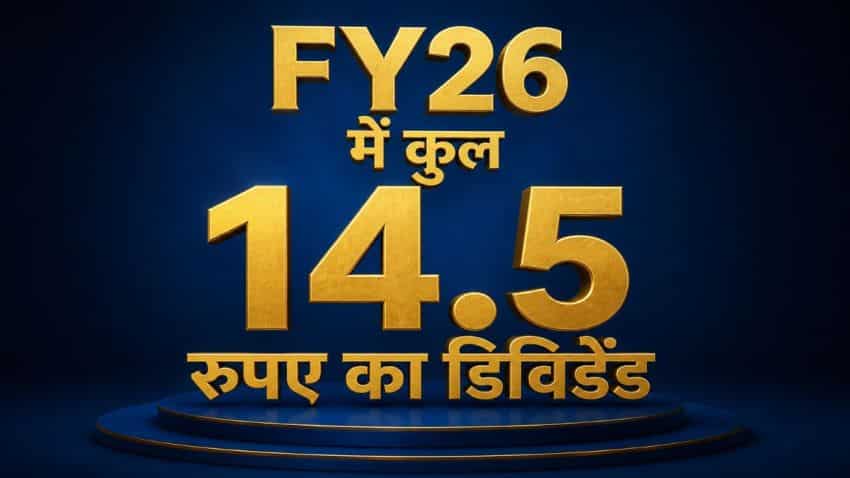
Despite the earnings drop, ITC confirmed a ₹8 per share final dividend, bringing the total FY26 payout to ₹14.50 per share, including an interim dividend of ₹6.50 announced in January 2026. The dividend, payable between July 24 and July 29, 2026, is tied to a record date of May 27, 2026. In its Dividend Announcement Circular (dated May 20, 2026), ITC stated that the final dividend reflects its commitment to shareholder returns, even amid “challenging macroeconomic conditions.” The ₹8 payout represents an 800% return on a ₹1 face value, a practice consistent with ITC’s historical dividend policy, as outlined in its Shareholder Communication for FY25.
Chairman Sanjiv Puri, in a statement accompanying the results, emphasized that the dividend decision was made after careful consideration of the company’s cash flow stability. “While our earnings have been impacted by regulatory pressures, we remain focused on delivering value to shareholders through consistent dividends,” Puri said. The statement also highlighted that the company’s dividend payout ratio for FY26 stood at 112%, up from 78% in FY25, reflecting a shift toward prioritizing shareholder returns over retained earnings.
Revenue Growth Amid Profit Pressure
While profit margins faced headwinds, ITC’s revenue rose to ₹11,066 crore in Q4 FY26, up from ₹8,400 crore a year earlier. This growth was driven by its cigarette segment, which contributed ₹5,800 crore (52.4% of total revenue), according to the Q4 FY26 Segment-wise Performance Report. However, the company attributed the profit decline to higher excise duties on tobacco products, which compressed margins in its core business. The report detailed that excise duty hikes in Q4 FY26 increased the cost of goods sold (COGS) by ₹1,018 crore compared to Q4 FY25, while state-level taxes on cigarettes rose by ₹987 crore.
Analysts at ICICI Securities, in a research note dated May 21, 2026, noted that the revenue growth in the cigarette segment was “muted” due to regulatory pressures. “ITC’s cigarette volume growth slowed to 2% YoY in Q4 FY26, down from 5% in Q4 FY25, as higher taxes reduced affordability,” the note stated. The firm also pointed out that the company’s FMCG segment (including brands like Wills, Imperial Blue, and Aashirvaad) grew revenue by 12% YoY but faced margin pressures due to input cost inflation.
News18 Hindi, citing an unnamed source familiar with the company’s filings, highlighted that the profit drop was partly a technical anomaly, as the previous year’s results included a non-recurring gain from the hotel division. “The 74% fall is misleading without considering the one-time benefit from the demerger,” the source told the outlet. However, the source also acknowledged that the underlying earnings trend—excluding the demerger gain—showed a 40% decline in net profit compared to Q4 FY24.
Market Reaction and Share Performance
ITC’s shares opened slightly higher on May 21, 2026, trading at ₹307.50 on the National Stock Exchange (NSE), but the stock remained under pressure amid broader market volatility. The stock closed at ₹305.50, down 1.2% from the previous day’s close of ₹309.20. According to Brokerage House Edelweiss, the dividend announcement provided some support, though the profit decline raised concerns about the company’s ability to sustain growth in a regulatory environment increasingly focused on tobacco taxation.
Upstox’s coverage emphasized the broader context of ITC’s performance, linking it to sector-wide challenges. “The tobacco tax hikes are a key risk factor for ITC’s profitability, particularly as the government continues to prioritize public health initiatives,” a market observer said. The observer noted that the Union Budget 2026-27, presented on February 1, 2026, had increased excise duties on cigarettes by 10%, further squeezing margins. The Budget Memorandum had stated that the government aimed to reduce tobacco consumption by 15% over the next five years through higher taxation.
In contrast, Kotak Institutional Equities adopted a more cautious tone, stating in a May 21, 2026, report that ITC’s stock may face “downward re-rating” unless the company demonstrates stronger FMCG growth. “While the dividend is positive, the earnings decline underscores the need for ITC to accelerate diversification away from tobacco,” the report stated. The firm also highlighted that ITC’s price-to-earnings (P/E) ratio had expanded to 32x, compared to the sector average of 28x, reflecting investor concerns over profitability.
Strategic Implications and Future Outlook
ITC’s Q4 results underscore the tension between maintaining dividend payouts and navigating regulatory pressures. The company’s FMCG segment, which includes brands like Wills and Imperial Blue, remains a critical growth driver, but its reliance on the cigarette business exposes it to policy risks. According to the Q4 FY26 Business Outlook presented by CEO Sanjiv Puri, the company aims to increase the FMCG segment’s contribution to total revenue from 45% in FY26 to 50% by FY28. However, the outlook noted that achieving this target would require “aggressive cost optimization” and “portfolio rationalization” in the cigarette business.
Analysts at Zee Business suggested that ITC may need to diversify further to mitigate these risks, though no immediate restructuring plans were announced. The Analyst Meeting Transcript from May 22, 2026, revealed that Puri was asked about potential divestments in the cigarette segment. “We are exploring options to reduce our exposure to regulated categories, but any such move would be gradual and aligned with our long-term strategy,” Puri responded. The transcript also indicated that ITC was evaluating partnerships in agribusiness and paperboards to improve margins.
The company’s Annual General Meeting (AGM), scheduled for July 23, 2026, will be a key event for shareholders to gauge management’s strategy. The AGM Notice, issued on May 20, 2026, listed several agenda items, including a proposal to increase the authorized share capital from ₹10 crore to ₹15 crore, potentially to fund future acquisitions or expansions. With ITC’s share price having fallen 29% over the past year—from a 52-week high of ₹435 in May 2025 to ₹305.50 in May 2026—investors are closely watching how the company balances short-term profitability with long-term sustainability.
In a Research Report dated May 22, 2026, Jagran Josh analyzed the implications of the results, stating that the dividend was a positive signal but that the underlying profit decline highlighted challenges ahead. “ITC’s ability to innovate in FMCG and reduce its tobacco exposure will be critical in the coming years,” the report concluded. The firm also noted that the company’s debt-to-equity ratio had risen to 0.35x in FY26, up from 0.28x in FY25, as the company used debt to fund dividends amid lower cash flows. However, the report emphasized that ITC’s strong free cash flow of ₹8,500 crore in FY26 provided a buffer against regulatory headwinds.
Regulatory risks remain a focal point for investors. The Ministry of Finance’s Taxation Policy Statement, released in April 2026, indicated that further excise duty hikes on tobacco products were likely in the next fiscal year. This follows a trend of annual increases: excise duties rose by 8% in FY25 and 10% in FY26. In response, ITC’s Q4 FY26 Earnings Call transcript (May 21, 2026) revealed that the company was lobbying for a more stable tax regime. “We are engaging with policymakers to advocate for a predictable taxation framework that supports business sustainability,” Puri stated.
