
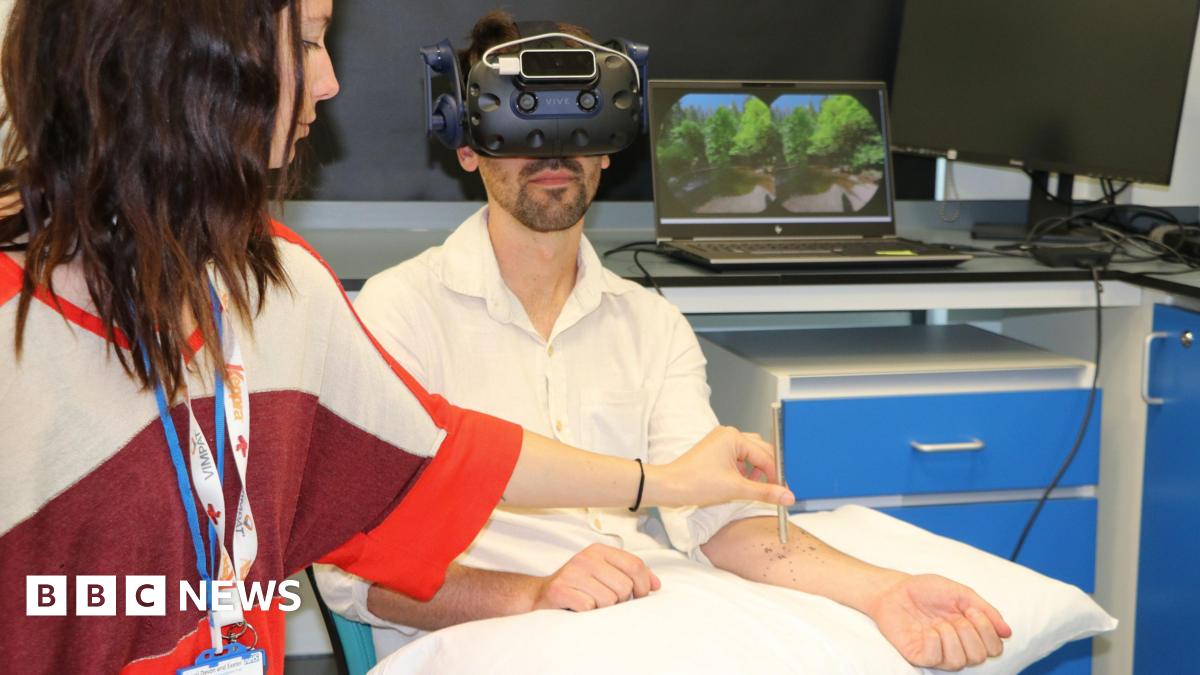
Can virtual reality really offer a new approach to pain relief? this article dives into the innovative world of VR and pain management, exploring how immersive experiences are being used to alleviate discomfort and improve well-being. Discover the therapeutic benefits, real-world examples, and future trends shaping the use of VR for pain management.
VR and the Future of Pain Management: Beyond the Festival
Table of Contents
The convergence of virtual reality (VR) and pain management is no longer a futuristic fantasy. It’s a burgeoning field with real-world applications, as demonstrated by the Glastonbury Festival’s immersive experiences. This article delves into the potential of VR to alleviate pain, exploring its therapeutic benefits and future trends.
The Psychological Power of Immersion
The core concept is simple: pain is, in part, a psychological construct. By immersing individuals in calming environments, such as forests, mountains, and lakes, VR can help to reduce the perception of pain. This approach leverages the brain’s plasticity and its ability to be influenced by sensory input.
Did you know? Studies have shown that exposure to nature can lower stress hormones and promote a sense of well-being, which can indirectly reduce pain perception.
VR as a Therapeutic Tool: Beyond Entertainment
While “real nature is always going to be the gold standard,” VR offers a readily accessible option. It can deliver some of the beneficial therapeutic effects of nature at home or in clinical settings. This is particularly valuable for individuals with chronic pain, who may have limited mobility or access to natural environments.
Pro tip: Look for VR experiences that incorporate elements of mindfulness and guided meditation to maximize their pain-relieving potential.
Real-World Examples and Case Studies
The Glastonbury Festival’s initiative, “Brainwaves and birdsong,” is a prime example of how VR is being used to engage the public and explore its therapeutic potential.This project, funded by the Chronic Pain Neurotechnology Network, brings together scientists, artists, and musicians to create immersive experiences.
Case Study: Research at various institutions is exploring the use of VR for managing pain related to burns, cancer treatment, and other conditions. Early results are promising, with many patients reporting meaningful reductions in pain levels during VR sessions.
Future Trends: What to Expect
The future of VR in pain management is radiant. We can anticipate:
- More Sophisticated VR Experiences: Expect higher-resolution visuals, more realistic haptic feedback (the sense of touch), and personalized experiences tailored to individual needs.
- Integration with Other Technologies: VR will likely be combined with other technologies, such as biofeedback sensors, to provide a more holistic approach to pain management.
- Wider Accessibility: As VR technology becomes more affordable and user-friendly, it will become more accessible to a wider range of patients.
- Increased Research: More research will be conducted to understand the mechanisms by which VR reduces pain and to optimize its effectiveness.
addressing the Challenges
While the potential of VR in pain management is significant, there are challenges to consider:
- Cost: High-quality VR equipment can be expensive, which may limit access for some individuals.
- Motion Sickness: Some users may experience motion sickness or other side effects.
- Content Development: Creating effective and engaging VR experiences requires specialized skills and resources.
Frequently Asked Questions
Q: Is VR a replacement for conventional pain medication?
A: VR is not intended to replace traditional pain medication but can be a valuable complementary therapy.
Q: Who can benefit from VR for pain management?
A: VR may be helpful for individuals with chronic pain, acute pain, and pain related to medical procedures.
Q: Are there any risks associated with using VR for pain management?
A: Some users may experience motion sickness or other side effects. It’s critically important to consult with a healthcare professional before using VR for pain management.
Q: How can I find VR experiences for pain management?
A: Look for VR programs developed by healthcare professionals or reputable companies specializing in therapeutic VR.
Q: Will AI play a role in VR pain management?
A: AI could personalize VR experiences, analyze patient data, and optimize treatment protocols [[1]].
Q: Can VR replace human employees?
A: While AI can enhance productivity, it may also lead to the replacement of human employees [[2]].
Conclusion
VR is poised to revolutionize pain management, offering a non-pharmacological approach with the potential to considerably improve the quality of life for millions of people. As technology advances and research continues,we can expect even more innovative and effective applications of VR in the years to come.
What are your thoughts on the future of VR in healthcare? share your comments below!
