
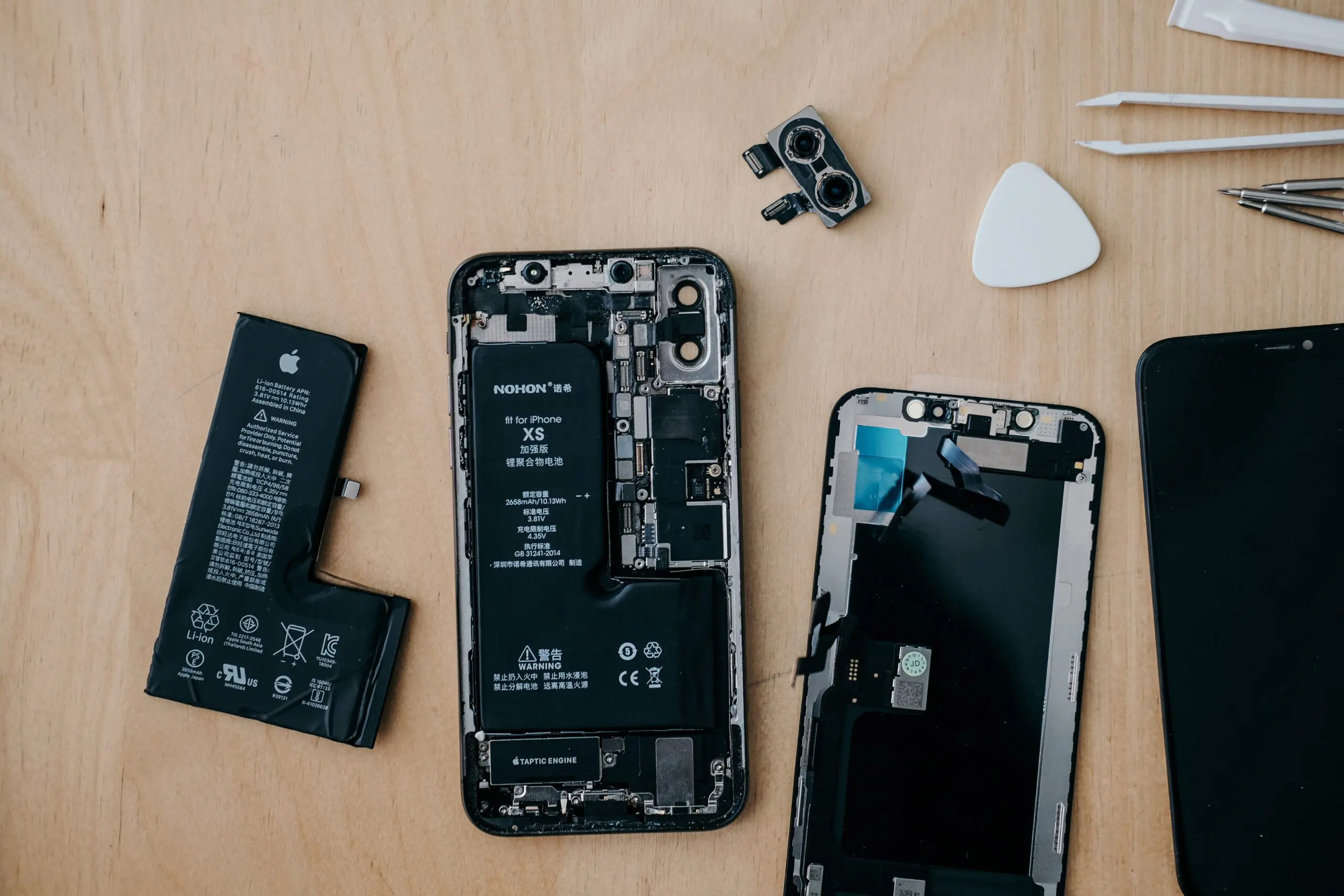
New EU battery regulations set to take effect in February 2027 will not enable easy battery swapping for most modern smartphones, despite earlier hopes that the rules would simplify repairs and extend device lifespans.
The legislation, formally known as Regulation (EU) 2023/1542, aims to make portable batteries easier to remove and replace without specialized tools or heat. However, a key exception in the definition of “removable” excludes devices with water and dust resistance ratings above IPX5.
Which means high-end models like the upcoming iPhone 17 or future Galaxy S26 series, which typically carry IP68 ratings for superior water resistance, will not benefit from the rule’s core requirements. Manufacturers can still apply adhesives and proprietary screws in these devices, as the application of heat to loosen seals falls outside the regulation’s strict criteria for easy replacement.
According to analysis by 9to5Google, the loophole allows nearly all current flagship smartphones to bypass the intended spirit of the law. While the regulation does require manufacturers to consider repairability during the design phase, the IP-rating exemption creates a significant workaround for premium devices built to withstand harsh environments.
The rules officially come into force on February 17, 2027, marking the culmination of a framework that began in August 2023 when the regulation replaced the outdated Battery Directive 2006/66/EC. Beyond removability, the legislation includes binding targets for carbon footprint disclosure, recycling efficiency, and the introduction of digital battery passports for larger batteries used in electric vehicles and industrial systems.
For consumer electronics, the practical impact remains limited. Users seeking to replace batteries in modern smartphones will likely still necessitate professional assistance or specialized tools, undermining expectations that the EU rules would usher in a new era of user-friendly, tool-free battery swaps reminiscent of early Android devices like the Samsung Galaxy S5.
