
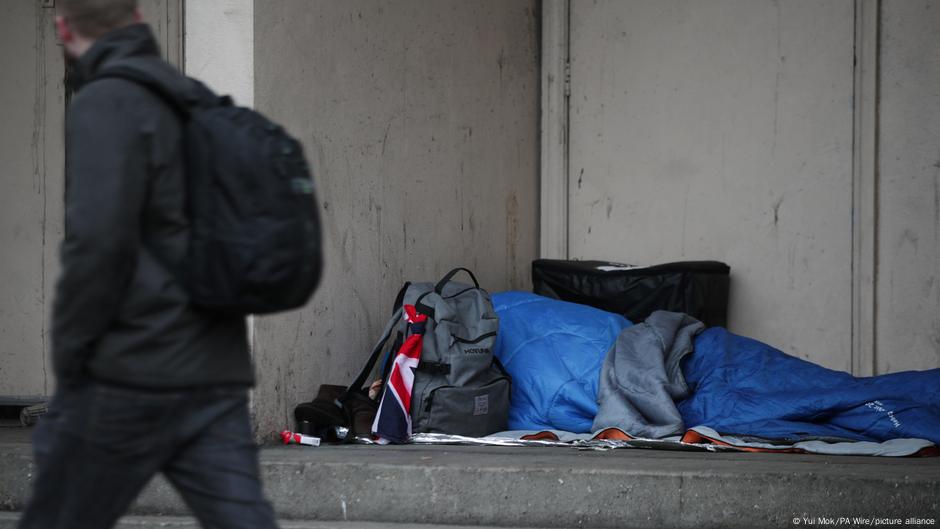
EU Faces “Worrying” Rise in Homelessness, Jeopardizing 2030 Goal
A new report released today reveals a concerning increase in homelessness across the European Union, potentially derailing efforts to end the crisis by 2030 and raising concerns about social inequality.
The report, published by the European Federation of National Associations on homelessness (Feantsa), highlights that while the EU has set an ambitious target, progress is being hampered by rising housing costs and a shifting political landscape. Germany currently reports 531,600 people without permanent shelter, a figure encompassing those staying with friends and family, while the Czech Republic has the highest proportion of homeless individuals relative to its population, with over 230,000 affected. Rising homelessness is also being observed in Finland, Denmark, and Ireland.
Researchers found that median rent in major European cities – including Berlin, Madrid, Rome, Paris, Amsterdam, and Dublin – now exceeds €31.50 per square meter, forcing low-income households to spend over 33% of their income on housing. “The picture is quite complicated because the data quality and scope varies enormously, but the report gives us that kind of headline that homelessness is a substantial and worsening problem in the European Union,” said Feantsa deputy director Ruth Owen. Data collection remains a challenge, with some countries like Bulgaria and Croatia lacking sufficient up-to-date information, and analysts suggest underreporting is common. You can learn more about the challenges of affordable housing at the United Nations website.
Experts express skepticism about meeting the 2030 deadline, citing a trend toward policies that favor middle-class housing over support for the most vulnerable. Richard Rosenberger, a social worker with Germany’s largest welfare organization Caitas, stated, “I don’t see that happening by 2030…the problem is becoming more pressing than ever.” A political shift to the right in some EU nations is also contributing to the rollback of measures designed to address the growing housing crisis, as seen in recent increases in homelessness figures in Finland. For more information on the EU’s social policies, see the European Commission’s social affairs page.
Officials at Feantsa say they will continue to advocate for policies that prioritize the needs of low-income households and improve data collection to better understand the scope of the problem and inform effective interventions.
