
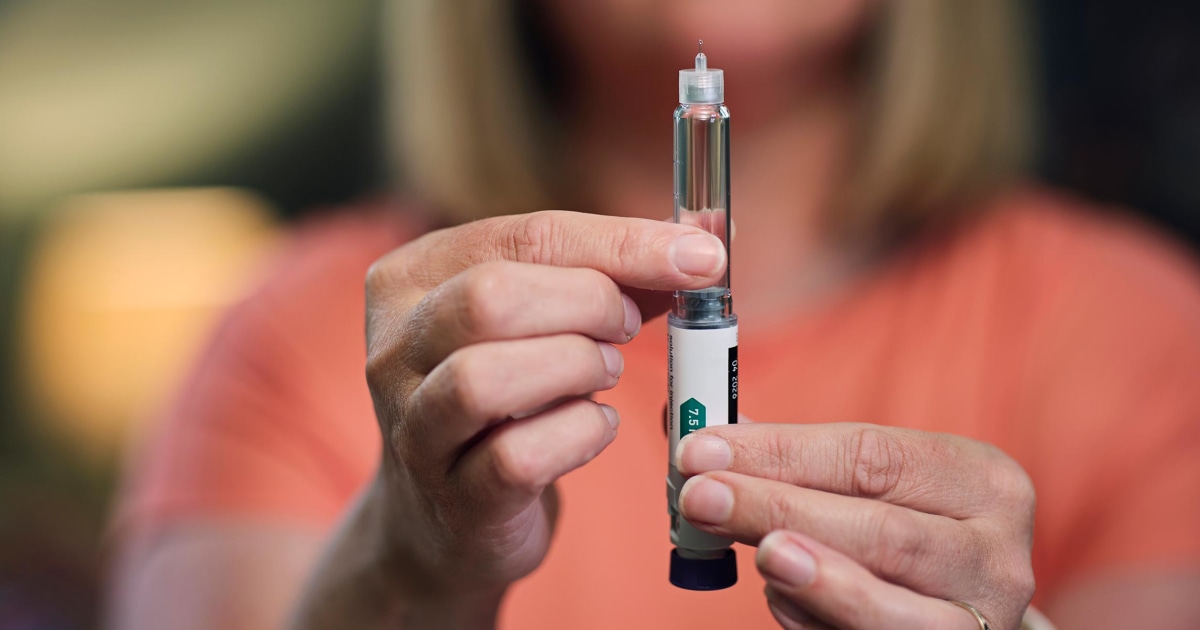
Microdosing GLP-1 Weight Loss Drugs Gains Traction, Sparks Medical Debate
A growing trend of microdosing GLP-1 medications, originally designed for diabetes management, is gaining popularity as a weight-loss strategy, though medical professionals remain divided on its safety and efficacy.
Celebrity endorsements have fueled interest in the practice, with Bravo TV host Andy Cohen reporting “a good chunk of weight” loss over the summer and actor Rebel Wilson stating microdosing helps her maintain weight loss achieved through diet and exercise. Wilson, now a chief wellness ambassador for Noom, utilizes the platform’s microdose GLP-1 program launched in August, which has already enrolled over 10,000 participants. Noom’s program offers semaglutide starting at 0.2 milligrams, significantly lower than the FDA-approved maximum dose of 2.4 milligrams. The increasing demand for these drugs has led to supply chain issues in the past, highlighting the need for careful consideration of access and appropriate use.
However, some physicians express strong reservations. Dr. Christopher McGowan, a physician triple board certified in internal medicine, gastroenterology and obesity medicine, described microdosing programs as a “complete Wild West,” while Dr. Shauna Levy, medical director of Tulane University’s Bariatric and Weight Loss Center, stated there is “no evidence microdosing works for weight loss.” Both doctors categorize the practice as “experimental.” Concerns center around the use of compounded drugs, which receive less FDA oversight, and potential risks of muscle loss with lower BMIs. Novo Nordisk, the manufacturer of Wegovy and Ozempic, cautioned against misuse of their products, emphasizing the importance of adhering to approved dosages. You can learn more about GLP-1 receptor agonists from the National Institute of Diabetes and Digestive and Kidney Diseases.
Noom’s program costs $119 for the first three weeks and $199 monthly, offering a lower-cost alternative to Wegovy’s $1,349 monthly list price. While proponents suggest lower doses may reduce side effects like nausea and diarrhea, doctors caution that side effects can occur at any dosage and that stopping or interrupting therapy could lead to weight regain and negative health consequences. Noom’s Dr. Jeffrey Egler points to preliminary research suggesting benefits at lower doses, but acknowledges the need for further study. For more information on weight management, visit the Centers for Disease Control and Prevention.
Medical experts urge caution and emphasize the importance of consulting with a healthcare professional before considering GLP-1 microdosing, stressing the lack of clinical trial data supporting its safety and efficacy.
