
As gold prices reached historic highs at the close of 2025, central banks worldwide continued to bolster thier reserves of the precious metal, a trend reflecting global economic uncertainty and geopolitical tensions. The United States remains the dominant holder with over 8,133 tons, a figure highlighting its financial power and the enduring appeal of gold as a stable store of value. This report details the gold reserve holdings of major economies, and also emerging trends in latin America, where nations are increasingly turning to gold to diversify assets and mitigate risk.
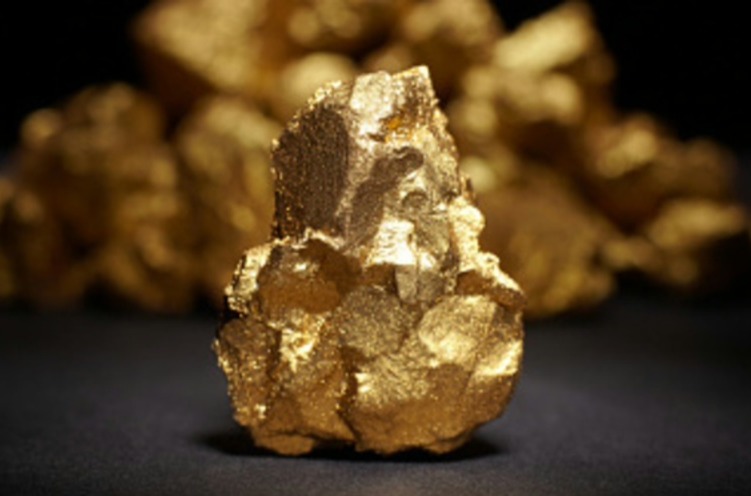
Foto: iStock
Gold closed out 2025 at historic highs, a performance driven by a combination of factors including a weakening dollar and increased investor demand for safe-haven assets amid ongoing market volatility and geopolitical tensions. The precious metal’s resilience comes as global markets navigated a turbulent year, marked by uncertainty and shifting economic conditions.
Unlike fiat currencies, gold retains its purchasing power even during periods of severe economic crisis, a key characteristic that underpins its enduring appeal. Beyond its role as a store of value, consistent demand from the high-precision electronics and jewelry sectors further contributes to its stability.
Central banks worldwide recognize this dynamic and utilize gold as a solid backing for their national economies. The World Gold Council (WGC), using data from the International Monetary Fund (IMF), closely tracks central bank holdings, revealing a concentration of global supply among a select group of nations.
Ranking of Countries with the Largest Gold Reserves
The United States remains the clear leader in gold reserves, holding 8,133 tons in the vaults of its Federal Reserve – more than double the amount held by the next largest holder. This substantial reserve underscores the U.S.’s continued economic influence and its commitment to maintaining a strong financial foundation.
Here’s a breakdown of gold reserves held by other major economies:
- Germany holds the second-largest global reserve with 3,350 tons.
- Italy reports 2,451 tons.
- France maintains 2,437 tons.
- Russia possesses 2,329 tons.
- China declares a reserve of 2,303 tons.
- India holds 880.18 tons.
- Japan has 845.97 tons.
- Turkey, with 641.28 tons, the Netherlands with 612.45 tons, and Poland, which has increased its holdings to 515.34 tons, also feature on the list of nations with significant reserves.
The Situation in Latin America
Several Latin American countries are actively building their gold reserves to bolster financial stability, according to Valora Analitik, though their holdings remain smaller compared to European or Asian powers. This trend reflects a broader effort to diversify assets and mitigate risk in a volatile global economic landscape.
As of the third quarter of 2025, Brazil leads the regional list with 145.14 tons of gold. Mexico follows with 120.14 tons in its international reserves. Argentina ranks third with 61.74 tons, while Guatemala completes this prominent group with 13.02 tons of the precious metal.
Why Countries Buy Gold
The accumulation of this resource by states isn’t driven by aesthetic preference, but by a need for diversification. In times of uncertainty, when confidence in fiat currencies may falter, gold acts as a hedge.
Because it doesn’t rely on the solvency of any single government or entity, its liquidity is universal and its acceptance in financial markets is immediate. This “golden refuge” allows nations to navigate external shocks, such as sharp devaluations or international conflicts, with a physical backing that ensures the continuity of their commercial operations and the confidence of their creditors.
