
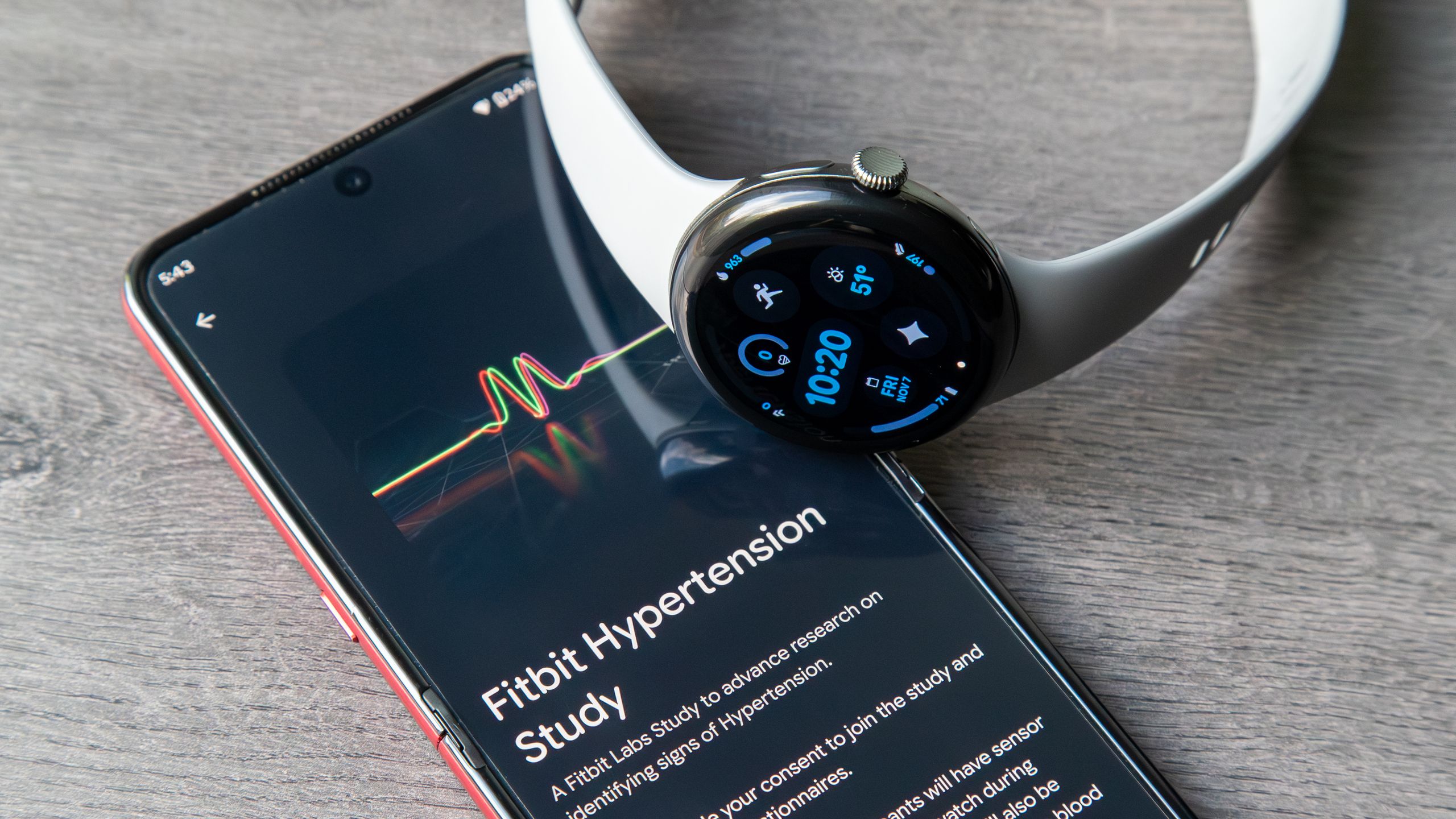
Fitbit Launches Studies to Track Hypertension and Unusual Health Trends
Fitbit has initiated two voluntary research studies, available to users through the Fitbit app, focused on long-term health monitoring and early detection of potential health issues.
The Fitbit Hypertension Lab study, now available to Pixel Watch 3 owners in the United States aged 22 and older, aims to gather data on high blood pressure. Participants may receive a blood pressure cuff to wear for 24 hours alongside their smartwatch, with select volunteers compensated with $25 gift cards. Google is recruiting up to 10,000 participants for the 180-day study, hoping to advance research that could lead to proactive heart health measures for users. This research builds on similar efforts by companies like Apple, who added hypertension alerts to Apple Watches earlier this year.
A second study, “Unusual Trend Detection,” will alert users to significant deviations from their typical health metrics, prompting them to log potential causes and symptoms. Google will then provide “tips for rest and recovery” when users return to their normal patterns. This data collection could help Google refine its Fitbit Personal Health Coach, currently in preview, allowing it to offer more informed insights into health trends. Understanding these trends is crucial as chronic high blood pressure can lead to serious complications like heart attacks and strokes.
To participate, users should tap their profile icon within the Fitbit app and opt-in to allow their data to be used for research and development. Google stated that while the hypertension study may cause a slight, temporary impact on battery life, the watch should still last a full day on a single charge, and emphasized that no medical advice will be provided based on the collected data.
Google plans to use the data gathered from these studies to improve future Pixel Watch features and provide users with more personalized health insights.
What you need to know
- Fitbit has launched two voluntary Labs studies to study your body’s long-term health trends.
- Fitbit Hypertension Lab will look for signs of high blood pressure in Pixel Watch 3 owners, and compensate some volunteers with gift cards.
- Unusual Trend Detection will detect changes in your health and have you “log possible causes and symptoms” for Google’s research study.
- Google is also currently running a public preview for its Fitbit Personal Health Coach.
Google is recruiting “up to 10,000 eligible participants” to wear their Pixel Watch 3 for 180 days, so Google can study your data for signs of hypertension, or high blood pressure, in order to “advance research that could one day help users take proactive steps toward better heart health.”
First spotted back in September by 9to5Google, the Hypertension Study is now available to Pixel Watch 3 owners this week, though not on the Pixel Watch 4 or older models. You must be American, 22 years or older, and fill out a questionnaire in English for eligibility. Google will use your responses to decide whether to include you in the study.
Google also launched a second study this week called “Unusual Trend Detection,” which will give you a “heads-up if your health metrics look different” from normal and “contribute to a research study.”
To find these studies, tap your profile icon in the Fitbit app, agree to “allow your data to be used for research and development,” and then see which Fitbit Labs you’re eligible for.
Sign up for the Fitbit Hypertension Study, and you may be sent a blood pressure cuff, which you’ll be asked to wear for 24 hours in tandem with your smartwatch before sending it back. Google will give this select group $25 gift cards as an incentive; every other participant won’t be compensated.
Google warns that activating the hypertension study will cause a “slight, temporary change in your watch’s battery life,” but “should still last a full day on a single charge.” Evidently, your Watch 3 sensors will be working overtime to detect high blood pressure warning signs, though you won’t be given “any medical advice, analysis, or feedback on your health” based on your data; it’ll only be used for research.
Eventually, Google may use this data so that future Pixel Watches catch warning signs of chronic high blood pressure, which can lead to heart attacks or strokes. Apple Watches added hypertension alerts earlier this year, after collecting “training data from multiple studies totaling over 100,000 participants.”
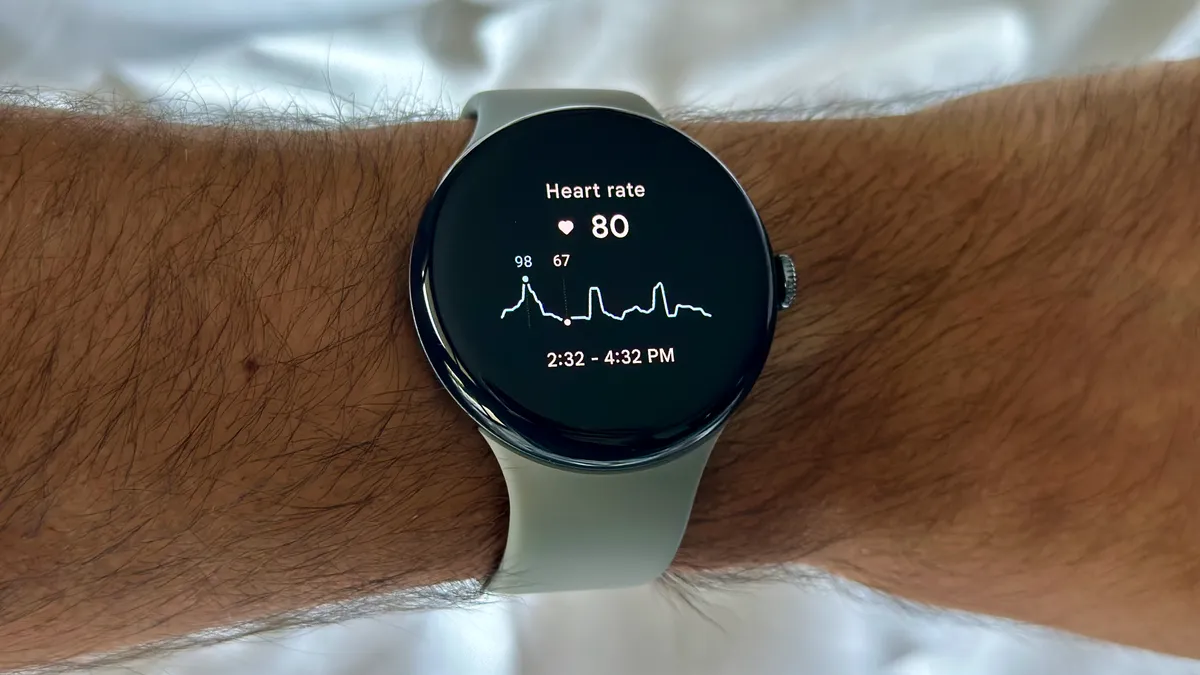
The other study, Unusual Trend Detection, will be a more active experience for participants. Google will notify you directly if it detects abnormal trends and ask you to “log possible causes and symptoms.” It’ll then give you “tips for rest and recovery,” and once you’ve returned to your “typical patterns,” the Fitbit app will let you know.
In theory, Google will be able to build out a database of physiological responses by detecting a specific health trend and then asking you what caused it — such as if you appear more stressed than usual and attribute it to drinking extra coffee.
Google is also in the midst of testing its new Fitbit Personal Health Coach, which gives you “Insights” on your recent health trends and answers questions about health and fitness using your smartwatch data for context. These new Fitbit Labs studies seem to intersect with this goal, as it will allow future versions of the Fitbit Coach to describe possible causes for negative health data — such as hypertension.
