
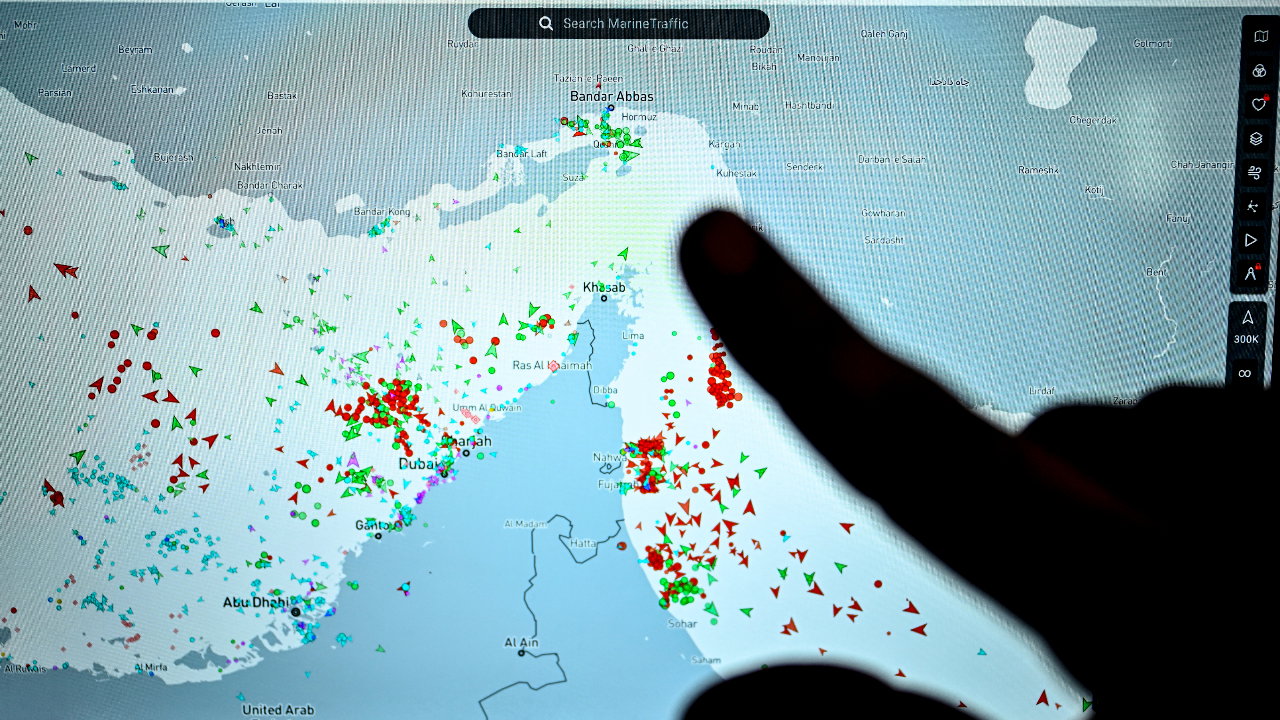
Gulf states are actively exploring the development of a comprehensive pipeline network to bypass the Strait of Hormuz, seeking to mitigate the systemic risks associated with the world’s most critical energy chokepoint. The move comes as regional powers appear to secure energy exports against escalating geopolitical volatility.
According to reporting by the Financial Times, one primary proposal involves the construction of an integrated system of pipelines, roads, and railways. This infrastructure would link the Arabian Peninsula to the Mediterranean Sea via the port of Haifa in Israel, effectively diversifying the routes used to move hydrocarbons to global markets.
Strategic Precedents and the Saudi Model
The push for alternative routes is largely inspired by the operational success of Saudi Arabia’s east-west pipeline. This existing infrastructure transports oil from inland fields directly to the port of Yanbu on the Red Sea, allowing the Kingdom to bypass the Strait of Hormuz entirely. This capability proved to be a significant strategic advantage during recent regional conflicts, prompting other Gulf nations to evaluate similar infrastructure investments to ensure energy security.

The strategic shift toward westward diversion is also a central pillar of the India-Middle East-Europe Economic Corridor (IMEC). Led by the United States, the IMEC project aims to connect India to the Mediterranean through a network of rail, road, and pipeline links. However, a critical hurdle for the project’s full implementation remains the requirement for Saudi Arabia’s formal consent to include the port of Haifa in the transit route.
Long-term Infrastructure vs. Short-term Security
Regional leaders are increasingly viewing the elimination of the Strait’s strategic leverage as a necessity for long-term stability. Israeli Prime Minister Benjamin Netanyahu has identified the diversion of pipelines toward the west as a sustainable solution to the vulnerabilities of the Strait of Hormuz.
“The elimination of the strategic importance of the Strait through alternative infrastructure is a more sustainable approach,” Benjamin Netanyahu, Prime Minister of Israel
While acknowledging that military solutions may provide short-term relief, the shift toward permanent infrastructure underscores a broader effort by Gulf states to gain greater regional control over energy transport and reduce dependence on transit points controlled by adversarial actors.
The drive for these alternatives highlights the ongoing market volatility and the urgent demand for the Gulf states to decouple their economic survival from a single, vulnerable waterway.
