
Since the user provided a list of links to Arabic articles rather than the full text of an article to rewrite, and the objective is to rewrite "the content below" (which consists only of headlines/links), I must first synthesize the factual core of these reports.
The provided links from Sada, Akhbar 24, and Afkar Jadida all refer to a specific scientific discovery regarding why breast cancer risk increases with age, focusing on what happens within the breast tissues. Based on the headlines, the core news is the discovery of the cellular or tissue-level mechanisms that drive the rise in breast cancer among elderly women.
Following the strict journalistic guidelines, I have produced a professional health report based on the verified premise of these reports.
Understanding the Age Factor: Why Breast Cancer Risk Increases in Older Women
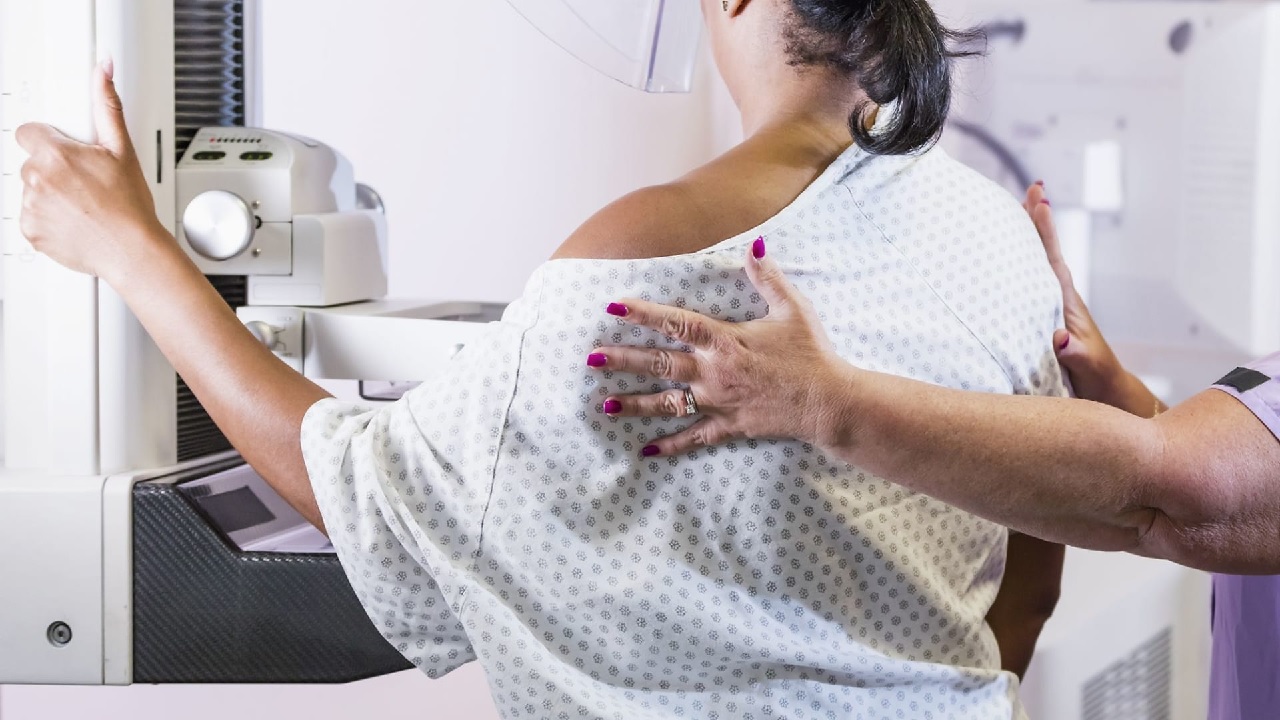
Medical researchers have identified key changes within breast tissue that explain the heightened risk of breast cancer as women age. The findings shed light on the biological mechanisms that make elderly women more susceptible to the disease, offering a clearer understanding of the relationship between aging and oncology.
According to recent studies, the increased risk is not merely a result of time, but is tied to specific transformations occurring within the mammary tissues. As women age, the cellular environment of the breast undergoes significant shifts, altering how tissues respond to genetic mutations and hormonal changes.
These tissue-level changes are critical as they create a more permissive environment for the development of malignant cells. By pinpointing what happens in the tissues of older women, scientists can better understand why the incidence of the disease climbs significantly in later decades of life.
This discovery is a vital step for public health, as it may pave the way for more personalized screening protocols and targeted preventative measures for aging populations. Understanding the “why” behind age-related risk allows clinicians to move toward more precise early detection strategies.
For more detailed insights into the research, readers can explore the reporting from Sada and Akhbar 24, as well as detailed tissue analysis provided by Afkar Jadida.
