

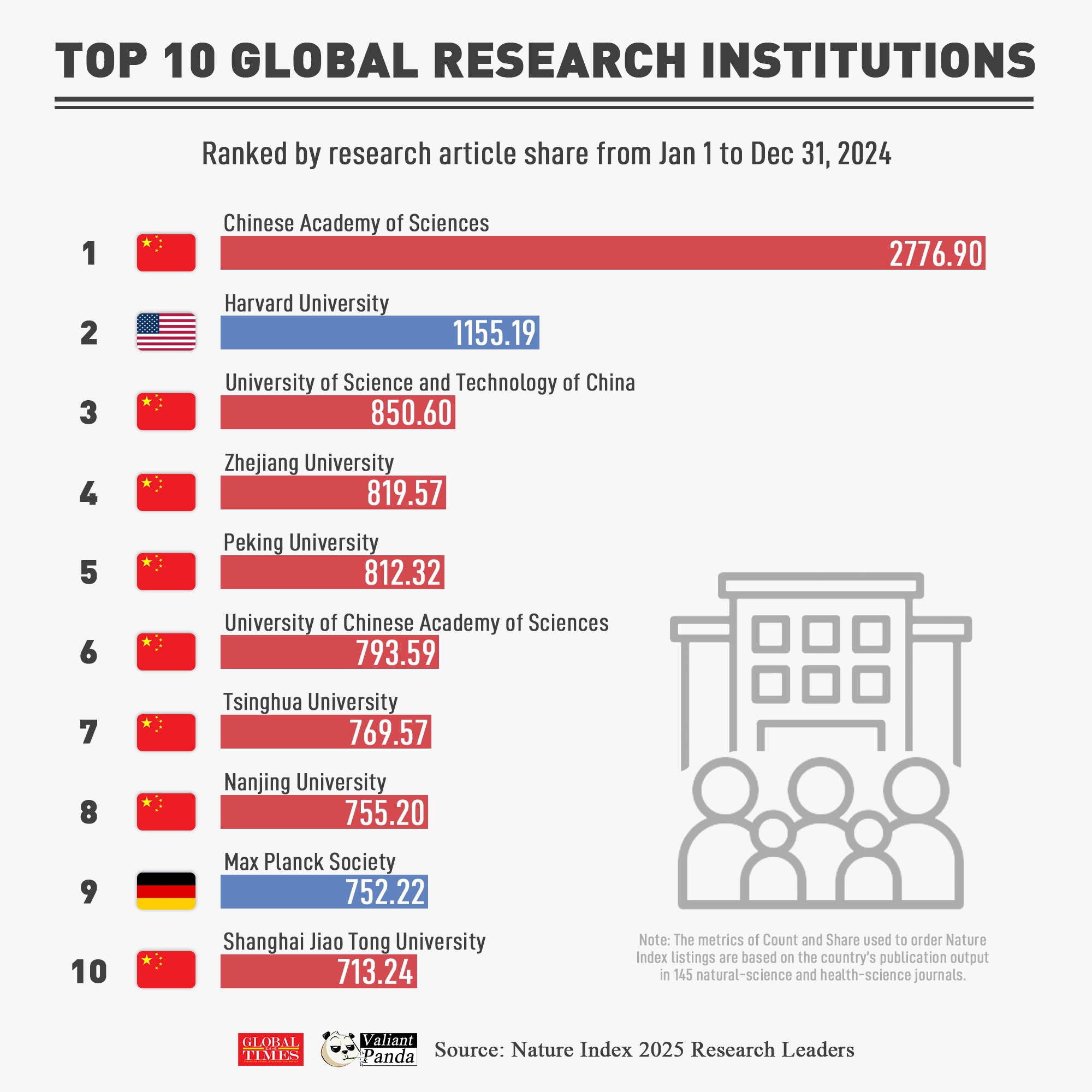
Harvard University remains a prominent private research institution in Cambridge, Massachusetts, with a $55.7 billion endowment as of 2025. While the university is a historic center of higher learning founded in 1636, current data indicates it operates alongside a vast landscape of global academic and research competitors, according to Wikipedia.
Institutional Scope and Academic Structure
Harvard University, established on October 28, 1636, serves as a private Ivy League research institution. According to Wikipedia, the university reported a total student population of 21,189 in the fall of 2024, consisting of 7,038 undergraduates and 14,151 postgraduates. The institution is governed by the Massachusetts General Court and maintains a nonsectarian religious affiliation.
The university’s academic operations are divided into ten faculties, plus the Harvard Radcliffe Institute. These schools include the Harvard Business School, Harvard Medical School, and the Harvard John A. Paulson School of Engineering and Applied Sciences, among others. Undergraduate education is administered by Harvard College, which oversees admissions and student life for the university’s undergraduate division. The structure of these schools allows for a decentralized approach to research and curriculum development, enabling specialized focus within the broader framework of the university.
The university functions as a major research hub, operating under a system where individual faculties hold significant autonomy in managing their respective academic departments and research centers. This model is common among large, comprehensive research universities, which often rely on a mix of federal grants, private donations, and endowment income to sustain high-cost research endeavors in fields like biotechnology, physics, and public policy.
Financial and Faculty Resources
As of the 2025 fiscal year ending June 30, Harvard University operated with a budget of $6.7 billion, according to Wikipedia. The university’s endowment was recorded at $55.7 billion for 2025. These resources support a faculty of approximately 2,400 members, with an additional 10,400 academic appointments held at affiliated teaching hospitals. These teaching hospitals, which include institutions like Massachusetts General Hospital and Brigham and Women’s Hospital, are essential to the clinical research output of the Harvard Medical School.
The university occupies a 209-acre main campus in Cambridge centered on Harvard Yard. Its facilities include an extensive network of libraries, such as the Widener Library and the Houghton Library, as well as multiple museums, including the Harvard Art Museums and the Harvard Museum of Natural History. The library system, often cited as the largest academic library system in the world, is a critical component of the university’s research infrastructure, housing millions of volumes and digital archives that support scholarly work across all disciplines.
Historical Context and Evolution
Harvard was originally named Harvard College in 1639 to honor John Harvard, a Puritan clergyman who bequeathed his library and half of his estate to the school. While it initially focused on training Congregational clergy, the institution underwent gradual secularization during the 18th century. This shift reflected broader changes in American higher education, as colleges moved away from strictly religious mandates toward broader liberal arts and scientific curricula.

The transition to a modern research university occurred largely following the American Civil War. Under the tenure of president Charles William Eliot from 1869 to 1909, the university developed multiple professional schools. Eliot’s leadership is widely noted for the introduction of the elective system, which allowed students greater flexibility in their course of study, a practice that fundamentally changed the nature of the undergraduate experience. In 1900, Harvard participated in the co-founding of the Association of American Universities, a group dedicated to maintaining high standards for graduate education and research.
Current Academic Focus and Community
Beyond its traditional degree programs, the university maintains a broad focus on professional and lifelong learning. Recent initiatives have included research into the physical, societal, and spiritual aspects of aging, according to Harvard University’s official communications. Such interdisciplinary research is characteristic of the university’s current approach, which seeks to integrate perspectives from the humanities, social sciences, and natural sciences to address complex global challenges.

The university is currently preparing for its 375th Commencement in 2026. As the institution looks toward this milestone, it continues to manage a wide array of research facilities and collections, ranging from the Arnold Arboretum to the Peabody Museum of Archaeology and Ethnology. These facilities serve not only the academic community but also provide resources for public education and historical preservation.
Undergraduate students, meanwhile, remain highly engaged in campus life, with participation in over 450 extracurricular organizations, according to Wikipedia. This vibrant student culture is a hallmark of the Harvard experience, contributing to the development of leadership skills and community engagement that the university emphasizes alongside its rigorous academic requirements. The interplay between academic intensity and extracurricular involvement remains a central aspect of the institution’s identity.
Find more reporting in our Tech section.
