
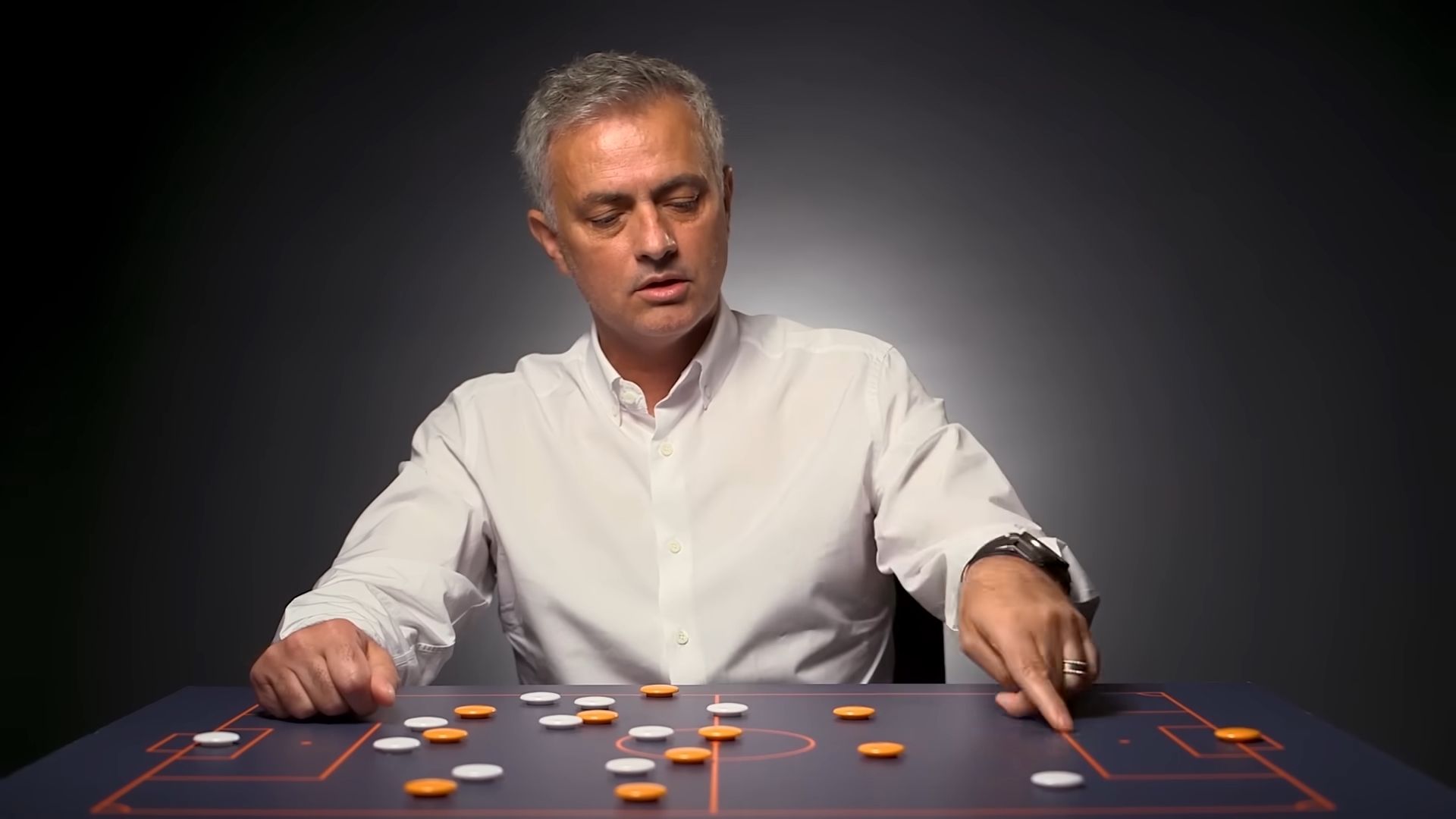
Real Madrid confirmed on Thursday, June 11, 2026, that José Mourinho will return as head coach of the first team. The 63-year-old Portuguese manager signed a three-year contract running through June 30, 2029, replacing Álvaro Arbeloa. Mourinho is scheduled to begin his second stint with the club on July 13.
The Terms of Mourinho’s Return
The announcement of José Mourinho’s appointment followed a meeting of the Real Madrid board of directors, presided over by club president Florentino Pérez. According to Champion.com.ua, the decision was formalized on Thursday, June 11, confirming a deal that ties the manager to the Santiago Bernabéu until the summer of 2029.

“The Board of Directors of Real Madrid Football Club, at a meeting chaired by Florentino Pérez, which took place on Thursday, June 11, agreed to appoint José Mourinho as coach of the main team for the next three seasons, until June 30, 2029.”
Real Madrid Board of Directors, via Champion.com.ua
While the club has not disclosed the specific financial terms of the agreement, Football 24 reported that previous speculation suggested the club might pay a €15 million release fee to Benfica to secure the manager’s services. Mourinho’s tenure officially begins on July 13, coinciding with the start of the team’s preseason training sessions. This timeline provides Mourinho roughly six weeks to collaborate with the club’s sporting department before the squad embarks on their traditional summer tour and the commencement of the official 2026/27 calendar.
Contextualizing the Coaching Change
Mourinho takes over for Álvaro Arbeloa, who was dismissed following a difficult end to the 2025/26 campaign. According to reporting from Sport.ua, Arbeloa led the team to a second-place finish in La Liga, accumulating 86 points over 38 matches. The club’s recent performance was marked by a series of exits from major competitions, including the Copa del Rey, the Spanish Super Cup, and the UEFA Champions League.
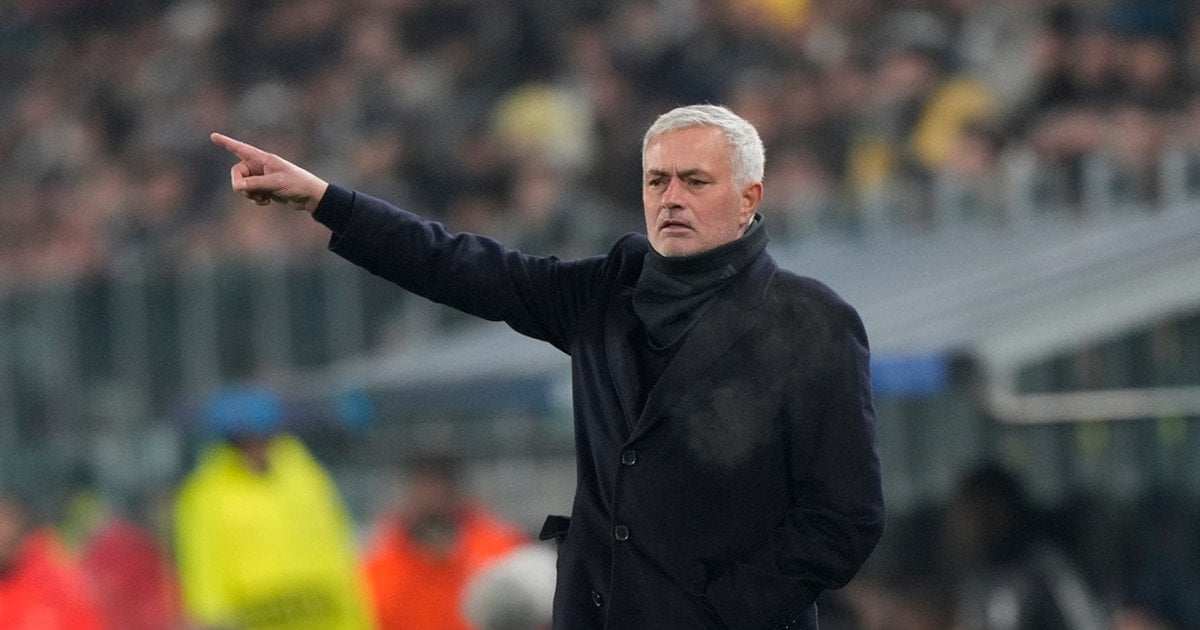
In the high-pressure environment of the Santiago Bernabéu, reaching the end of a season without a major trophy often necessitates a change in leadership. TSN noted that the club also lost the domestic league title race to Barcelona for the second consecutive season, a factor that likely influenced the leadership change. For Real Madrid, a club with a history of demanding immediate silverware, failing to secure the La Liga title or a deep run in the Champions League is frequently viewed as an underperformance relative to the squad’s valuation and expectations.
Mourinho’s appointment marks a return to a familiar environment; he previously managed the “Los Blancos” from 2010 to 2013. During that initial three-year period, he oversaw 178 matches and secured three major trophies: the La Liga title (2011/12), the Copa del Rey (2010/11), and the Spanish Super Cup (2012/13). His return is seen by many observers as a move toward a more experienced tactical hand to stabilize the dressing room.
Historical Precedent and Expectations
The club’s decision to bring back a former manager highlights a desire to recapture the domestic dominance seen during Mourinho’s first term. Under his guidance in the 2011/12 season, Real Madrid set a historic benchmark in La Liga, finishing with a record 100 points and 121 goals scored. That era is often remembered for the team’s direct transition play and defensive intensity, a style the board hopes to replicate as they look to overhaul the current roster.
As the club moves into this new chapter, internal reports suggest a broader shift in strategy. Beyond the coaching change, there are indications that Real Madrid is looking to bolster its midfield options. Champion.com.ua reported that the club has recently entered the race to sign Manchester City midfielder Bernardo Silva. Securing a player of Silva’s caliber would signal an aggressive intent to overhaul the midfield unit, which has faced scrutiny regarding its ability to control matches against high-pressing opponents in the latter half of the 2025/26 season.
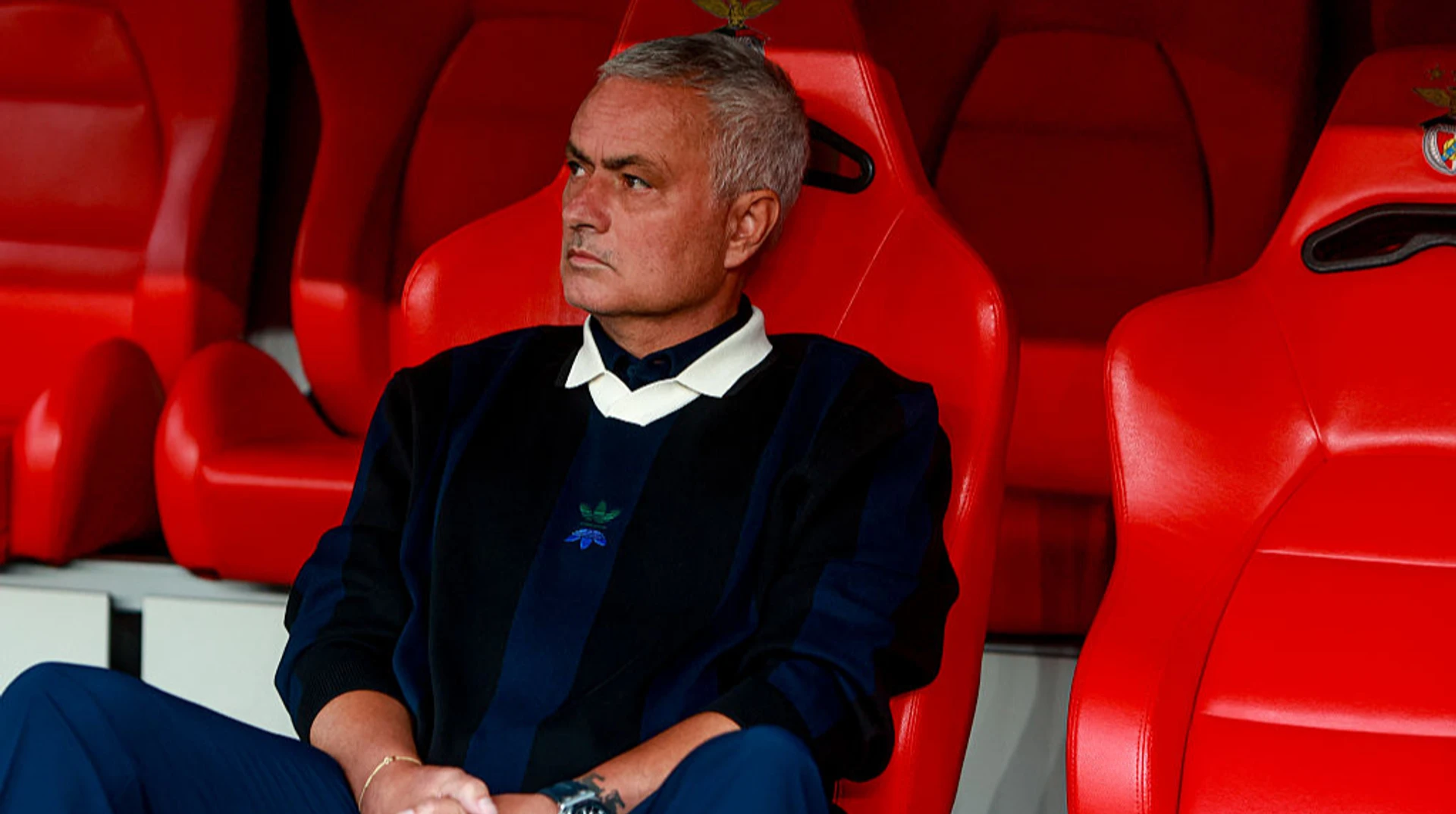
The transition period between mid-June and the opening of the official league fixtures is a critical window for any manager. Mourinho will be tasked with evaluating the current depth chart, particularly regarding players whose contracts are approaching expiration. With the transfer window looming and the preseason start date set for mid-July, the next 30 days will be critical for Mourinho as he assesses his squad and integrates new personnel ahead of the 2026/27 season. The club’s reliance on his previous experience suggests that the board is prioritizing a proven track record over the experimentation seen in recent cycles.
Find more reporting in our Sport section.
