
Art World Amplifies: Sound Systems Become a Gallery Staple
A growing number of artists and designers are integrating high-fidelity sound systems and listening spaces into their work, transforming galleries and fashion shows into immersive audio experiences.
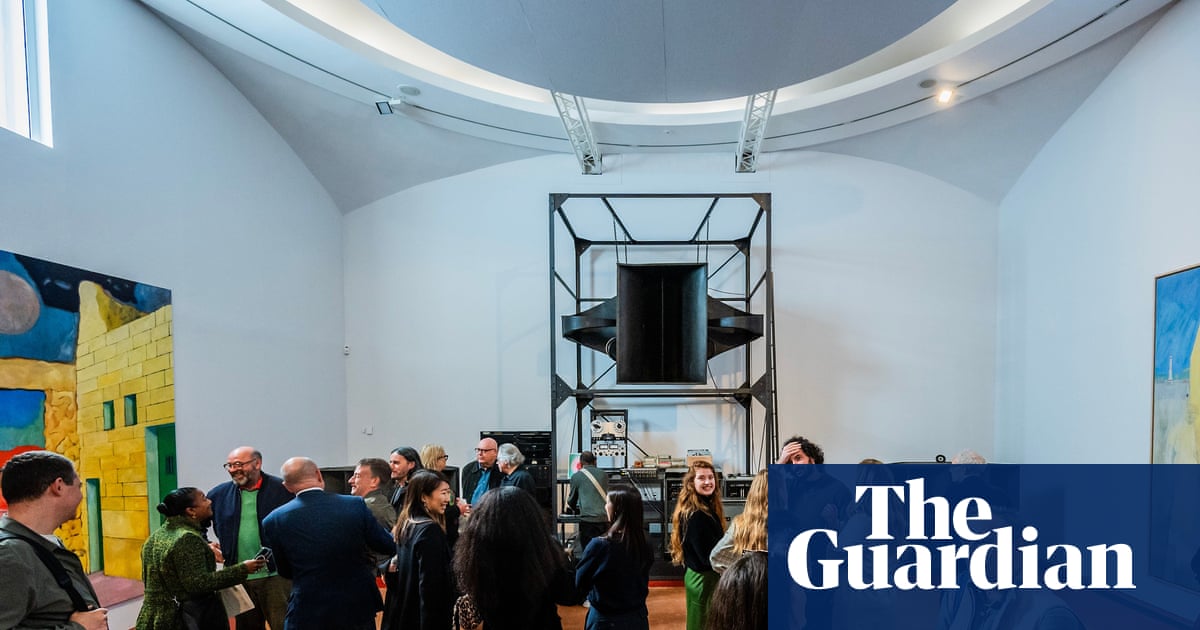
The trend, exemplified by Peter Doig’s “House of Music” exhibition at the Serpentine gallery, features vintage and modern sound systems—including equipment once owned by Kraftwerk’s Florian Schneider—playing alongside visual art. Doig admitted he was initially apprehensive, questioning “Would people be sort of scratching their heads and saying ‘why do we need music to look at paintings?’”. Other recent examples include listening sessions hosted by Theaster Gates at the White Cube in New York and Zinzi Minott’s sound installation at Liverpool’s Walker Gallery. This shift reflects a broader cultural appreciation for sound system culture and its historical roots.
Originating in 1950s Jamaica as an accessible way to share music, sound system culture traveled to Britain with the Windrush generation, profoundly impacting UK music with the introduction of powerful bass. Professor Julian Henriques of Goldsmiths, University of London, notes this is “new territory for sound systems,” expanding their reach to new audiences and reimagining their role, as seen with the Turner prize-nominated Black Obsidian Sound System. The influence extends beyond the visual arts, with fashion houses like Valentino and Stone Island incorporating sound systems into retail spaces and runway shows; Doig’s 2020 Dior collaboration arguably sparked the fashion world’s interest. The rise in popularity of Japanese-style listening bars across the UK further demonstrates this growing trend.
Culture critic Suze Webb suggests speakers are now seen as status symbols, fueled by increased representation of Black and Caribbean creatives and the legacy of figures like Virgil Abloh. This embrace of sound system culture offers a platform for historically marginalized voices and a renewed appreciation for its artistic and social significance. The increasing visibility of these systems could help preserve and celebrate a vital part of musical history, as detailed by the British Library’s sound archive here.
Organizers anticipate continued expansion of these immersive experiences, with upcoming events like the “Listening Room” performance at Autograph and House of Dread, and further sound service sessions curated by Doig and his colleagues.
