
Wealthy Consumers Drive Economic Growth as Spending Diverges
A disproportionately small segment of high-income consumers is currently responsible for the majority of spending in the U.S. economy, a trend highlighted by recent economic data and company earnings reports.
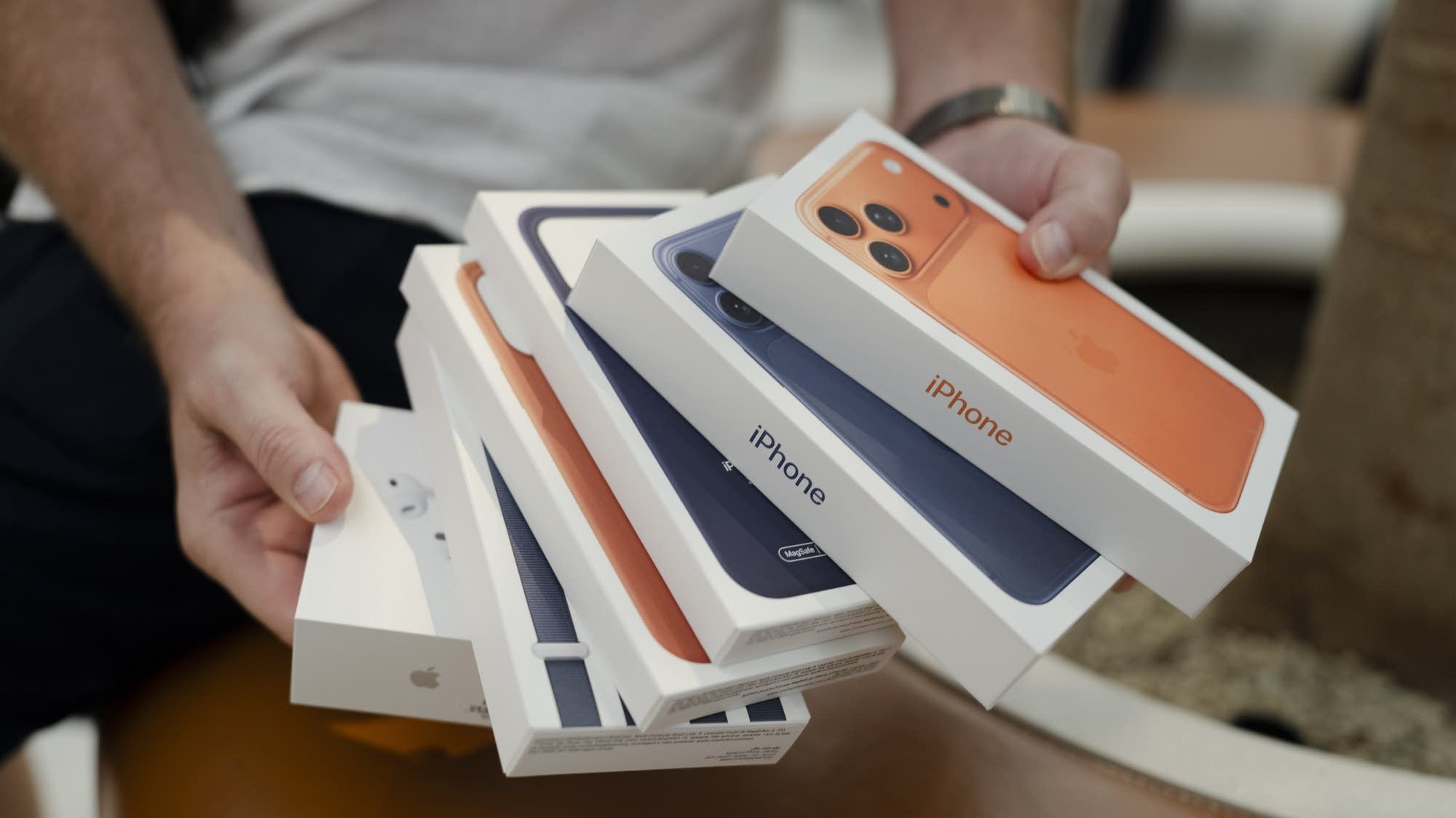
Apple’s latest financial results, released today, showed double-digit growth in iPhone sales following the release of the iPhone 17, priced at $799. This surge indicates a continued ability among top earners to maintain spending habits despite broader economic pressures. Economist Kristina Sargent of Middlebury College explained that this concentration has been building for decades, stating, “Higher earners have seen strong wage growth and massive gains in wealth from stock and housing. Meanwhile, middle- and lower-income households are squeezed by rising costs like rent and childcare, groceries, the basics.” This widening gap in purchasing power could have significant implications for overall economic stability.
The divergence in spending is evident across different categories, according to consumer insight company Numerator. While spending on essential items like food and health/personal care remains consistent across income levels, discretionary purchases – including vacations, restaurants, and goods like electronics and apparel – are experiencing a significant pullback among lower-income households. “This is where we really see a big pullback amongst lower-income consumers, and higher-income consumers have continued to spend,” said Leo Feler of Numerator. Understanding these shifts in consumer behavior is crucial for businesses and policymakers alike; you can find more information about Personal Consumption Expenditures from the Bureau of Economic Analysis.
Experts caution that an economy heavily reliant on the wealthiest consumers is vulnerable to market fluctuations. Sargent noted, “So if the stock market dips, that can ripple out really quickly, and the wealthier households make fewer big ticket purchases, we see slower demand and then knock-on effects for jobs.” However, Betsey Stevenson, an economist at the University of Michigan, suggested the risk of a pullback may be overstated, pointing to the savings and borrowing access of high-income individuals. The potential for social and political instability resulting from a deeply divided economy, often referred to as a K-shaped recovery, remains a significant concern.
Officials are continuing to monitor economic indicators for signs of broader weakness and assessing the potential impact of market volatility on consumer confidence.
