
Homelessness in England Significantly Underreported, New Research Finds
The true scale of homelessness in England is considerably larger than official figures indicate, with approximately 189,000 additional individuals and families facing the most severe forms of housing insecurity, according to research published today by the charity Crisis.
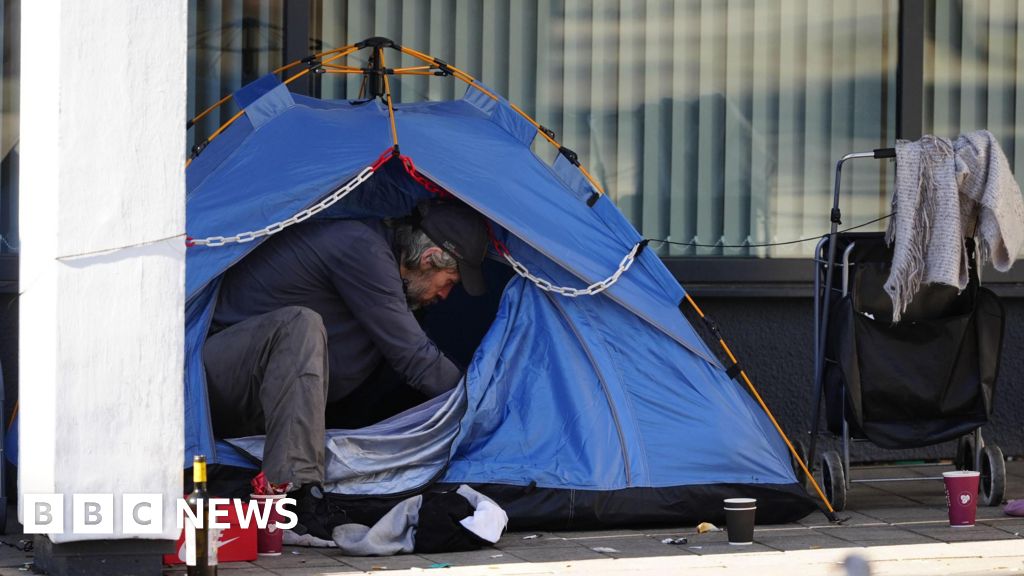
The study, conducted in partnership with Herriot-Watt University, reveals that current government statistics – based on those who declare themselves homeless to local authorities – fail to capture those experiencing “hidden” homelessness, such as sofa surfing, living in tents, or residing in unsafe temporary accommodation. Crisis estimates around 300,000 people are now facing these conditions, a 20% increase since 2022. The number of households in unsuitable temporary accommodation has more than doubled from 19,200 in 2020 to 46,700 in 2024, often including unsafe B&Bs and locations far from support networks. An additional 18,600 households are living in unconventional settings like cars and sheds.
The findings highlight a growing crisis in housing affordability and availability, potentially impacting public health and social services. Isra, who came to the UK from Iraq as a child, shared her experience of living in multiple temporary accommodations with her family, describing conditions infested with rats and impacting her education. “I remember my mother sifting through bags of rice because there were so many rats, we’d found rat droppings in our food,” she said. Matt Downie, chief executive of Crisis, stated, “No one should be forced to live in unsafe conditions, whether it’s children in poor-quality B&Bs or people having to sleep on the streets, in tents or in squats.” You can find more information about the causes of homelessness at Shelter.
The government currently invests £1 billion in homelessness services, with a planned increase to £1.316 billion in 2025-26, and recently announced an £84 million boost to prevent homelessness this winter. A spokesperson said they are also “tackling the root causes of homelessness by abolishing Section 21 ‘no fault’ evictions, and expanding access to safe accommodation.” Labour has pledged a new cross-government homelessness strategy, expected before the end of the year, building on their previous commitments to address the housing crisis – see their election manifesto for details.
