
The Hidden Toll of Alcohol: How Binge Drinking and Frequent Use Impact Vital Organs
Understanding the physiological impact of alcohol is critical for public health, as the risks extend far beyond immediate intoxication. Recent findings highlight that the manner in which alcohol is consumed—particularly through “binge drinking”—can lead to severe, and sometimes rapid, health crises.
One of the most acute dangers is associated with binge drinking, a practice increasingly prevalent among young people. This habit of consuming excessive amounts of alcohol in a short period is considered highly dangerous and can potentially be fatal in as little as two hours.
Liver Risks and Protective Measures
The liver bears much of the burden of alcohol metabolism, and the timing of consumption plays a significant role in the level of damage. Research indicates that consuming large quantities of alcohol within a short timeframe can triple the risks to the liver. This underscores the danger of heavy, episodic drinking compared to moderate consumption.
However, there is evidence that lifestyle choices can mitigate some of these risks. A study suggests that a healthy diet and regular exercise may safeguard the liver from alcohol-induced damage, providing a critical layer of protection for organ health.
Impact on Kidneys, Sexual Health, and Cholesterol
Although liver damage is a primary concern, frequent alcohol consumption affects multiple other systems in the body. Experts note that regular intake can negatively impact kidney function and lead to a decline in male sexual performance. These systemic effects demonstrate that alcohol’s influence is not isolated to a single organ but affects overall endocrine and excretory health.
there are ongoing medical considerations regarding how alcohol interacts with blood lipids, specifically whether alcohol raises cholesterol levels, adding to the cardiovascular risks associated with long-term use.
Metabolism and Public Safety
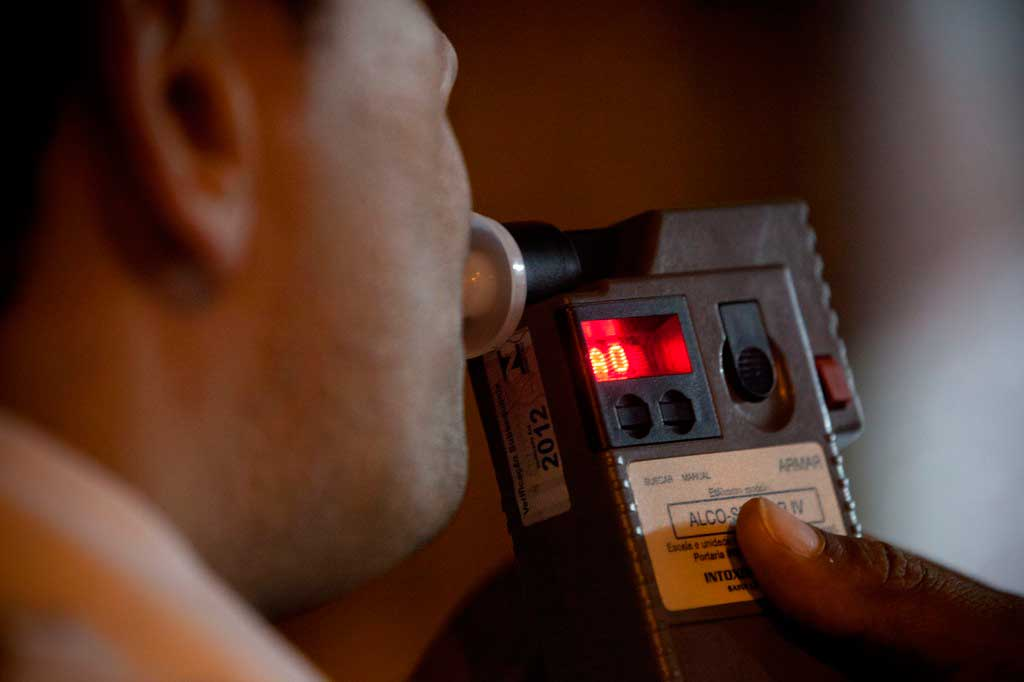
The window of time alcohol remains in the body is a key factor in both health and public safety. Understanding the metabolization process is essential, particularly for those who operate vehicles, as the presence of alcohol in the system significantly increases the risk of accidents.
From the specific effects of beer’s impact on the body to the broader dangers of binge drinking, the evidence points to a need for greater awareness of how alcohol is processed. Learning how long alcohol stays in the system is not just a matter of health, but a critical safety precaution for drivers.
These findings highlight the ongoing public health challenge of alcohol misuse and emphasize that combining moderation with a healthy lifestyle is the most effective way to protect vital organ function.
