
Teh human brain’s reward system is powerfully susceptible to external substances, and increasingly, modern life presents an overwhelming array of options capable of hijacking those pathways. This article explores the neurological mechanisms behind alcohol’s addictive potential, detailing how it reshapes brain chemistry to prioritize consumption above basic needs. Understanding this process is vital not only for those struggling with alcohol use disorder, but also for broader public health initiatives aimed at mitigating the impact of readily available and highly reinforcing substances. Recent research highlights the profound and,in some cases,lasting effects of alcohol on cognitive function and the brain’s ability to experience pleasure.
The human brain, evolved to thrive in environments of scarcity and danger, now faces a unique challenge: an overwhelming abundance of pleasurable substances and stimuli. Alcohol, one of the most readily available and socially accepted of these substances, has a profound ability to reshape brain chemistry, leading the body to perceive its consumption not as a treat, but as a fundamental survival need. Understanding this neurological process is crucial for addressing alcohol use disorder and promoting public health.
READ ALSO
This phenomenon is rooted in the brain’s dopamine system, a network of neurons responsible for motivation and pleasure. Addictive substances trigger a rapid and substantial release of dopamine in the brain’s reward pathway.
“Alcohol reconfigures the brain, leading it to interpret drinking as a memorable and vital experience for survival,” explains Dr. Anna Lembke, a psychiatrist at Stanford University, in an interview for The Diary of a CEO. This neurological shift highlights the powerful influence substances can have on our core perceptions of need and reward.
According to Dr. Lembke, this surge of dopamine mimics the effects of natural rewards, such as eating, but with an intensity that the brain prioritizes above all else.
However, consistent consumption leads to a process called neuroadaptation. As the brain is repeatedly exposed to these potent external stimuli, it reduces its own production of dopamine, resulting in a chronic deficiency. This compels individuals to seek larger and more frequent doses, not to experience euphoria, but simply to achieve a baseline level of normalcy. This cycle often culminates in anhedonia – the inability to derive pleasure from everyday activities.
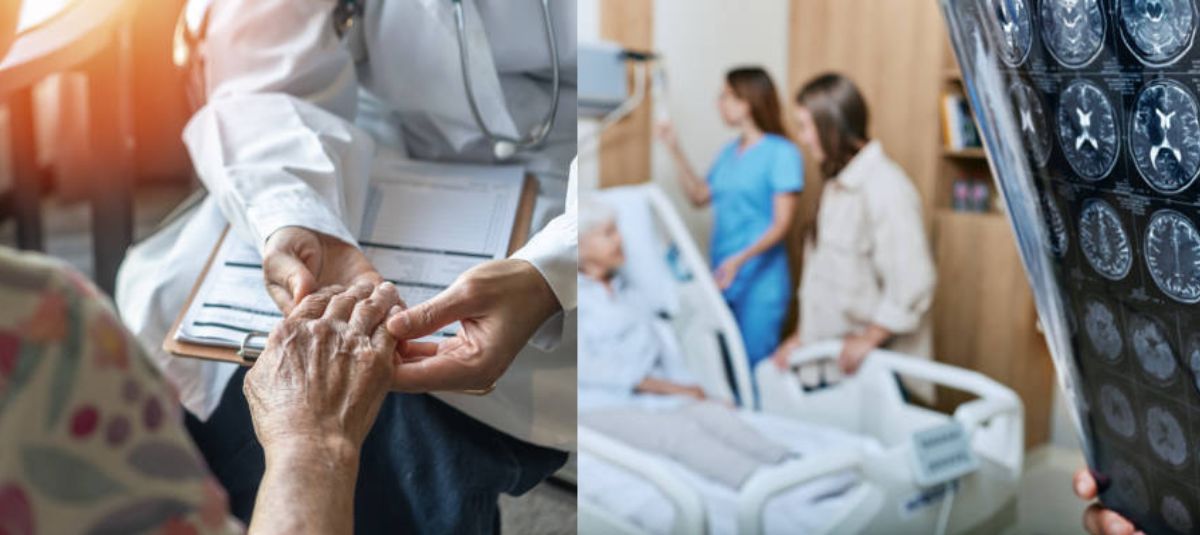
The stress response in people with addiction remains altered even years after cessation. Photo:iStock
Alcohol and the Brain: How it Gains Control
The brain’s vulnerability to alcohol is also physical and cellular. Harvard neuroscientist Jill Bolte Taylor points out that alcohol draws water from cells, dehydrating them to the point of fragility and eventual death. Neurologist Richard Restak recommends complete abstinence after age 65 to prevent accelerated cognitive decline. These findings underscore the importance of protecting brain health throughout the lifespan.
For those seeking to reverse these effects, experts agree that the body undergoes structural changes when alcohol consumption is stopped. Within 30 days of abstinence, subtle but profound physical and mental transformations begin to occur.
The recovery process requires patience, due to the brain’s adaptive mechanisms:
- The acute withdrawal period typically lasts between 10 and 14 days, and is often the most challenging phase due to anxiety and insomnia.
- At least four weeks of complete abstinence are needed for the reward pathways to begin to reset.
- During this time, the brain starts to upregulate its own dopamine production.
- After a month, individuals begin to regain the ability to enjoy more modest and natural rewards.
READ ALSO
Dr. Lembke cautions that we live in an era where easy access to luxury items and substances creates unprecedented stress for our biology. According to the psychiatrist, modern survival depends on the human ability to manage abundance with a brain still programmed for scarcity.
*Article developed with AI support and reviewed by a journalist.
