

Unlocking the Secrets of Heart Rate Variability: A Key Indicator for Physical and Mental Wellness
Heart Rate Variability (HRV) is emerging as a critical metric for those seeking a deeper understanding of their body’s internal state. Rather than focusing on how many times the heart beats per minute, HRV measures the specific variation in time between each consecutive heartbeat. This subtle fluctuation serves as a powerful window into the autonomic nervous system, offering insights into how the body manages stress and recovers from exertion.
As wearable technology becomes more sophisticated, the ability to track these physiological shifts in real-time is transforming how individuals approach preventative health and performance optimization.
The Science Behind the Beat: Understanding the Autonomic Nervous System
To understand HRV, one must first understand the autonomic nervous system (ANS), which regulates involuntary bodily functions. The ANS is divided into two primary branches that work in a delicate balance:

- The Sympathetic Nervous System (SNS): Often described as the “fight or flight” mechanism, the SNS activates during stress, danger, or intense physical activity, increasing the heart rate to prepare the body for action.
- The Parasympathetic Nervous System (PNS): Known as the “rest and digest” system, the PNS promotes relaxation, digestion, and recovery, slowing the heart rate down.
HRV is the result of the constant interaction between these two systems. A healthy heart does not beat with the precision of a metronome; instead, it adjusts its timing millisecond by millisecond based on the competing signals from the SNS and PNS.
Interpreting the Data: High vs. Low HRV
In the context of health and wellness, the “variability” in heart rate is generally viewed as a sign of resilience. Experts note that the interpretation of these numbers typically follows these patterns:
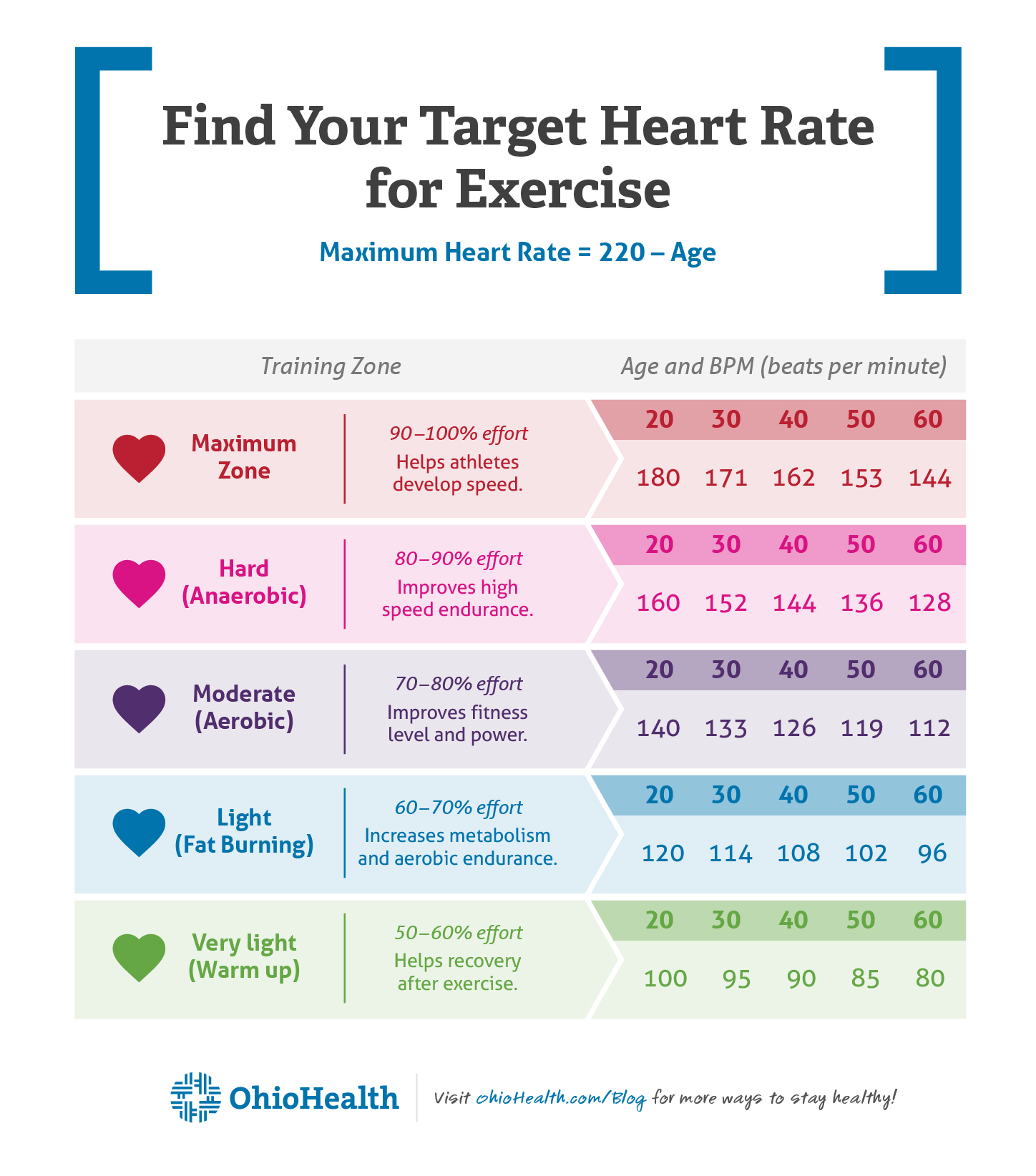
High HRV: A higher variation between beats generally indicates that the body is in a state of recovery and is capable of adapting quickly to changing demands. Here’s often associated with better cardiovascular fitness, emotional stability, and a dominant parasympathetic response.
Low HRV: Conversely, a low HRV suggests that the sympathetic nervous system is dominating, often because the body is under significant stress. This can be a warning sign of overtraining in athletes, chronic stress, fatigue, or the onset of an illness. When the body is stuck in “fight or flight” mode, the heartbeat becomes more rhythmic and less variable.
The Critical Link to Mental Health
The relationship between HRV and psychological well-being is bidirectional. Research indicates that HRV can be a physiological marker for various mental health challenges. For instance, low HRV is frequently observed in individuals struggling with anxiety, depression, and burnout.
When the body remains in a state of chronic stress, the parasympathetic system fails to effectively “brake” the stress response, leading to a sustained low HRV. This physiological state can exacerbate feelings of emotional instability, making it harder for the individual to recover from psychological stressors. Understanding this connection underscores the importance of holistic health, where physical recovery directly supports mental resilience.
Measuring and Optimizing Your HRV
With the rise of health-tech, monitoring HRV has moved from the clinical lab to the wrist. Today, many smartwatches, fitness trackers, and smart rings use photoplethysmography (PPG) or electrical sensors to track these intervals, often during sleep when the body is at its most stable.
While HRV is influenced by genetics and age, Notice several evidence-based lifestyle interventions that can help improve and stabilize it:
- Prioritizing Sleep: Quality, consistent sleep is the primary driver of parasympathetic activation and HRV recovery.
- Mindfulness and Meditation: Practices that emphasize deep, slow breathing can manually trigger the parasympathetic nervous system, increasing variability.
- Regular Physical Activity: While intense exercise temporarily lowers HRV, consistent training over time improves overall cardiovascular efficiency and raises the baseline HRV.
- Nutrition and Hydration: A balanced diet and proper hydration support the autonomic nervous system’s ability to function optimally.
By monitoring these fluctuations, individuals can better align their daily activities with their body’s actual capacity for stress, potentially preventing burnout and enhancing long-term health outcomes.
