

One Night of Sleep Loss Linked to Alzheimer’s-Like Brain Damage
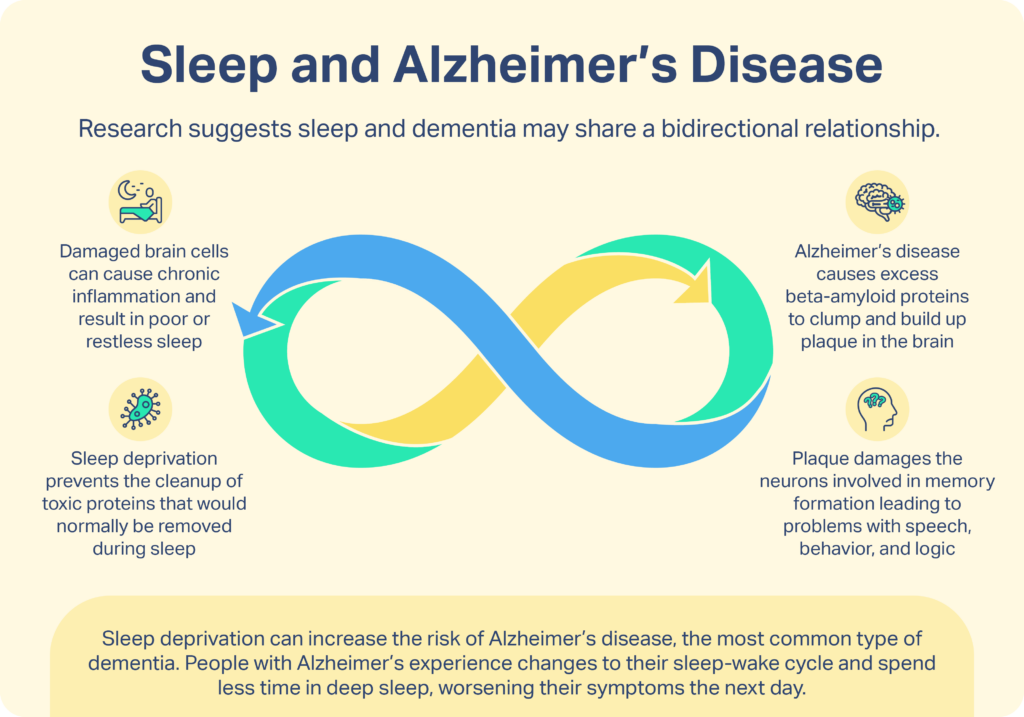
Recent research has uncovered a concerning link between total sleep deprivation and neurological decline, suggesting that even a single night without sleep may cause brain damage resembling the symptoms of Alzheimer’s disease. The findings underscore the critical role that consistent rest plays in maintaining cognitive health and preventing long-term neurological impairment.
According to reports on the impact of sleeplessness and recent studies, a single night of staying awake can trigger brain changes that mimic the degenerative patterns associated with Alzheimer’s. This suggests that the brain’s ability to recover from acute sleep loss may be more fragile than previously understood, potentially accelerating cognitive vulnerabilities.
The Intersection of Age and Brain Activity
Beyond the immediate risks of a single sleepless night, research is exploring how the aging process interacts with sleep to affect the brain’s electrical activity. New findings indicate that the electrical patterns of the brain are significantly influenced by both the quality of sleep and the age of the individual. This relationship suggests that sleep hygiene becomes increasingly vital as people age to maintain optimal neural function.
Recognizing the Warning Signs of Sleep Deprivation
While severe brain damage is a long-term concern, many people suffer from chronic sleep deficiency without realizing it. Experts note that We find often unexpected signs that indicate a person is not getting enough rest. These subtle symptoms can often be mistaken for stress or general fatigue, but they may actually be indicators of a systemic lack of sleep.
However, some symptoms are more critical than others. Health professionals identify four specific sleep-related red flags that necessitate an immediate medical consultation. Recognizing these signs early can be crucial in preventing the more severe cognitive declines associated with prolonged sleep disorders.
These findings highlight a growing public health concern: the tendency to underestimate the impact of a few lost hours of sleep. Prioritizing restorative rest is not merely about alertness the next day, but about protecting the brain’s long-term structural integrity.
