

Mid-Life Vitamin D Levels Linked to Lower Alzheimer’s Markers, Study Finds
Maintaining adequate vitamin D levels during mid-life may play a critical role in long-term brain health and the prevention of dementia. Recent research indicates that individuals with higher concentrations of the “sunshine vitamin” in their blood during their 40s and 50s present fewer markers of Alzheimer’s disease years later.
The findings, published in the journal Neurology
by the American Academy of Neurology, highlight a significant statistical connection between vitamin D and the accumulation of tau proteins in the brain. Tau proteins are essential structures in nerve cells, but when they change pathologically, they form deposits that impair cellular function—often long before clinical symptoms of dementia appear.
Researchers from the University of Galway conducted the study by tracking 793 adults who were free of dementia at the start of the investigation. The participants had an average age of 39 years when their initial vitamin D levels were measured. Approximately 16 years later, brain scans revealed that those with higher vitamin D levels had lower levels of tau protein deposits.
“These results suggest that higher vitamin D levels in mid-life could be protective. At the same time, low levels could be a modifiable risk factor.” Martin Mulligan, Study Author
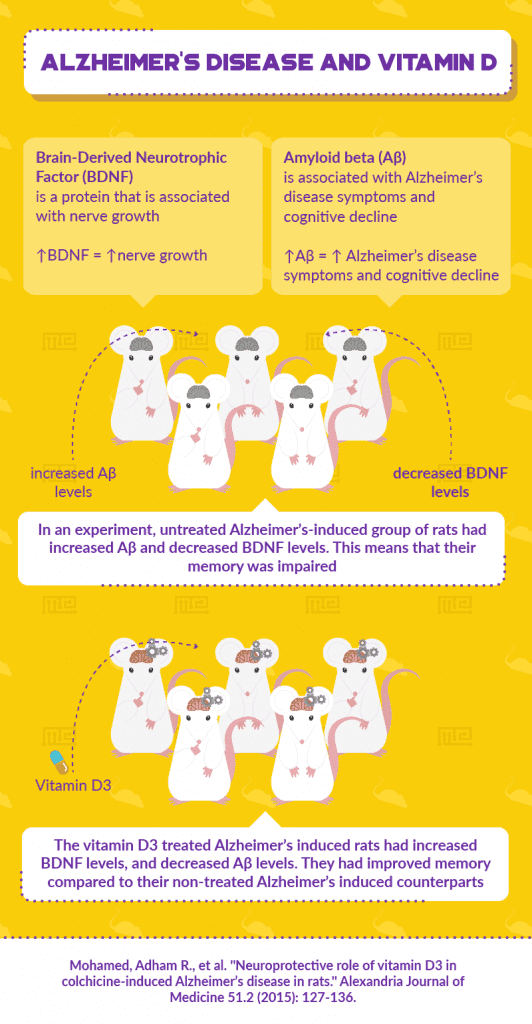
Interestingly, the study found no such correlation between vitamin D levels and amyloid-beta, another primary marker associated with Alzheimer’s disease. This suggests that vitamin D may specifically influence the mechanisms that lead to tau protein malfunctions.
The research underscores the importance of the “mid-life window,” a period when health interventions and the modification of risk factors can have a more profound impact on aging. Because the brain’s structural changes initiate decades before memory loss occurs, addressing nutrient deficiencies in middle age may provide a critical preventative advantage.
“A low vitamin D level in middle age could be a starting point for reducing the risk of early changes in the brain.” Emer McGrath, Lead Author
While the exact causal mechanism is still being explored, scientists believe vitamin D supports the central nervous system by reducing inflammation and protecting neurons from oxidative stress. Vitamin D receptors are also found in the hippocampus, a region of the brain that is typically among the first to be damaged by Alzheimer’s.
Despite the promising results, researchers caution that the study shows an association rather than a direct cause-and-effect relationship. Factors such as overall lifestyle and general health could also contribute to both higher vitamin D levels and better brain outcomes. The study measured vitamin D levels only once, meaning daily fluctuations or long-term changes in diet and sun exposure were not tracked.
Medical experts note that while supplements can assist correct a deficiency, they are not a replacement for a healthy lifestyle. For those concerned about their levels, a simple blood test can determine if a deficiency exists, allowing for targeted supplementation to support cognitive longevity.
