
Hungary’s political landscape remains in flux following the European Parliament elections, as opposition figures continue to challenge the long-dominant Fidesz party despite setbacks for its leader, Viktor Orbán.
Although Orbán suffered a notable defeat in the recent EU vote, his party retains significant influence, and Ukraine continues to face hurdles in its pursuit of faster European Union integration, with no guaranteed path to membership or expedited accession.
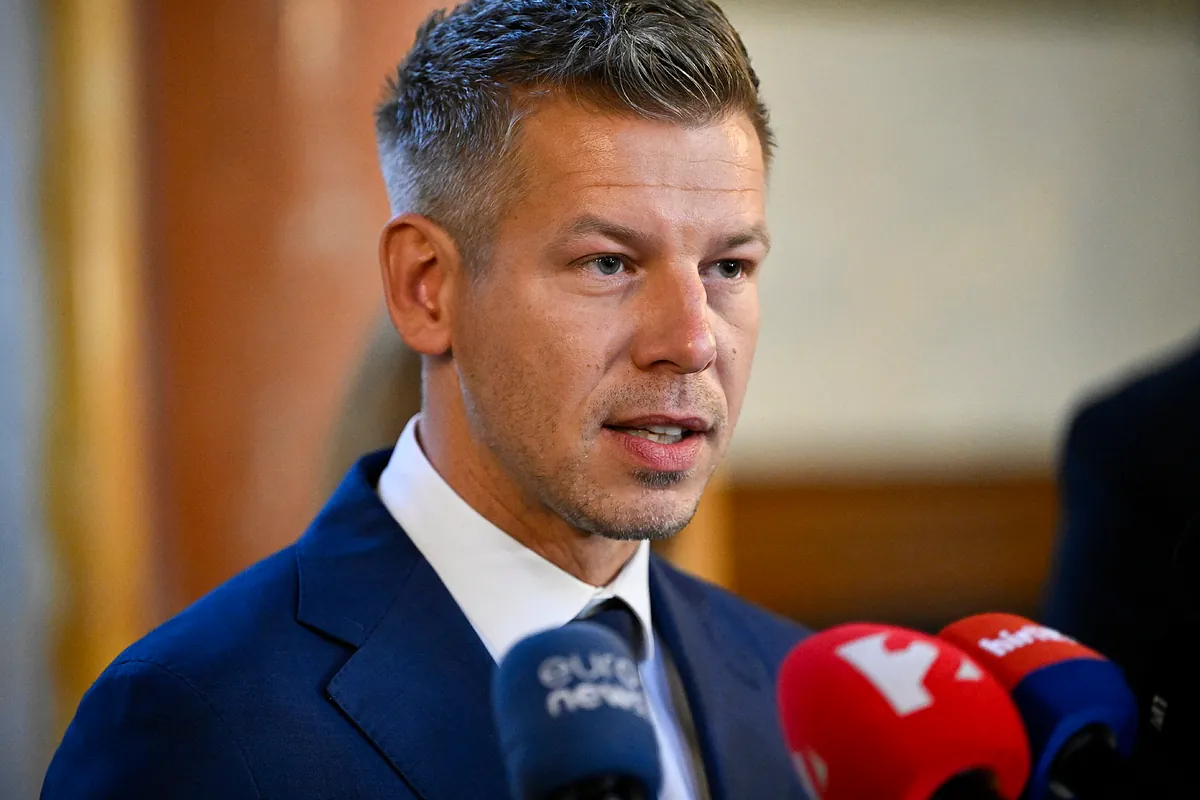
Opposition leader Péter Magyar has maintained an active campaign against what he describes as the “Orbán system,” appearing to operate as if still in election mode, rallying support and criticizing government policies through public appearances and media engagement.
Political analysts suggest that Hungary faces a period of democratic renewal, with calls growing for institutional reforms and greater transparency in governance, particularly concerning media freedom, judicial independence, and civil society space.
A recent documentary examining Orbán’s tenure and the mechanisms of his political control has drawn attention for its potential influence on public perception, raising questions about the role of media in shaping electoral outcomes.
Magyar’s electoral success has been interpreted by some observers as a potential turning point, possibly heralding a broader shift in Hungarian politics akin to a “spring” of renewed civic engagement and reformist momentum.
These developments underscore the ongoing struggle within Hungary between entrenched political structures and emerging opposition forces, with implications not only for domestic governance but also for the country’s standing within the European Union.
