

Polish-Hungarian Relations Expected to Improve, Though Pragmatic Foreign Policy Likely
Political scientist Jan-Werner Müller, a professor at Princeton University, has suggested that Hungarian Prime Minister Péter Magyar could demonstrate a future beyond far-right politics through bold actions. Speaking in an interview with hvg360, Müller emphasized that even as democratic governments face challenges in restoring normalcy after illiberal rule—such as uncovering hidden obstacles and encountering various forms of resistance—Poland’s example shows that success is possible with courageous measures and adequate external support.
Müller noted that reforming Hungary’s political and legal systems must come first, though the exact approach remains unclear. Observers have begun referring to this phase as “Transition 2.0,” citing unprecedented tasks and limited applicability of lessons from past democratic transitions.
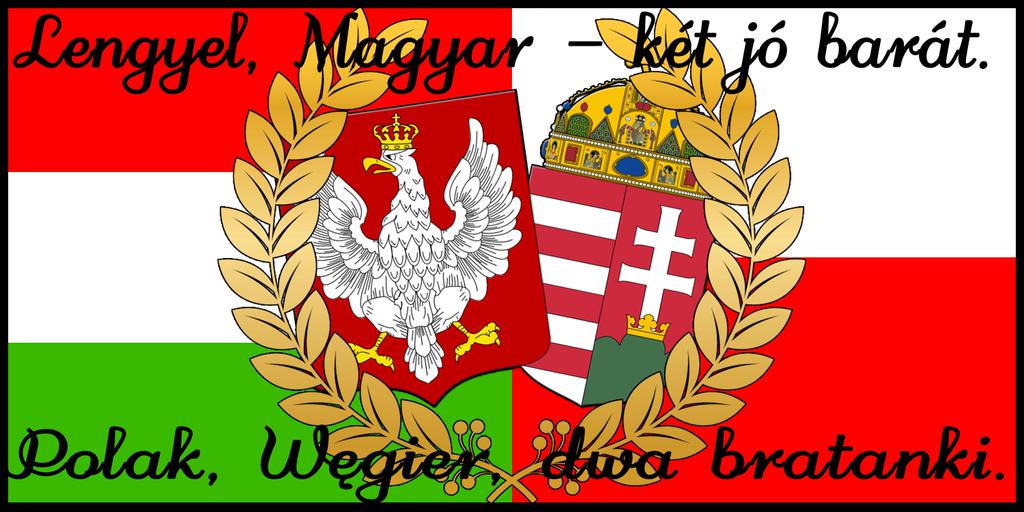
Meanwhile, Péter Dobrowiecki expressed optimism about improving Polish-Hungarian relations, though he cautioned that a more pragmatic foreign policy may emerge. His comments come amid broader European discussions in which analysts have started comparing Magyar to figures like Donald Tusk, noting perceived shifts in tone and direction.
These developments follow recent actions in Poland, where authorities have shut down state media outlets and removed propagandists—steps widely seen as part of a broader effort to dismantle institutionalized disinformation networks.
The evolving dynamics between Budapest and Warsaw are being closely watched as both countries navigate post-illiberal transitions, with Müller’s analysis offering a framework for assessing whether bold reforms can pave the way for a sustainable democratic future in Hungary.
