
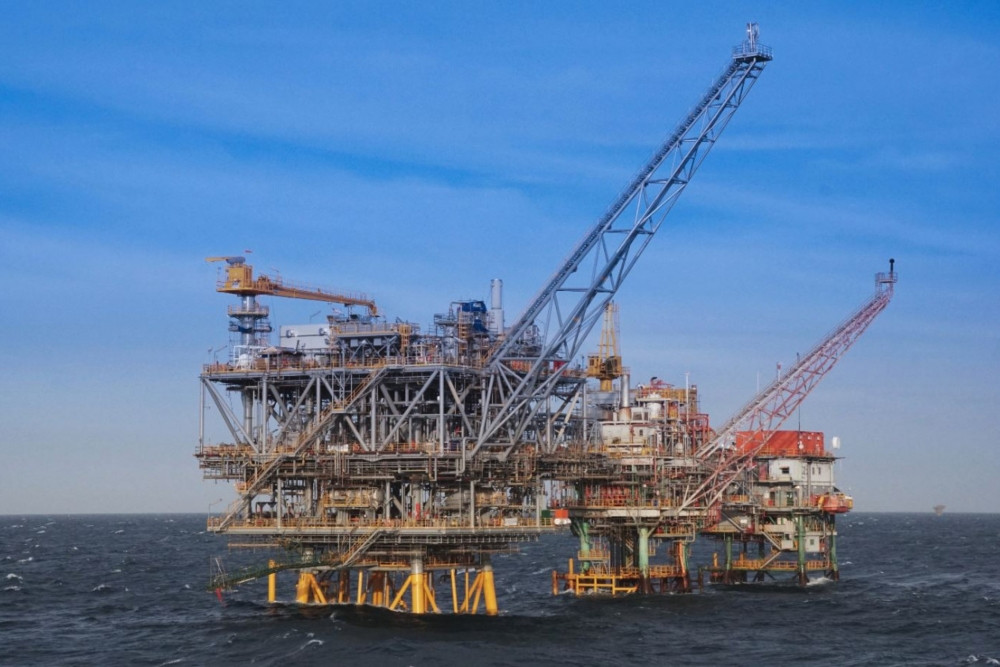
indonesias government is reporting its highest oil lifting rate in nearly a decade, exceeding the 2025 target by a narrow margin. However, the reported success is drawing scrutiny from indonesian lawmakers concerned with transparency in energy production figures. A key point of contention centers on the government’s recent inclusion of natural gas liquids and condensate-byproducts of crude oil extraction-in overall oil production tallies, raising questions about whether reported gains accurately reflect customary crude oil output.
Indonesia’s oil lifting targets for 2025 appear to have been exceeded, but questions are being raised about how those figures were calculated. A member of the Indonesian Parliament is scrutinizing the government’s inclusion of natural gas liquids (NGL) and condensate in oil production data.
NGLs, a group of hydrocarbons including ethane, propane, butane, isobutane, and pentane, are separated from natural gas in liquid form and are crucial feedstocks for petrochemicals and LPG, as well as high-value fuels. The debate centers on whether including these components accurately reflects crude oil production.
Sugeng Suparwoto, a member of Commission XII of the DPR RI representing the Nasdem faction, stated he will review the government’s methodology in detail. “I see that LPG components are also being counted as lifting within crude [oil], this is truly a deviation,” Suparwoto said during a broadcast on February 4, 2026.
He also highlighted the inclusion of condensate in the oil lifting calculations, and indicated the Parliament will investigate whether its use is intended for fuel or as feedstock for the petrochemical industry. “We will trace whether the condensate is for fuel purposes or feed stock in the petrochemical industry,” he added.
The government began incorporating NGL and condensate into its oil lifting calculations for 2025. According to data released by the Ministry of Energy and Mineral Resources (ESDM), this approach resulted in an average oil lifting rate of 605,300 barrels per day (bph) throughout 2025.
Minister of ESDM Bahlil Lahadalia announced on January 8, 2026, that this figure surpassed the 605,000 bph target set in the 2025 State Budget (APBN). “Our target in the APBN for lifting was 605,000 bph, that was the target and, thank God, our target today reached 605,300 bph, or 105% of the target,” Lahadalia said during a press conference in Jakarta.
The Minister also noted that this represents the highest lifting rate in the last nine years. This achievement comes as Indonesia continues to seek ways to optimize its energy resources and bolster its position in the global energy market.
For 2026, the Ministry of ESDM has set a target of 610,000 bph for oil lifting, a further increase from the 2025 target of 605,000 bph.
