
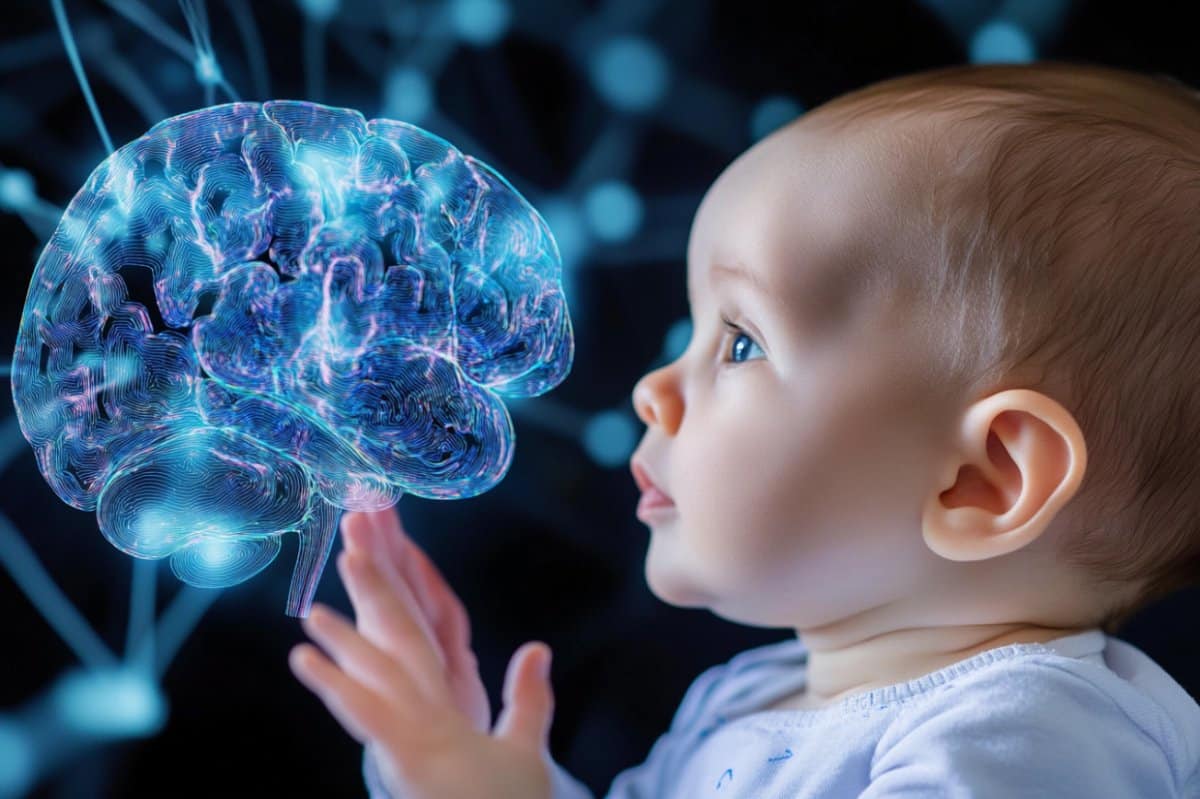
New neuroscience research published in May 2026 reveals that infants’ brains begin specializing for speech sounds within the first year of life, reshaping neural circuits before they utter their first words. A study from the University of Washington’s Institute for Learning & Brain Sciences shows this early exposure to language creates lasting foundations for later communication skills.
Infants’ Brains Wire for Speech Before First Words
Babies enter the world with an extraordinary capacity: the ability to distinguish every speech sound in every language. But within months, their brains begin pruning this universal skill, honing in on the phonetic patterns of the languages they hear most often. This critical period of neural specialization—documented in a 2026 study published in *Neuron*—explains why early exposure to language shapes not just vocabulary, but the very architecture of how the brain processes sound.
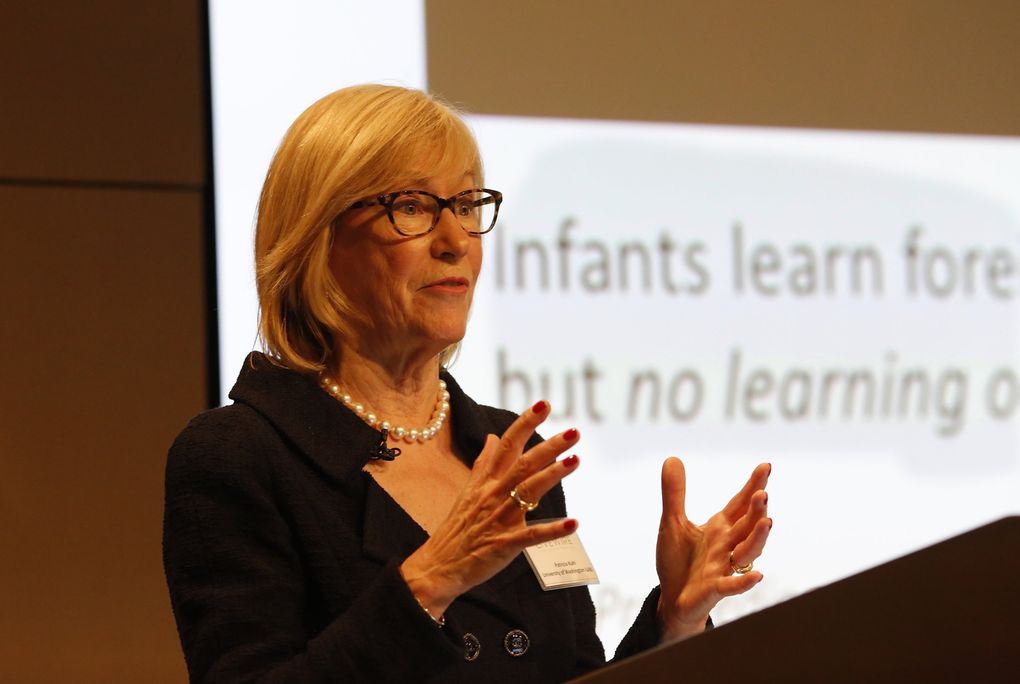
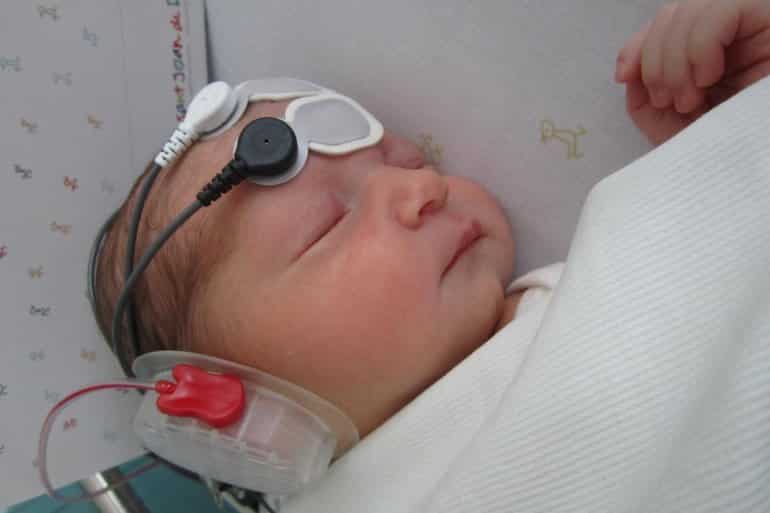
The research, led by Patricia K. Kuhl of the University of Washington, leverages advances in noninvasive brain imaging to track infants’ neural responses to speech from birth onward. Using functional MRI and electroencephalography (EEG), the team observed that by six months of age, infants’ brain activity already reflects the statistical patterns of their native language. By 12 months, these neural circuits begin to consolidate, laying the groundwork for word production and reading readiness.
“The continuity is striking,” Kuhl notes in the study. “Infants’ earliest brain responses to phonetic stimuli predict their language and pre-reading abilities in the second, third, and even fifth years of life.” This finding challenges the assumption that language development is purely behavioral, instead framing it as a neurologically embedded process that unfolds long before children speak.
Social Context Drives Neural Specialization
The study underscores that this early brain wiring isn’t passive. Infants’ neural circuits adapt in response to the social environment—specifically, the languages they hear in their daily interactions. Kuhl’s team found that exposure to diverse linguistic inputs (e.g., bilingual households or multilingual caregivers) delays the brain’s specialization, preserving flexibility longer than in monolingual settings.
This has profound implications for early childhood education. Policymakers and educators are increasingly recognizing that language-rich environments—whether at home, in daycare, or through assisted technologies—can optimize neural development. For example, a 2025 report from Zero to Three, a nonprofit focused on infant development, highlighted how babies’ brains “learn any language they’re exposed to” at birth, but that this window narrows rapidly without consistent input.
“The data suggest that interventions targeting phonetic discrimination in the first year could have cascading effects on literacy and cognitive development,” says a spokesperson for Zero to Three, citing the University of Washington’s findings. “But the key is *consistency*—not just quantity of exposure.”
Technological Implications for 2026 and Beyond
While the neuroscience remains grounded in biological processes, the study’s timing coincides with a surge in AI-driven tools designed to augment early language learning. Companies like CogniToys and Neuralink’s pediatric research arm are exploring how adaptive audio feedback—tailored to an infant’s neural responses—could reinforce speech sound discrimination. However, experts caution that such technologies must be validated against the organic social contexts proven effective in the study.
Kuhl’s work also intersects with ongoing debates about screen time for infants. The study does not address digital exposure directly, but it reinforces the idea that *live human interaction*—with its nuanced prosody, turn-taking, and emotional cues—remains irreplaceable for neural language development. “Algorithms can’t replicate the variability of a parent’s voice or the back-and-forth of conversation,” Kuhl told reporters in May 2026.
For now, the focus remains on low-tech interventions: reading aloud, singing nursery rhymes, and engaging in “parentese” (the exaggerated, high-pitched speech infants prefer). The University of Washington’s research suggests these practices aren’t just good habits—they’re actively sculpting the brain’s wiring for speech.
What Comes Next: Open Questions
Several critical questions remain unanswered. How do early neural patterns differ across languages with distinct phonetic inventories (e.g., tonal languages like Mandarin versus stress-timed languages like English)? Can targeted auditory training in the first year mitigate delays in children at risk for language disorders? And how might individual differences—such as genetics or prenatal exposure to stress—interact with these early brain changes?
Kuhl’s team is already expanding their research to address these gaps, with a longitudinal study tracking infants from birth through age five. Meanwhile, the broader implications for education and technology are still unfolding. One certainty, however, is that the window for shaping speech-linked circuits opens far earlier than previously assumed—and the tools to leverage it are evolving rapidly.
For parents and caregivers, the takeaway is clear: the first year of life isn’t just about preparing for speech—it’s about building the neural foundation that makes speech possible.
