
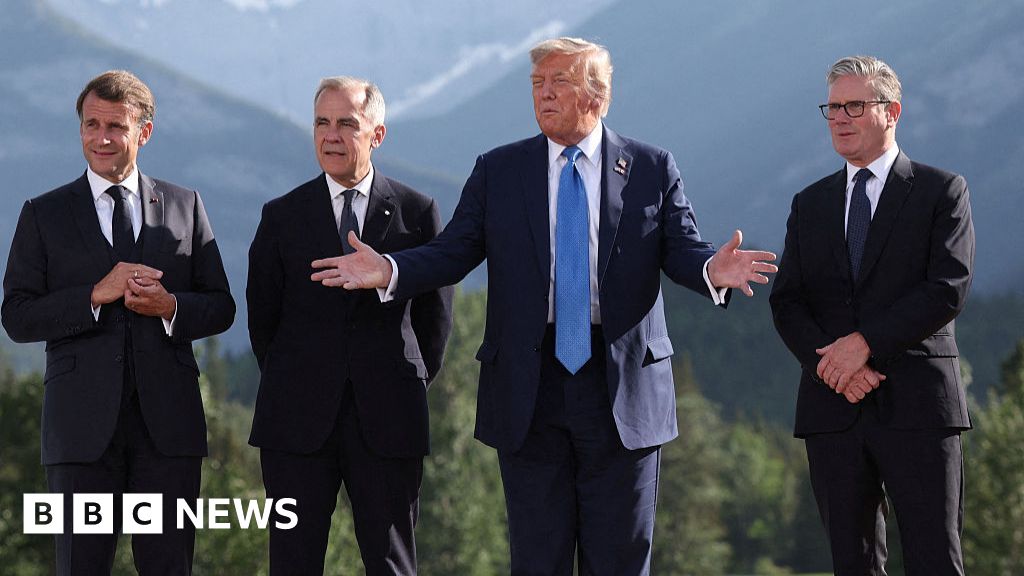
Former U.S. President Donald Trump announced on Tuesday, May 19, 2026, that diplomatic efforts with Iran have reached a positive development
after suspending a planned military strike, following Gulf-led mediation to de-escalate tensions.
Trump Signals Diplomatic Shift After Suspending Strike
In a rare public statement, Donald Trump—who remains a dominant figure in U.S. foreign policy despite leaving office—described the pause in a prospective military operation against Iran as a positive evolution
in relations. The move comes after Gulf Cooperation Council (GCC) mediators intervened to avert an escalation, according to regional diplomatic sources.
The suspension of what had been dubbed the Tuesday attack
—likely referring to a planned U.S. or allied airstrike—was confirmed by multiple Arab news outlets, including Al Arabiya and Al Ayyam. While the exact nature of the strike remains unconfirmed, regional analysts suggest it may have targeted Iranian-backed militia positions in Syria or Iraq, a pattern seen in past U.S. operations.
Trump’s comments, delivered in a brief address, emphasized the role of Gulf mediation
in creating space for dialogue. We’ve given diplomacy a chance, and that’s the right move
, he stated, adding that the alternative would have been disastrous for the region.
The statement marked a sharp contrast to his administration’s 2024 hardline stance on Iran, which included multiple strikes on Iranian proxies and a failed attempt to revive the 2015 nuclear deal.
Gulf Mediation Averts Escalation
Sources close to the GCC negotiations—led by Saudi Arabia and the UAE—indicated that the mediation focused on two key demands: a halt to U.S. military actions and a reciprocal Iranian commitment to reduce support for regional militias. While Iran has not yet issued an official response, state media reports suggest Tehran views the pause as a step forward
for de-escalation.
The timing of the intervention is critical. Tensions had been rising since April, when a U.S. drone strike in Syria killed two Iranian Revolutionary Guard Corps (IRGC) officers, prompting Iranian threats of retaliation. The IRGC’s Quds Force, led by General Esmail Qaani, had signaled preparations for asymmetric responses,
including attacks on U.S. bases in Iraq or cyber operations against critical infrastructure.
Diplomatic cables obtained by Al Arabiya reveal that Saudi Crown Prince Mohammed bin Salman and UAE President Mohammed bin Zayed directly engaged with Trump’s team, urging restraint. The GCC’s involvement reflects a broader strategy to contain Iran without direct U.S.-Iran confrontation, a priority for both Riyadh and Abu Dhabi.
What Comes Next: Uncertainty and Stakes
The suspension of the strike does not equate to a broader diplomatic thaw. Iran’s Supreme Leader Ayatollah Ali Khamenei has repeatedly rejected direct negotiations with the U.S., framing any engagement as legitimizing aggression.
Meanwhile, hardline factions within the IRGC and among Iranian-backed groups in Iraq and Lebanon may resist any perceived concessions.
Analysts warn that the window for diplomacy is narrow. Without concrete Iranian actions—such as halting missile shipments to Yemen’s Houthis or withdrawing advisors from Syria—the U.S. may revert to military pressure. Trump’s own political calculations also play a role: with the 2028 U.S. election looming, any perceived weakness on Iran could alienate his base.
For now, the focus remains on whether the GCC can broker a temporary freeze. A senior U.S. official, speaking on condition of anonymity, told reporters that the ball is in Iran’s court,
adding that we’ve shown restraint, but patience is not infinite.
The official did not rule out future strikes if Iranian-backed attacks resume.
Regional Reactions: Relief and Skepticism
Israel, which has conducted its own strikes against Iranian nuclear and military sites, has not publicly commented on the development. However, Israeli intelligence sources told Haaretz that Jerusalem views the GCC mediation as a tactical pause, not a strategic shift.
The Israeli military has continued airstrikes in Syria and Iraq, targeting Iranian logistics hubs.
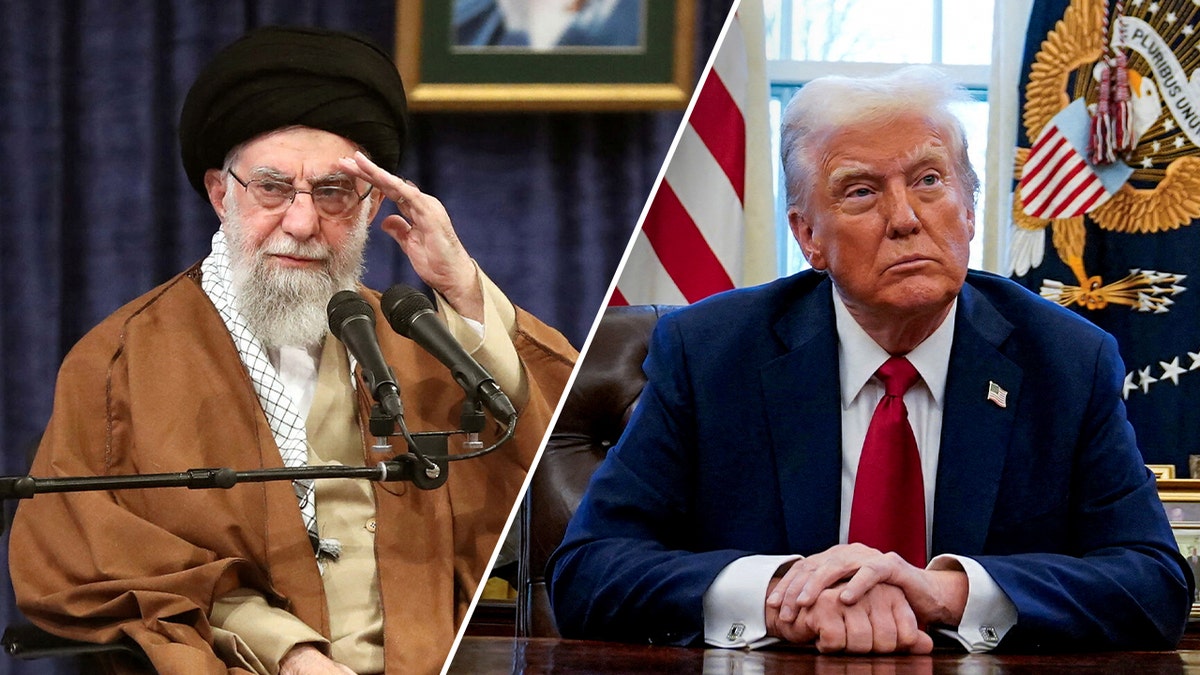
In Tehran, state media framed the suspension as a victory for resistance diplomacy.
A commentary in the Tasnim News Agency argued that Iran’s strategic patience
had forced the U.S. to the negotiating table. However, Iranian street protests—unrelated to the diplomatic overtures—have intensified, with demonstrators chanting against both the government and U.S. influence, complicating domestic perceptions of any concessions.
Economically, the pause offers a brief reprieve. Oil prices, which had spiked on strike fears, dipped slightly on Tuesday, though analysts expect volatility to return if tensions flare up again.
The Bigger Picture: A Fragile Ceasefire?
This episode underscores the precarious balance in the Middle East, where proxy wars, sanctions, and great-power rivalry collide. The GCC’s role as mediator reflects its evolving strategy to manage Iran without direct confrontation—a gamble that could backfire if Iran perceives weakness.
For Trump, the move may be a calculated effort to position himself as a diplomat
rather than a warmonger ahead of the 2028 election. Yet his track record suggests that any diplomatic breakthrough would hinge on Iranian actions, not U.S. goodwill. The question now is whether this positive development
is a stepping stone or a temporary lull before the next escalation.
One thing is clear: the region remains on edge. The suspension of the strike buys time, but the clock is ticking.
