
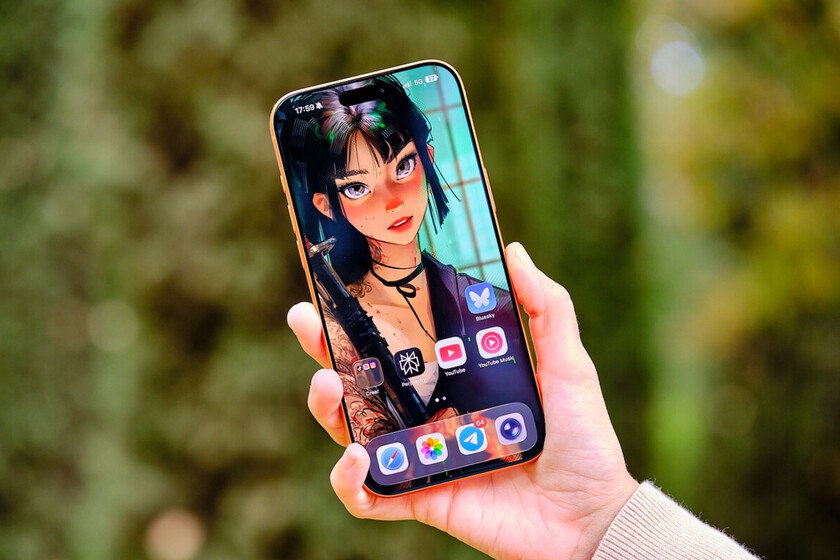
Apple is addressing a common smartphone frustration wiht the iPhone 17 lineup: screen glare. The latest models include a standard anti-reflective display, a feature previously found in high-end devices from other manufacturers, and one that promises improved usability in shining conditions.While Apple has notably refrained from giving the coating a unique branded name, testing indicates a significant improvement in outdoor viewing experience across the entire iPhone 17 range .
Apple’s latest iPhone 17 lineup includes refinements to design and camera technology, but one improvement has flown somewhat under the radar: a new anti-reflective display. The addition, already confirmed by specifications, addresses a common pain point for smartphone users and signals a growing focus on usability in premium devices.
The anti-reflective screen, previously seen in high-end phones from manufacturers like Samsung, minimizes glare without sacrificing image quality. While seemingly subtle, the impact is most noticeable in bright, outdoor conditions. It’s a welcome addition, to say the least.
A Benefit When Using Your Phone Outdoors
Apple is known for its distinctive branding of features – like “ProMotion” for 120Hz panels or “Ceramic Shield” for Corning Gorilla Glass – so it was surprising that the company didn’t give its anti-reflective display a special name. However, Apple’s specifications confirm the inclusion of an “anti-reflective coating.”
Notably, the anti-reflective coating is standard across the entire iPhone 17 range, from the base iPhone Air to the iPhone 17 Pro and 17 Pro Max. Initial rumors suggested the feature would be limited to the higher-end models.
After three months of testing on an iPhone 17 Pro Max, the anti-reflective display has significantly improved the outdoor viewing experience. The difference compared to previous generations is substantial.
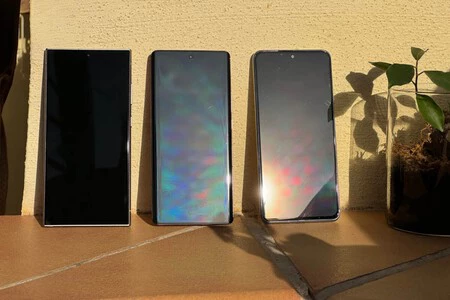
The Samsung Galaxy S25 Ultra (left) was one of the first to incorporate an anti-reflective panel, and Apple’s adoption is a welcome step.
The coating effectively softens reflections without compromising image quality or color accuracy. Previously, direct sunlight made it difficult to view the screen, often requiring users to shield the display with their hand or seek shade. This is a common issue that the new coating effectively addresses.
The display also boasts a peak brightness of up to 3,000 nits, a feature carried over from previous generations. While this brightness is only achieved in specific HDR content and for limited durations, it contributes to overall visibility. Even at standard brightness levels of 1,000 to 1,600 nits, the screen remains easily viewable.
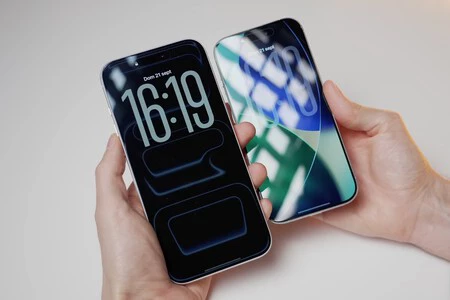
The difference is also noticeable indoors between the iPhone 17 Pro Max (left) and the iPhone 16 Pro (right).
The improvement extends to indoor use as well. While less critical in controlled lighting, the anti-reflective coating still makes a difference. Recent changes to office lighting, with brighter and cooler bulbs, created more glare on the iPhone’s screen. The new coating effectively reduces this glare and improves visibility.
Image courtesy | Alejandro Alcolea for Xataka
In Applesfera | New Apple iPhone Foldable – Everything We Believe We Know About It
In Applesfera | How Much Battery Does the iPhone Have: Models and mAh Capacity for Each One
