
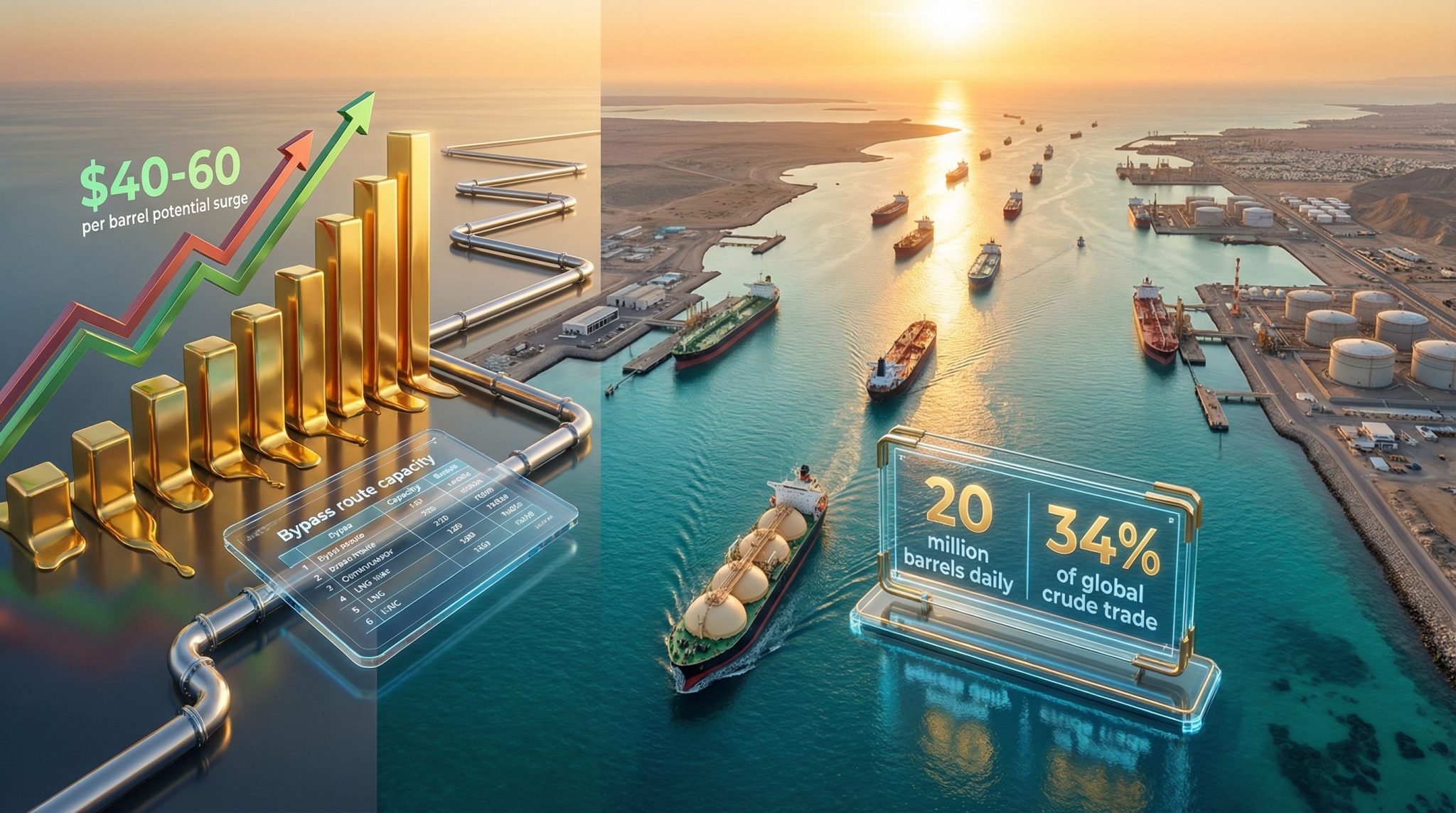
Iran reopened the Strait of Hormuz to full commercial shipping on Friday, April 18, 2026, following the implementation of a ceasefire in Lebanon, according to Iranian Foreign Minister Abbas Araghchi. The move, announced via social media, allows all commercial vessels to transit the waterway along the pre-declared route established by Iran’s Ports and Maritime Organization for the duration of the ceasefire. Araghchi did not specify whether the referenced ceasefire pertains to the U.S.-Iran agreement set to expire on April 21 or the Israel-Lebanon truce that began at midnight on Friday and is set to last ten days until April 25. The reopening triggered an immediate reaction in global energy markets, with crude oil prices declining sharply, as reported by Al Jazeera. The Strait of Hormuz remains a critical artery for international trade, through which approximately one-fifth of the world’s oil and liquefied natural gas shipments typically pass. Iran’s renewed control over maritime traffic in the strait comes amid broader shifts in regional shipping patterns. Data from the analytics firm Kepler, cited by Euronews Arabic, showed that Iran led all nations in export volume through the Strait of Hormuz in March 2026, whereas shipments from traditional Gulf exporters — Saudi Arabia, the United Arab Emirates, Iraq, and Qatar — fell by more than 96 percent compared to their yearly averages. Analysts attributed the shift to tightened Iranian enforcement following joint U.S.-Israeli military strikes on Iranian targets on February 28, 2026. An investigative report by Arab Post published on March 18, 2026, detailed how Iran has selectively permitted certain vessels to transit the strait safely since the start of the conflict on February 28. The report identified three categories of ships allowed unimpeded passage: Iranian-flagged vessels, tankers linked to Iran’s so-called “shadow fleet” used for oil exports, and commercial ships from countries maintaining coordination channels with Tehran that guarantee safe passage. Meanwhile, additional restrictions persist. According to Sky News Arabia, Iranian authorities have informed intermediaries that vessel movement through the strait remains subject to limitations, even amid the ceasefire. The outlet reported that Tehran continues to impose fees on transiting ships during the truce period, a claim echoed by Egypt’s Al Youm Al Saba newspaper on April 18, which stated that Iran plans to maintain toll collection on commercial vessels for the remainder of the ceasefire. The developments underscore the strait’s ongoing strategic significance, where military actions, diplomatic agreements, and economic pressures intersect to shape global energy flows. Any alteration in access or transit costs continues to reverberate across international markets, particularly given the strait’s role in supplying energy to Asia, Europe, and beyond.
Iran and the Strait of Hormuz: Shipping and Energy Security
8
