
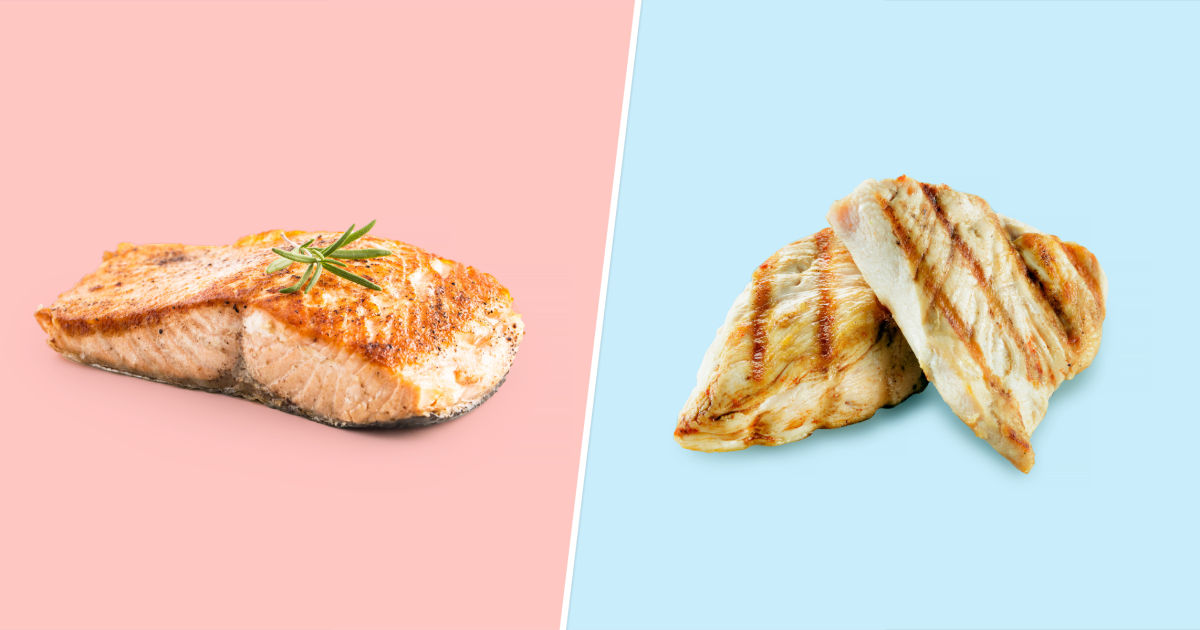
Struggling to decide between salmon vs. chicken for your next protein boost? Both are nutritional powerhouses, but understanding their key differences can help you optimize your diet. Dive into this thorough guide as we explore the protein content, fat profiles, and future trends to help you make the best choice for your health goals when it comes to salmon and chicken.
Salmon vs. Chicken: Decoding the Nutritional Showdown
Table of Contents
when it comes too building a healthy diet, protein-packed foods like salmon and chicken often take center stage. Both offer a wealth of benefits,but understanding their unique nutritional profiles can definitely help you make informed choices. Let’s dive into the details and explore the potential future trends in how we consume these staples.
Protein Power: A Head-to-Head Comparison
Both salmon and chicken are excellent sources of protein, essential for building and repairing tissues, supporting muscle growth, and keeping you feeling full. A 3-ounce serving of cooked chicken breast typically provides around 25 grams of protein, while the same serving of salmon offers approximately 23 grams. Dark meat chicken and chicken thighs also pack a protein punch, though with a slightly higher fat content.
Pro tip: Aim for 20-40 grams of protein per meal to optimize your intake throughout the day.This helps with muscle maintenance and can aid in weight management.
The Fat Factor: Good Fats vs. Not-So-Good Fats
The primary difference between salmon and chicken lies in their fat content. Chicken breast is notably lean, with only about 3 grams of fat per 3-ounce serving. Salmon, on the other hand, contains around 5 grams of fat in a similar serving size. Though, the type of fat is crucial.
Salmon is rich in unsaturated fats, particularly omega-3 fatty acids like EPA and DHA. These “good fats” are linked to numerous health benefits, including improved heart health and brain function. DHA, in particular, is a key nutrient for brain health and may help reduce cognitive decline. Chicken thighs contain more fat than chicken breast, and a portion of that fat is saturated.
Did you know? the Dietary Guidelines for Americans recommend consuming at least 8 ounces of seafood per week, highlighting the importance of incorporating omega-3-rich foods like salmon into your diet.
Beyond Protein and Fat: Vitamins and minerals
Both salmon and chicken offer a range of essential vitamins and minerals. Salmon is a good source of vitamin D, which is crucial for bone health and immune function, and vitamin B12, vital for nerve function and red blood cell formation. Chicken provides iron, phosphorus, zinc, vitamin B12, and choline, which supports brain development and memory.
Future Trends in Protein Consumption
sustainable Sourcing
As consumers become more conscious of environmental impact, the demand for sustainably sourced salmon and chicken is on the rise. Look for certifications like the Marine Stewardship Council (MSC) for salmon and labels indicating responsible farming practices for chicken. This trend is likely to continue, with increased transparency in the supply chain.
Personalized Nutrition
Advances in technology and a deeper understanding of individual nutritional needs are paving the way for personalized dietary recommendations. Genetic testing and wearable devices can definitely help tailor protein intake and food choices based on individual health goals and preferences.This could lead to more targeted advice on weather salmon or chicken is the better choice for you.
Plant-Based Alternatives
While this article focuses on animal proteins, the rise of plant-based alternatives is undeniable.The development of plant-based “chicken” and “salmon” products is rapidly evolving, offering consumers more choices. These alternatives are often designed to mimic the taste and texture of their animal counterparts, providing a protein source for those seeking to reduce their meat consumption.
Innovative Cooking Methods
The way we cook our food can significantly impact its nutritional value. Expect to see more emphasis on cooking methods that preserve nutrients and minimize added fats. Techniques like air frying, grilling, and sous vide are gaining popularity for their ability to deliver flavorful and healthy meals.
Frequently Asked Questions
Is salmon or chicken better for weight loss?
Chicken breast is generally the leaner option,making it a good choice for those focused on calorie control. However, the healthy fats in salmon can contribute to satiety, which may also aid in weight management.
Which is better for heart health?
Salmon, due to its high omega-3 content, is considered beneficial for heart health. However, both can be part of a heart-healthy diet.
Can I eat both salmon and chicken?
Absolutely! Variety is key to a balanced diet.Incorporating both salmon and chicken into your meal plan ensures you get a wide range of nutrients.
Conclusion
Both salmon and chicken are valuable additions to a healthy diet. The best choice for you depends on your individual health goals and preferences. Consider the protein content, fat profile, and other nutrients to make informed decisions. As the food landscape evolves, staying informed about trends like sustainable sourcing and personalized nutrition will help you make the most of these protein-rich options.
What are your favorite ways to prepare salmon and chicken? Share your recipes and tips in the comments below!
