
Israeli and Lebanese officials are set to resume negotiations in Washington this week amid ongoing violence along the border, as both sides report continued attacks despite a fragile ceasefire agreement.
The second round of direct talks between Israel and Lebanon since 1993 is scheduled for Thursday at the U.S. State Department, where Israeli Ambassador Yechiel Leiter and Lebanese Ambassador Nada Hamadeh Moawad will meet with Secretary of State Marco Rubio.
Lebanese President Joseph Aoun said the goal of the negotiations is to “stop hostilities, end the Israeli occupation of southern regions and deploy the Lebanese army all the way to the internationally recognized southern borders.” He emphasized that Lebanon is no longer a pawn in regional conflicts and will not allow itself to become a battleground for external powers.
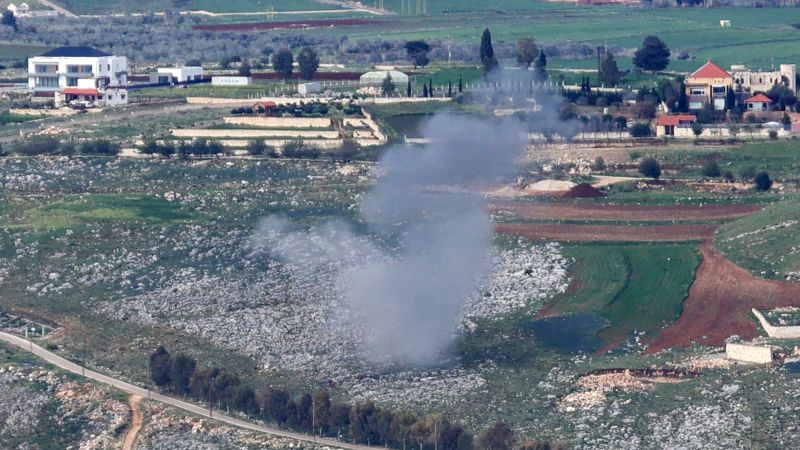
The discussions come as cross-border fire persists. On Saturday, two rockets and a drone were launched from southern Lebanon into northern Israel, triggering air raid sirens in several communities. The Israeli military intercepted the drone and one rocket, while the second struck an open area without causing injuries. In response, the Israel Defense Forces conducted strikes in southern Lebanon, reporting that it killed several Hezbollah operatives, including three militants traveling in a weapon-laden pickup truck near the village of Khiam.
The Israeli military also said it intercepted a suspicious aerial target over southern Lebanon, suspected to be another Hezbollah drone. Hezbollah launched multiple explosive-laden drones at Israeli troops stationed in the region, which exploded near positions but caused no casualties.
Israel’s military maintains that its actions are in response to Hezbollah violations of the ceasefire, stating that the group has “blatantly violated” the agreement through repeated rocket and drone launches. The IDF said it struck and killed several Hezbollah fighters during its operations in southern Lebanon.
Meanwhile, Lebanese officials reported Israeli airstrikes in southern Lebanon that resulted in six fatalities, though specific locations and timing of those strikes were not detailed in the latest reports.
The ongoing exchanges threaten to undermine U.S.-backed efforts to stabilize the region and revive diplomatic engagement between two nations that have not held direct talks in over three decades. Analysts warn that any collapse of the ceasefire could reignite broader conflict involving Iran-backed factions and further destabilize Lebanon’s already fragile political landscape.
