
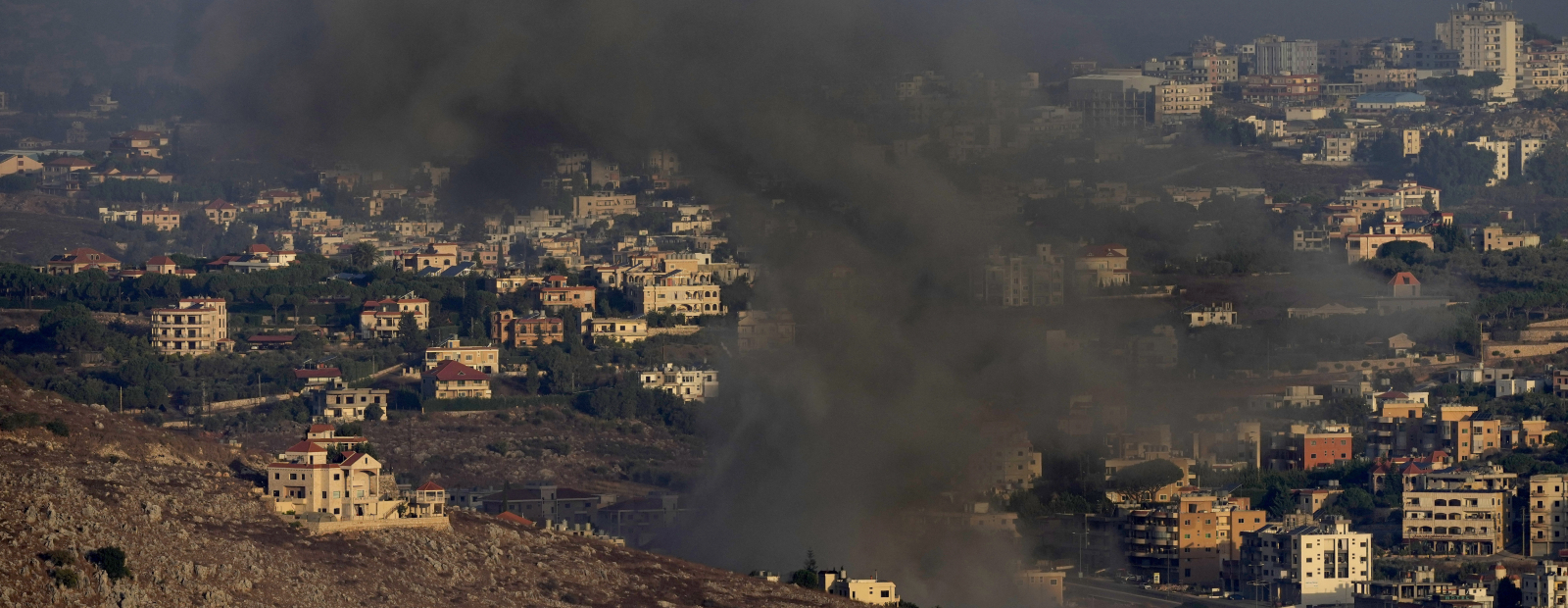
BEIRUT — A fragile truce between Israel and Lebanon has been extended by three weeks, U.S. Officials confirmed Tuesday, offering a temporary reprieve in a conflict that has repeatedly threatened to spiral into wider regional violence. The announcement comes as diplomatic efforts intensify amid rising tensions between Israel and Hezbollah, the Iran-backed militant group that dominates southern Lebanon.
The extension, disclosed by former President Donald Trump in a statement, marks the second time the ceasefire has been prolonged since it was first brokered earlier this month. While the agreement has reduced cross-border exchanges of fire, it has done little to address the underlying tensions that have kept the two sides on edge for months.
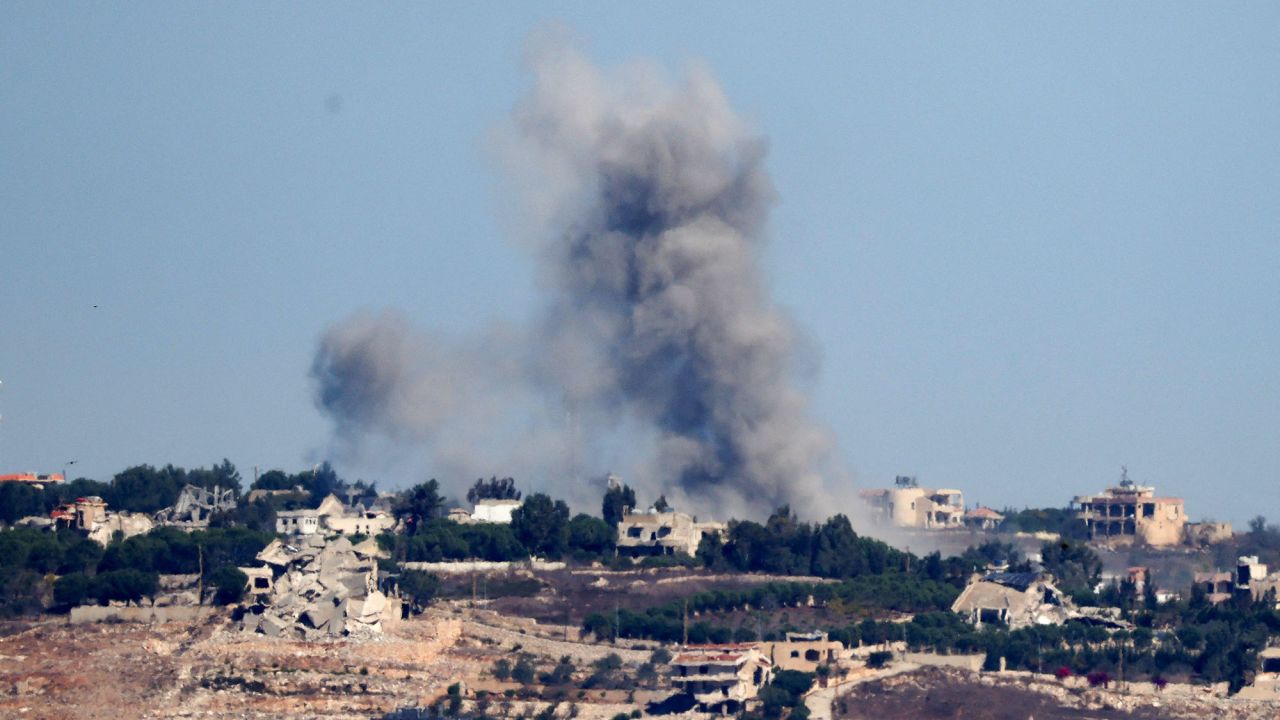
Just hours before the truce’s renewal was announced, Israeli airstrikes in southern Lebanon killed four people, according to local reports. The strikes targeted areas near the border, where Hezbollah maintains a strong presence. Israeli officials have not commented on the casualties but have previously stated that military actions are aimed at degrading Hezbollah’s capabilities.
The latest violence underscores the precarious nature of the ceasefire, which has been repeatedly tested by sporadic clashes. Analysts warn that the extension, while welcome, does little to resolve the deeper disputes between the two sides, including Hezbollah’s demand for an end to what it calls Israeli “occupation” of Lebanese territory.
Diplomatic Efforts Face Resistance
Lebanese President Michel Aoun has framed the ceasefire as a step toward ending “hostilities and occupation,” a reference to Israel’s long-standing control over parts of the disputed Shebaa Farms area. In a statement, Aoun emphasized that any lasting peace would require Israel to withdraw from the territory, a demand that has been a key sticking point in past negotiations.
Yet even as diplomatic channels remain open, Hezbollah has made clear its opposition to direct talks with Israel. In a fiery address Monday, the group’s deputy leader, Naim Qassem, dismissed the prospect of negotiations as a “grave sin” that would destabilize Lebanon. “We categorically reject direct talks with Israel,” Qassem declared, adding that the group would continue its “resistance” in defense of Lebanon’s sovereignty.
“These direct talks and their outcomes are as if they do not exist and they do not concern us in the slightest. We will continue our defensive resistance for the sake of Lebanon and its people.”
Qassem’s remarks reflect Hezbollah’s long-standing position that any engagement with Israel—even indirect—legitimizes what the group views as an illegitimate state. The stance complicates efforts by Lebanon’s government to pursue a diplomatic resolution, particularly as Hezbollah’s influence in the country remains strong.
A Fragile Balance
The truce extension arrives at a critical juncture, with regional powers closely monitoring developments. The U.S. And Iran, both key players in the broader Middle East power struggle, have their own competing interests in the outcome. While Washington has pushed for de-escalation, Tehran has continued to support Hezbollah, viewing the group as a vital ally in its proxy conflicts with Israel.
For now, the ceasefire holds, but few expect it to last indefinitely. Hezbollah’s refusal to disarm, coupled with Israel’s insistence on security guarantees, leaves little room for compromise. The latest extension buys time—but not solutions.
The stakes extend beyond Lebanon’s borders. A full-scale conflict between Israel and Hezbollah could draw in Iran, Syria, and other regional actors, risking a broader conflagration. For civilians on both sides of the border, the temporary calm offers a brief respite—but the underlying tensions remain unresolved.
The coming weeks will test whether diplomacy can prevail over the cycle of violence that has defined the Israel-Lebanon border for decades. For now, the ceasefire endures—but so does the uncertainty.
