

Samsung’s Leaked Galaxy Glasses: Why the Company Chose a “Non-Futuristic” Design
Samsung is quietly preparing to enter the augmented reality (AR) glasses market with its upcoming Galaxy Glasses, a device that has already sparked debate over its deliberately understated design. According to leaked details, the tech giant has opted for a “non-futuristic” aesthetic—one that prioritizes everyday wearability over the flashy, sci-fi-inspired looks of competitors like Apple’s Vision Pro or Meta’s Ray-Ban smart glasses.
The decision reflects Samsung’s broader strategy in the Android XR (extended reality) space, where the company appears to be betting on mass-market adoption rather than niche, high-end experimentation. Early renders and internal documents suggest the Galaxy Glasses will resemble conventional eyewear, with slim frames and a focus on practical features like real-time translation, notifications, and hands-free navigation—rather than immersive virtual environments.
Design Choices: Function Over Flash
Unlike the bulky, headset-like designs of some AR and VR competitors, Samsung’s Galaxy Glasses are said to prioritize a sleek, lightweight form factor. Sources familiar with the project describe the device as “minimalist” and “unobtrusive,” with a design that blends seamlessly into daily life. This approach aligns with Samsung’s long-standing emphasis on accessibility, particularly in markets where wearable tech is still gaining traction.
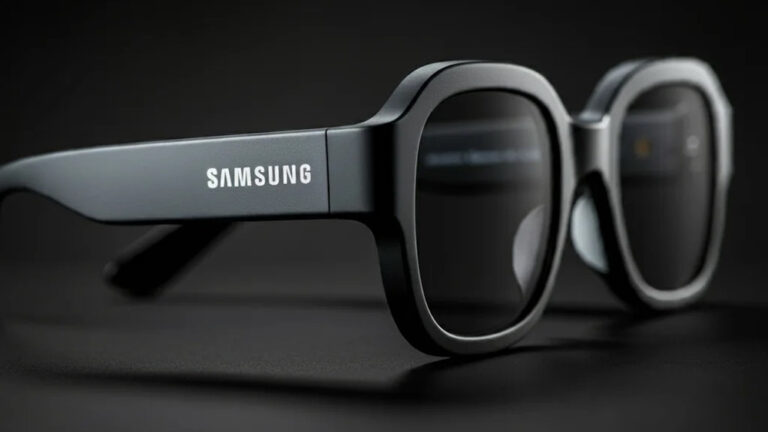
The leaked images display a pair of glasses with thin, rounded lenses and a subtle hinge mechanism—far removed from the chunky, goggle-like aesthetics of other XR devices. Analysts suggest this could be a deliberate move to avoid alienating consumers who may be intimidated by more futuristic designs. “Samsung isn’t trying to sell a concept of the future,” one industry insider noted. “They’re trying to sell a product people will actually wear every day.”
Android XR Strategy: A Different Approach
Samsung’s foray into AR glasses comes as the broader tech industry grapples with the challenges of making XR mainstream. While companies like Apple and Meta have leaned into high-end, immersive experiences, Samsung’s strategy appears to focus on incremental integration with its existing ecosystem—particularly its Galaxy smartphones and tablets.
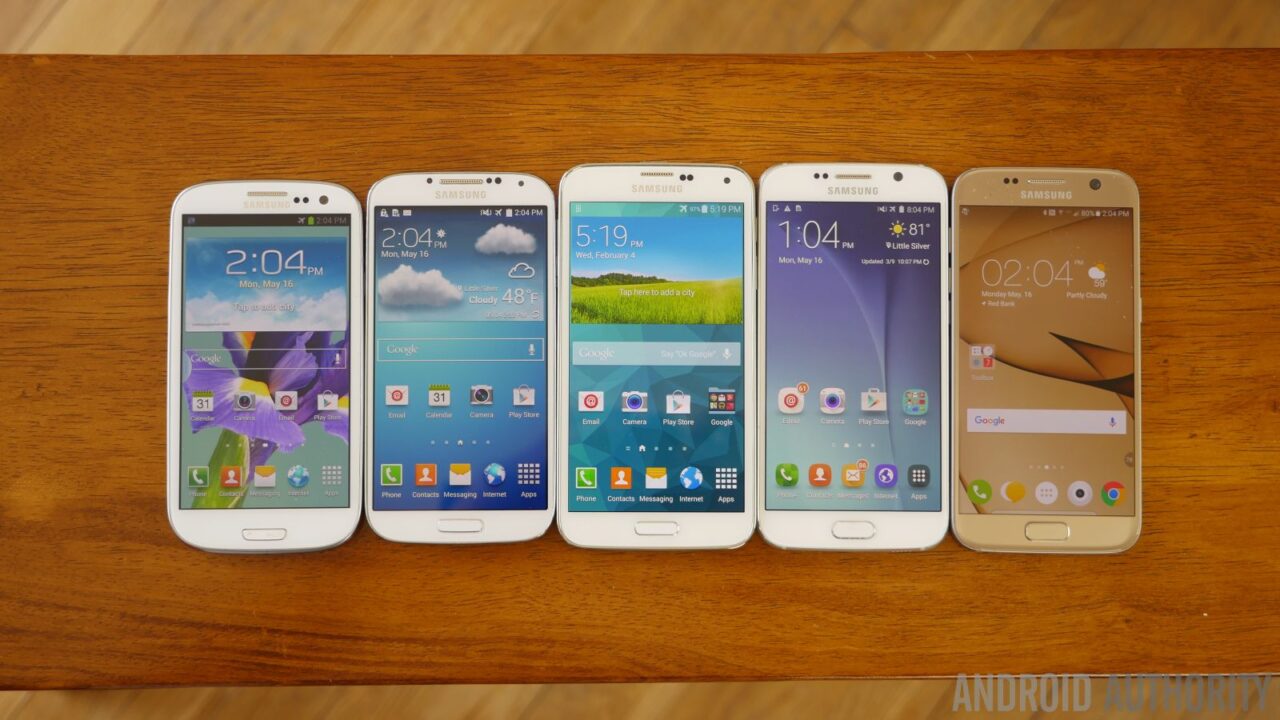
The Galaxy Glasses are expected to sync with Samsung’s One UI 7 software, which debuted earlier this year with AI-powered features like real-time language translation and contextual notifications. This suggests the glasses could serve as a secondary display for calls, messages, and navigation, rather than a standalone computing device. “It’s about enhancing the smartphone experience, not replacing it,” said a source with knowledge of Samsung’s roadmap.
This approach mirrors Samsung’s broader philosophy in the wearables market, where devices like the Galaxy Watch and Galaxy Buds are designed to complement, rather than compete with, the company’s flagship smartphones. By positioning the Galaxy Glasses as an extension of its mobile ecosystem, Samsung may be aiming to avoid the pitfalls of early AR adopters—many of whom struggled to justify the high cost and limited utility of first-generation devices.
Market Timing and Competition
The timing of Samsung’s entry into the AR glasses market is notable. With Apple’s Vision Pro generating buzz (and criticism) for its $3,500 price tag, and Meta’s Ray-Ban Meta smart glasses gaining traction as a more affordable alternative, Samsung’s offering could carve out a middle ground. Early reports suggest the Galaxy Glasses will be priced competitively, though exact figures remain unconfirmed.
Industry observers speculate that Samsung’s decision to avoid a “futuristic” design could be a response to consumer feedback on existing XR devices. Many users have reported discomfort with bulky headsets or the social awkwardness of wearing overtly tech-heavy eyewear. By opting for a more conventional look, Samsung may be betting that subtlety will win over consumers who desire AR functionality without the stigma of looking like they’re wearing a gadget from a sci-fi movie.
“The biggest challenge in AR isn’t the technology—it’s making people feel comfortable wearing it in public.”
— Tech industry analyst (unnamed source)
What’s Next for Samsung’s XR Ambitions?
While Samsung has not officially confirmed the Galaxy Glasses, the leaks suggest a launch could be imminent—possibly as early as the second half of 2026. The company has a history of teasing new product categories well in advance, as it did with the Galaxy Z Fold and Galaxy Watch, both of which were the subject of extensive leaks before their official debuts.
If the Galaxy Glasses follow Samsung’s typical rollout strategy, You can expect a gradual expansion of features and compatibility with other Galaxy devices. The company has already laid the groundwork with One UI 7, which includes AI-driven tools that could seamlessly integrate with AR glasses, such as real-time object recognition and contextual notifications.
For now, Samsung’s approach to XR appears to be one of cautious optimism—balancing innovation with practicality. Whether this strategy will pay off remains to be seen, but the leaks suggest the company is betting on a different kind of future: one where technology enhances daily life without demanding a radical shift in how we interact with the world.
As the AR market continues to evolve, Samsung’s Galaxy Glasses could represent a pivotal moment in the industry’s shift from niche experimentation to mainstream adoption. If the leaks are accurate, the company’s focus on simplicity and integration may just be the formula needed to bring augmented reality into the everyday lives of millions.
