
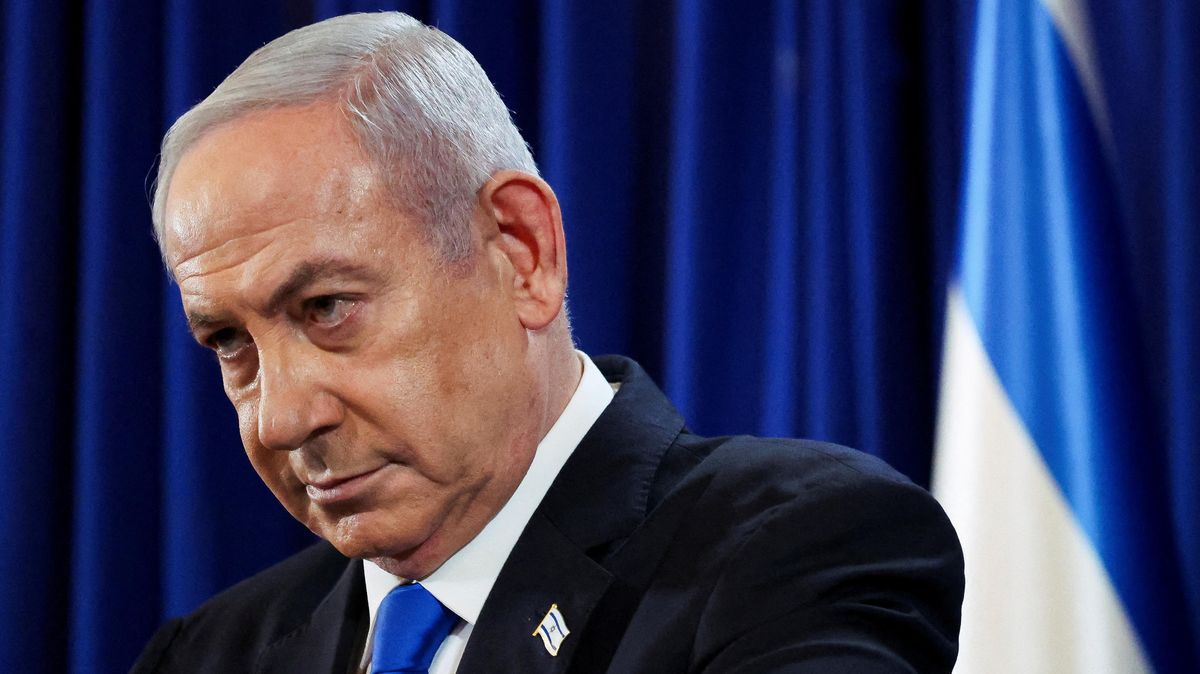
Israeli Prime Minister Benjamin Netanyahu ordered military strikes against Hezbollah targets, marking a significant escalation in tensions along the Israel-Lebanon border. The directive came amid renewed hostilities between Israeli forces and the Lebanese militant group, with multiple waves of attacks reported in recent days.
The Israeli military has also instructed the evacuation of additional areas in southern Lebanon, signaling an expansion of operational zones as part of its ongoing campaign against Hezbollah infrastructure. These measures follow a pattern of intermittent ceasefires that have failed to produce lasting stability in the region.
According to reports, the current situation reflects broader challenges in Middle Eastern diplomacy, where efforts to de-escalate conflicts have repeatedly stalled despite international involvement. Analysts note that the complexity of the situation extends beyond bilateral tensions, involving regional actors and strategic calculations that complicate peace initiatives.
The developments underscore the fragility of ceasefire agreements in the region and highlight the persistent volatility that continues to affect civilian populations on both sides of the border. As military activities intensify, concerns grow over the humanitarian impact and the potential for further escalation.
